If you have ever browsed the skincare aisle looking for the secret to a glowing complexion, you might be surprised to find that one of the most potent ingredients could already be sitting in your vegetable rack.
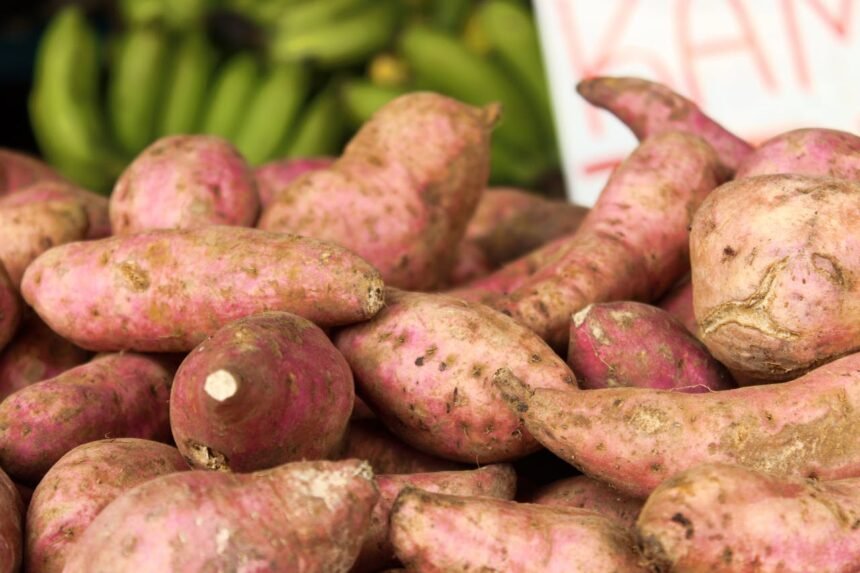
The humble sweet potato (Ipomoea batatas) is a staple food across the globe, cherished for its comforting sweetness and versatility in the kitchen. However, beyond its culinary appeal, this vibrant tuber is gaining a reputation in the wellness community as a beauty superfood. Packed with essential vitamins, minerals, and powerful antioxidants, sweet potatoes offer a unique nutritional profile that may significantly impact your skin’s health from the inside out.
While topical creams and serums have their place, the concept of “beauty from within” suggests that what we eat plays a pivotal role in how our skin looks and feels. Sweet potato skin benefits range from combating premature ageing to potentially protecting against sun damage, thanks largely to their high concentration of beta-carotene and Vitamin C.
In this article, we will explore the science behind sweet potatoes and skincare, analysing how their nutrients interact with your biology to promote a natural, healthy radiance.
The Nutritional Profile: Why Your Skin Loves Sweet Potatoes
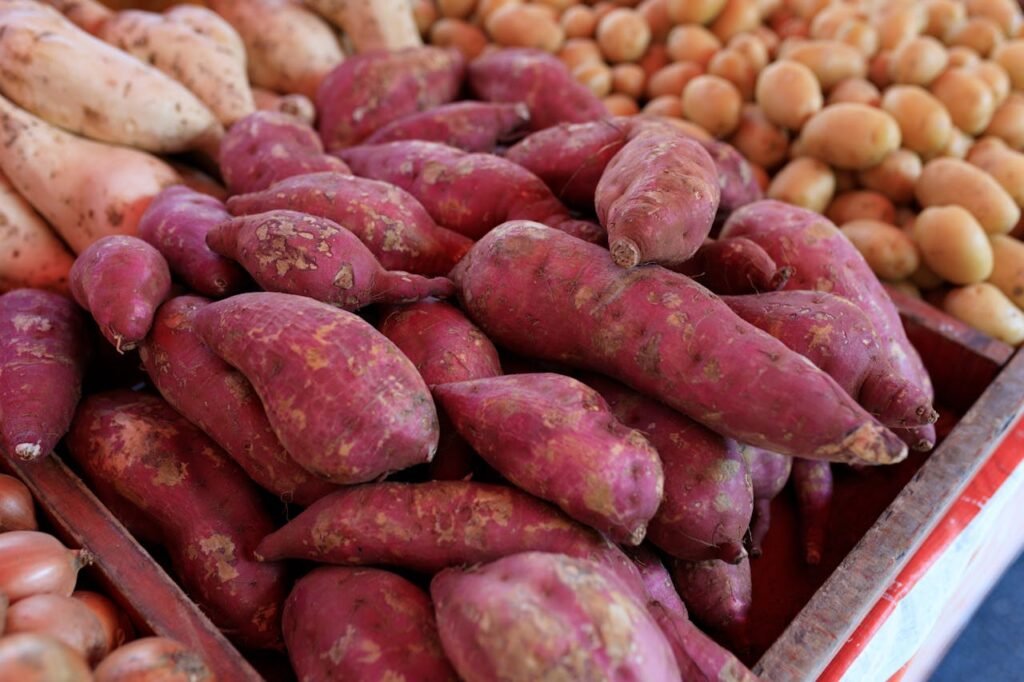
To understand why sweet potatoes are championed for skin health, we must first look at what is inside them. Unlike regular white potatoes, sweet potatoes—particularly the orange and purple varieties—are dense with specific micronutrients that are critical for dermatology.
Here is a breakdown of the key skin-loving nutrients found in a standard medium-sized baked sweet potato:
| Nutrient | Primary Function for Skin |
|---|---|
| Beta-Carotene | Converts to Vitamin A; aids cell turnover and UV defence. |
| Vitamin C | Essential for collagen synthesis and wound healing. |
| Vitamin E | An antioxidant that protects cell membranes from oxidative stress. |
| Anthocyanins | Found in purple varieties; fights inflammation and free radicals. |
| Dietary Fibre | Promotes gut health, which is linked to clearer skin via the gut-skin axis. |
This distinct combination of nutrients works synergistically. While you could take supplements, whole foods like sweet potatoes contain co-factors that help your body absorb and utilise these vitamins more effectively.
The Role of Beta-Carotene and Vitamin A
Perhaps the most significant contribution of the sweet potato to skincare is its massive content of beta-carotene. This is the pigment that gives the vegetable its characteristic bright orange hue.
Once ingested, your body converts beta-carotene into Vitamin A (retinol). If you are familiar with skincare ingredients, you likely know that retinol is considered the “gold standard” for anti-ageing. According to the National Institutes of Health (NIH), Vitamin A is essential for the maintenance of epithelial tissues, including the skin.
Cell Turnover and Renewal
Vitamin A promotes the production of new skin cells. This turnover process is vital because it helps shed old, dead skin cells that can clog pores and make the complexion look dull. By encouraging the growth of healthy new cells, the vitamin A derived from sweet potatoes can lead to a smoother, softer skin texture.
Natural UV Protection
Interestingly, dietary beta-carotene may act as a mild, internal sunscreen. Research suggests that consuming foods rich in carotenoids can increase the skin’s defence against UV radiation. While this does not replace the need for topical sunscreen (SPF), it adds an extra layer of resilience against sunburn and long-term sun damage.
Vitamin C and Collagen Production
While oranges often get all the credit, sweet potatoes are also an excellent source of Vitamin C. This water-soluble vitamin is not just for boosting immunity; it is structurally necessary for the formation of collagen.
Collagen is the most abundant protein in the body, responsible for the skin’s elasticity and firmness. As we age, natural collagen production declines, leading to sagging skin and the formation of fine lines.
The NHS highlights that Vitamin C protects cells and maintains healthy skin. Without adequate Vitamin C, the body cannot cross-link collagen fibres effectively, resulting in weaker skin structure. A regular intake of sweet potatoes ensures your body has the raw materials needed to keep your skin firm and plump.
Combating Inflammation and Free Radicals
Oxidative stress is one of the primary drivers of premature ageing. This occurs when free radicals—unstable molecules caused by pollution, stress, and UV rays—attack healthy skin cells.
The Power of Antioxidants
Sweet potatoes are loaded with antioxidants that neutralise these free radicals.
- Orange varieties are rich in carotenoids.
- Purple varieties are rich in anthocyanins.
Anthocyanins are particularly potent. A study published regarding plant-based antioxidants indicates that these compounds have strong anti-inflammatory properties. Reducing systemic inflammation can help calm skin conditions such as acne, eczema, and psoriasis, leading to a clearer and more even complexion.
The “Sweet Potato Glow”: Fact or Fiction?
Can eating sweet potatoes actually change the colour of your skin? Surprisingly, yes—but in a good way.
Consuming high levels of carotenoids can lead to a condition called carotenemia. While this sounds alarming, it is generally harmless. In moderation, it manifests as a warm, golden glow to the skin, often described as a “natural tan.”
According to research cited by Healthline, this carotenoid colouration is often perceived as a sign of health and vitality. Unlike a sun tan, which is actually a sign of skin damage, a carotenoid glow is a sign that your body is saturated with protective antioxidants.
Practical Tips: How to Maximise Skin Benefits
To truly reap the sweet potato skin benefits, how you prepare and eat them matters. The bioavailability of nutrients can change drastically based on cooking methods.
1. Always Pair with Fat
Beta-carotene and Vitamin E are fat-soluble nutrients. This means your body cannot absorb them efficiently unless they are consumed with dietary fat.
- Tip: Drizzle your roasted sweet potatoes with olive oil, serve them with avocado, or mash them with a bit of butter or coconut oil. This ensures that the Vitamin A precursors actually make it into your bloodstream.
2. Keep the Skin On
Much of the fibre and a good portion of the antioxidants are located in or just beneath the peel. Scrub the sweet potatoes well and roast them whole or cut into wedges with the skin intact to maximise nutrient density.
3. Boiling vs. Roasting
While roasting caramelises the sugars for a delicious taste, boiling sweet potatoes may actually retain more of their beta-carotene and lower their glycaemic index. However, roasting is still a healthy option provided you don’t char them, which can create harmful compounds.
4. Topical Application?
Some DIY skincare enthusiasts recommend using boiled, mashed sweet potato as a face mask. While anecdotal evidence suggests it can be soothing and hydrating (thanks to the water and starch content), there is limited clinical evidence to support topical application over dietary consumption. For the most impact, it is best to eat them.
Sweet Potato Recipes for Radiant Skin
Incorporating this root vegetable into your diet doesn’t have to be boring. Here are three simple ways to get your dose of skin-loving vitamins:
The Glow Smoothie:
- 1/2 cup cooked, chilled sweet potato flesh
- 1/2 frozen banana
- 1 cup almond milk
- 1 tsp cinnamon
- 1 tbsp flaxseeds (for Omega-3s)
Stuffed “Beauty” Potato:
- Bake a sweet potato whole.
- Slice open and stuff with sautéed spinach (more Vitamin C), chickpeas (zinc), and a tahini drizzle (healthy fats).
Purple Potato Salad:
- Cube and boil purple sweet potatoes.
- Toss with olive oil, lemon juice (Vitamin C helper), parsley, and walnuts.
Potential Side Effects and Considerations
While sweet potatoes are generally safe for everyone, there are a few considerations to keep in mind regarding your health.
Kidney Stones
Sweet potatoes contain oxalates. For individuals who are prone to forming calcium-oxalate kidney stones, consuming very high amounts of oxalate-rich foods might be a concern. If you have a history of kidney stones, consult the Mayo Clinic guidelines or speak to your GP about portion control.
Carotenemia
As mentioned, eating excessive amounts can turn your skin orange, particularly on the palms of the hands and soles of the feet. This is reversible and resolves once you reduce your intake.
Blood Sugar
Although they are lower on the Glycaemic Index (GI) than white potatoes, they are still carbohydrates. Boiling them keeps the GI lower compared to baking. Those managing diabetes should monitor their portion sizes, as advised by Diabetes UK.
Comparison: Sweet Potato vs. White Potato for Skin
| Feature | Sweet Potato | White Potato |
|---|---|---|
| Vitamin A | Extremely High | Negligible |
| Vitamin C | High | Moderate |
| Antioxidants | Very High | Low to Moderate |
| Glycaemic Index | Lower (generally) | High |
For skin health specifically, the sweet potato is the clear winner due to the Vitamin A content. High-glycaemic foods (like white potatoes or processed sugars) can spike insulin, which may trigger acne in some individuals, according to the American Academy of Dermatology.
The Bottom Line
Can sweet potatoes improve skin health and natural radiance? The nutritional evidence points to a resounding yes.
Rich in beta-carotene, Vitamin C, and anthocyanins, these tubers offer a comprehensive package of nutrients that support collagen production, protect against UV damage, and combat the oxidative stress that accelerates ageing. Whether you prefer the orange or purple varieties, adding sweet potatoes to your weekly meal rotation is a delicious, cost-effective strategy for enhancing your complexion.
Remember to consume them with a source of healthy fat to maximise absorption, and do not be afraid to experiment with different recipes. While no single food is a miracle cure for skin issues, the sweet potato is certainly one of nature’s most powerful tools for maintaining a healthy, vibrant glow.
For more information on building a diet for healthy skin, you can refer to resources from the British Nutrition Foundation or check the nutrient database at the USDA to see exact breakdowns of your favourite vegetables.