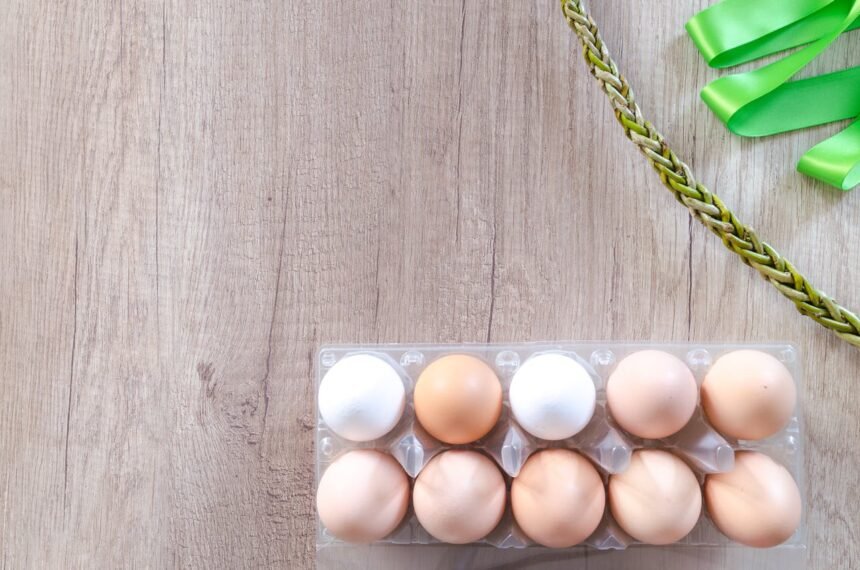
It is perhaps the most contentious debate in British kitchens, rivalling even the correct order of jam and cream on a scone.
Should you store eggs in the fridge, or do they belong in the cupboard?
If you walk into any major UK supermarket, you will notice eggs are stacked on unrefrigerated shelves, often near the baking supplies. However, many modern fridge manufacturers include a designated egg tray in the door, subtly suggesting that chilling them is the correct method.
This contradiction leaves many consumers confused. Are we risking food poisoning by keeping them at room temperature? Or are we ruining the flavour by chilling them?
Understanding the science behind egg safety and storage is crucial for protecting your household from illness while ensuring your breakfast tastes its best. This article explores the evidence, the official guidelines, and the best practices for handling eggs in the UK.
The Science: Why the Confusion Exists
To understand the storage debate, we must first look at the biological structure of an egg and the potential risks involved.
The Risk of Salmonella
The primary concern regarding egg storage is Salmonella, a type of bacteria that can cause food poisoning. Symptoms include diarrhoea, stomach cramps, and vomiting. While the UK has made massive strides in reducing Salmonella through vaccination programmes, the risk is never zero.
According to the NHS, storing foods at the correct temperature is vital to slow down the growth of harmful bacteria. Bacteria thrive in the “danger zone” between 8°C and 63°C.
The Cuticle (The Bloom)
Here is where the UK differs significantly from the USA. In America, eggs are washed and sanitised before they reach the consumer. This process removes the “cuticle” or “bloom”—a natural protective coating on the shell that prevents bacteria from entering the porous egg.
Because the cuticle is removed, US regulations require eggs to be refrigerated immediately to prevent bacterial growth. In the UK and Europe, EU regulations (retained in UK law) generally prohibit the washing of Class A eggs to preserve this natural barrier.
Temperature Fluctuations and Condensation
The European Food Safety Authority highlights that the main enemy of egg safety is not necessarily room temperature itself, but fluctuating temperatures.
If you take a cold egg out of a fridge and leave it in a warm kitchen, condensation (sweating) can form on the shell. This moisture provides a medium for bacteria to move through the porous shell and into the egg.
This is why supermarkets store eggs at room temperature. It prevents the condensation that would occur if you picked up a chilled box and then walked home or drove in a warm car.
Actionable Steps: How to Store Eggs Correctly
Despite supermarkets keeping them on shelves, the advice for domestic storage is quite different once you get the eggs home.
The Food Standards Agency (FSA)—the UK’s overarching body for food safety—recommends storing eggs in the fridge. This is the only way to keep them at a constant temperature below 20°C, significantly inhibiting bacterial growth.
However, simply throwing them in the fridge isn’t enough. Here is a detailed breakdown of best practices.
1. Ignore the Fridge Door
Most refrigerators come with a plastic egg insert moulded into the door. While convenient, this is statistically the worst place to keep your eggs.
The door is the warmest part of the fridge and is subject to the most temperature fluctuation. Every time you open the door to grab milk or juice, the temperature spikes. Keep your eggs on a middle shelf near the back, where the temperature remains constant and cool.
2. Keep Them in the Original Carton
It might be tempting to transfer eggs to a ceramic holder or a wire basket for aesthetic reasons, but the original carton is superior for several reasons:
- Protection: It cushions the eggs against breakage.
- Best Before Date: The date is stamped on the box, ensuring you don’t lose track of freshness.
- Odour Prevention: Eggshells are porous and can absorb strong odours from other foods like chopped onions or strong cheese. The carton acts as a barrier.
As noted in articles on Healthline, proper storage is essential for maintaining nutrient density and preventing contamination.
3. Look for the British Lion Mark
The British Lion Quality mark is a safety scheme introduced in 1998. It ensures that the hens have been vaccinated against Salmonella Enteritidis.
According to the British Egg Industry Council, more than 90% of UK eggs are now produced under this scheme. For vulnerable groups—such as the elderly, infants, or pregnant women—consuming raw or runny eggs is now considered safe, provided they bear the Lion Mark.
4. Preparation for Baking
While safety dictates fridge storage, culinary science suggests room temperature is best for cooking.
If you are baking a cake or making meringues, cold eggs can affect the outcome. Cold whites do not whisk up as voluminously as room-temperature whites, and adding cold eggs to creamed butter and sugar can cause the batter to curdle.
BBC Good Food recommends taking the eggs you intend to use out of the fridge about 30 minutes before cooking. This offers the best balance: long-term safety storage in the fridge, and optimal performance in the pan.
5. Managing Leftovers
If you have leftover egg whites or yolks, do not store them in the shell. Place them in an airtight container in the fridge.
- Whites: Can last up to 2 days.
- Yolks: dry out quickly; cover them with a little water or milk before sealing. They also last about 2 days.

Comparison: Fridge vs. Cupboard
To help you visualise the trade-offs, here is a comparison of the two storage methods based on data from the British Nutrition Foundation and other safety bodies.
| Feature | Fridge Storage (Recommended) | Cupboard Storage |
|---|---|---|
| Temperature Stability | High (if kept on shelf) | Low (fluctuates with central heating/weather) |
| Bacterial Growth | Significantly Inhibited | Possible in warm conditions (>20°C) |
| Shelf Life | Extended | Standard (up to Best Before date) |
| Condensation Risk | Risk if moved frequently to heat | Low |
| Cooking Performance | Poor (if used immediately cold) | Excellent |
| Odour Absorption | High risk (without carton) | Low risk |
Frequently Asked Questions
Can I freeze eggs?
Yes, but never in the shell. If an egg freezes in the shell, the contents expand and will crack the shell, introducing bacteria. You should whisk the egg and freeze the liquid in a sealed container. GOV.UK provides excellent general advice on food storage safety regulations which encompass freezing guidelines.
Should I wash my eggs before storing them?
No. Washing eggs can strip away the protective cuticle we mentioned earlier. This actually aids the transfer of harmful bacteria from the outside of the shell to the inside. If an egg is dirty, wipe it with a dry cloth or paper towel.
How can I tell if an egg has gone bad?
Use the water test. Place the egg in a bowl of cold water. Fresh eggs lie flat on the bottom. Older eggs tilt upwards. If the egg floats completely, it is likely stale and should be discarded. This is because the air pocket inside the egg grows larger as the egg ages.
Why are eggs not refrigerated in UK shops?
As mentioned, this is to prevent “sweating.” If supermarkets chilled eggs, the condensation formed during your journey home would compromise the shell’s defence mechanism. However, once you are home and the temperature is stable, the fridge is the safest place.
What are the symptoms of Salmonella?
If you consume contaminated eggs, symptoms typically appear within 6 hours to 6 days. The Mayo Clinic notes that while many people recover without treatment, severe dehydration can occur, requiring medical attention.
Are organic eggs safer to store at room temperature?
Not necessarily. Organic refers to the feed and living conditions of the hen. While organic standards are high, safety regarding Salmonella and storage temperature applies to all egg types equally. Consumer advocacy group Which? often highlights that safety procedures are standard across the industry regardless of the organic label.
The Bottom Line
The debate is settled by science: You should store your eggs in the fridge.
While supermarket shelves are ambient to prevent condensation during transport, your kitchen is likely too warm and fluctuates too much for safe, long-term storage. To maximise safety and freshness:
- Keep eggs in their original carton.
- Store them on the middle shelf, not the door.
- Look for the British Lion Mark.
- Bring them to room temperature 30 minutes before cooking for the best culinary results.
By following these simple steps, you prioritise the health of your household without sacrificing the quality of your meals.