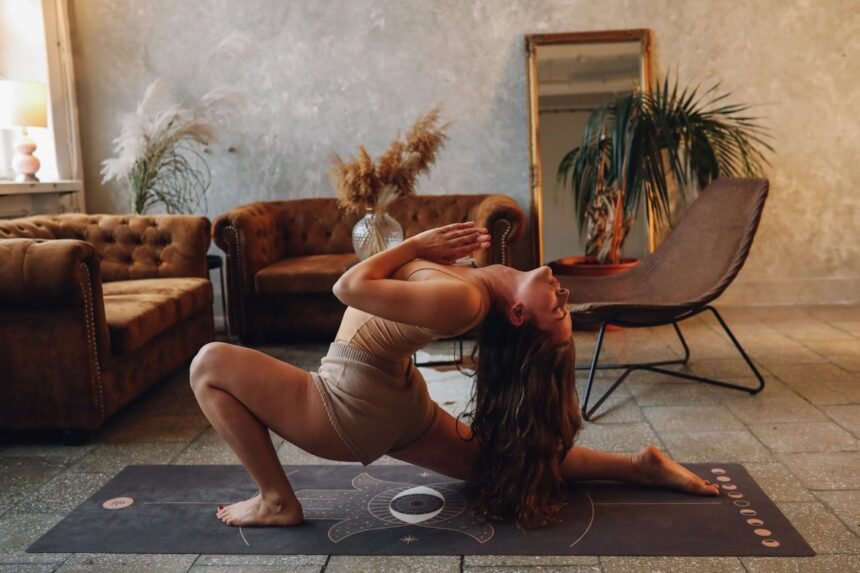
In the diverse world of wellness and physical fitness, few practices have garnered as much enthusiasm and widespread adoption as yoga. While there are many styles ranging from the stillness of Yin to the discipline of Iyengar, vinyasa yoga for beginners stands out as a dynamic, rhythm-based practice that captures the hearts of those seeking both physical challenge and mental clarity. Often described as “meditation in motion,” Vinyasa offers a bridge between athletic endurance and mindful breathing.
If you are looking to step onto the mat for the first time, or if you are transitioning from a slower style of yoga, understanding the mechanics, history, and benefits of Vinyasa is essential. This guide will walk you through the fluidity of this practice, ensuring you have the knowledge to flow with confidence.
What is Vinyasa Yoga?
The term “Vinyasa” is derived from the Sanskrit language. It is a compound word: Vi, meaning “in a special way,” and Nyasa, meaning “to place.” Therefore, Vinyasa essentially means to place the body in a special way. In a modern studio context, however, it refers to a style of yoga characterized by stringing postures together so that you move from one to another seamlessly, using breath as the primary anchor.
Unlike Hatha yoga, where you might rest between poses, Vinyasa keeps you moving. This style is often interchangeable with the term “Flow Yoga.” according to Yoga Journal, the variable nature of Vinyasa helps to develop a more balanced body as well as prevent repetitive motion injuries that can happen if you are always doing the same thing every day.
The Historical Roots of the Flow
To understand modern Vinyasa, we must look back at the lineage of yoga. While yoga itself is thousands of years old, the Vinyasa system is relatively modern. It traces its roots heavily to T. Krishnamacharya, often referred to as the father of modern yoga. His teachings influenced his students, most notably K. Pattabhi Jois, who popularized Ashtanga Yoga.
Ashtanga is a rigorous style with a set sequence of poses. Vinyasa Flow evolved as a “freestyle” version of Ashtanga. It took the physical dynamism and breath synchronization of Ashtanga but discarded the rigid, fixed series of postures. This evolution allowed teachers to be creative, sequencing classes to music, themes, or specific anatomical focuses.
Vinyasa vs. Hatha: Understanding the Difference
For a novice, the schedule at a local studio can be confusing. The two most common entry-level classes are Hatha and Vinyasa. While they share the same physical postures (asanas), the pace and goal differ significantly.
Comparison: Hatha vs. Vinyasa Styles
| Feature | Hatha Yoga | Vinyasa Yoga |
|---|---|---|
| Pace | Slow, deliberate, and gentle. | Fast-paced, fluid, and rhythmic. |
| Breath Connection | Breathing is emphasized but often static. | One breath, one movement synchronization. |
| Structure | Poses are held for several breaths; breaks are common. | Continuous movement; transition poses (vinyasas) link static poses. |
| Cardio Intensity | Low (focus on alignment). | Moderate to High (focus on heat building). |
| Consistency | Often similar structure in every class. | Highly variable; no two classes are exactly alike. |
| Target Audience | Great for learning alignment mechanics. | Ideal for those seeking a workout and “flow state.” |
Key Characteristics of a Vinyasa Class
When you engage in vinyasa yoga for beginners, you should expect three main pillars that define the practice:
1. Ujjayi Breath (The Victorious Breath)
Breath is the fuel of Vinyasa. Instructors will teach you Ujjayi Pranayama, a technique where you constrict the back of the throat to create an oceanic sound while breathing through the nose. This regulation of breath helps calm the nervous system and builds internal heat. Research by the Cleveland Clinic highlights how controlled breathing techniques can significantly lower cortisol levels and reduce stress.
2. The “Vinyasa” Transition
Confusingly, the word Vinyasa is also used to describe a specific sequence of poses performed between standing postures to reset the body. A typical “Vinyasa” transition involves:
- Plank Pose (High push-up)
- Chaturanga Dandasana (Low push-up)
- Upward-Facing Dog (Backbend)
- Downward-Facing Dog (Inversion)
3. Variety and Creativity
Unlike Bikram or Ashtanga, Vinyasa does not follow a script. One day you might focus on hip openers; the next, you might work on balancing poses. This variety keeps the brain engaged, requiring focus and presence, which contributes to the mental state known as “flow.”
The Physical and Mental Benefits
Adopting a regular flow practice offers a multitude of health advantages supported by science.
- Cardiovascular Health: Because the movement is continuous, Vinyasa can raise your heart rate to an aerobic level. The Mayo Clinic notes that yoga can help reduce risk factors for chronic diseases, including heart disease and high blood pressure.
- Strength and Flexibility: The repetitive nature of sun salutations builds muscle endurance, particularly in the shoulders, arms, and core, while the fluid transitions improve range of motion. According to Harvard Health, yoga is effective in building functional strength that supports daily life activities.
- Mental Clarity: The necessity of matching movement to breath forces the mind to stay in the present moment. A study published by the National Center for Biotechnology Information (NCBI) suggests that regular yoga practice enhances muscular strength and body flexibility while significantly reducing stress, anxiety, and depression.
Essential Poses for the Beginner
Before your first class, familiarizing yourself with these foundational shapes will help you feel more at ease.
1. Mountain Pose (Tadasana)
This is the blueprint for all standing poses. You stand tall, feet grounded, engaging the quads and core. It teaches posture and stillness.
2. Downward-Facing Dog (Adho Mukha Svanasana)
Perhaps the most ubiquitous pose in yoga. It is an inversion that stretches the hamstrings and strengthens the shoulders. Verywell Fit offers excellent breakdowns on how to align your spine correctly in this pose to avoid wrist strain.
3. Warrior I & II (Virabhadrasana)
These are powerful standing lunges that build leg strength and open the hips. In Vinyasa, you often flow between Warrior poses on an exhale or inhale.
4. Chaturanga Dandasana
Often called the “yoga push-up,” this is the most challenging part of the flow for beginners. It requires significant core and tricep strength. Tip: As a beginner, always feel free to drop your knees to the floor during this transition to protect your lower back and shoulders.
Safety Tips for Your First Class
Starting a new physical discipline requires caution. Here is how to practice safely:
- Leave Your Ego at the Door: In a Vinyasa class, the person next to you might be doing a handstand. Do not attempt to mimic them if you aren’t ready. The American Council on Exercise (ACE) emphasizes that listening to your body is the most critical component of injury prevention.
- Hydrate: Vinyasa generates heat. Ensure you are well-hydrated before class. The CDC recommends consistent water intake for anyone engaging in moderate physical activity.
- Use Props: Blocks and straps are not crutches; they are tools. They bring the floor closer to you, allowing you to maintain the integrity of your spinal alignment.
- Communicate with the Instructor: If you have wrist issues, knee problems, or are pregnant, inform the teacher before class begins. Organizations like the Yoga Alliance train teachers to offer modifications for various bodies and ability levels.
Conclusion: Finding Your Flow
Embarking on a journey into vinyasa yoga for beginners is more than just learning to touch your toes; it is about learning to navigate challenges with breath and grace. The mat becomes a microcosm for life—sometimes the flow is fast and fiery, and other times it is slow and steady.
Vinyasa offers a unique combination of sweat and serenity that is difficult to find in other workouts. By syncing your movement with your breath, you quiet the chatter of the mind and strengthen the vessel of the body.
Remember, every expert yogi was once a beginner. The hardest part is simply rolling out the mat. Why not find a local studio or a reputable online class and take your first conscious breath today? Your body and mind will thank you.