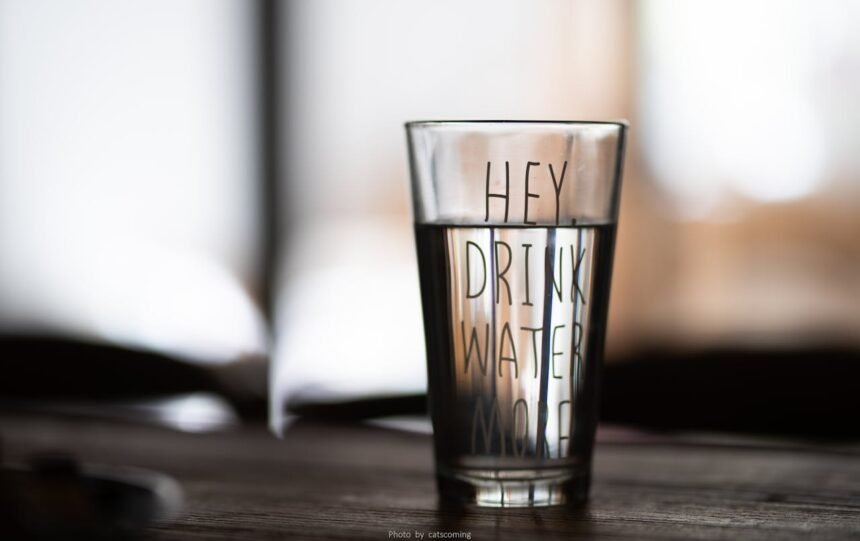
Staying hydrated is one of the most foundational aspects of wellness, yet it’s something many people find challenging. Adequate water intake impacts energy levels, mental clarity, and even the balance of bodily functions. If you’re struggling to drink enough water daily, don’t worry—you’re not alone. Thankfully, there are creative, simple ways to ensure you meet your hydration goals without feeling like you’re forcing it. In this article, we’ll explore effective hydration hacks that seamlessly integrate into your life to improve mind-body balance and overall wellness.
The Importance of Hydration for Mind-Body Wellness
Water is essential to human life and plays a pivotal role in maintaining physical and mental health. From improving skin health to aiding digestion and regulating body temperature, staying hydrated ensures that your body functions optimally. It also supports cognitive health by enhancing focus, memory, and decision-making skills, preventing symptoms of dehydration like fatigue, confusion, and headaches. Even small changes in hydration levels can dramatically impact energy and brain performance.
It’s not just about survival; hydration is closely tied to long-term health outcomes. According to research published in the journal Nutrition Reviews, chronic dehydration may increase the likelihood of kidney stones, urinary tract infections, and even cardiovascular distress. On the flip side, staying consistently hydrated may improve blood circulation, promote toxin elimination, and support healthy metabolic processes.
Integrating hydration into your daily holistic wellness habits can amplify your overall wellness journey and enhance your quality of life.
Physical Benefits of Staying Hydrated
Beyond basic survival, water is the backbone of physical wellness. It maintains the balance of bodily fluids and contributes to nutrient transport, aiding in muscle performance and the lubrication of joints. Proper hydration supports kidney function and allows these organs to filter excess waste effectively. For athletes or those engaging in physical activity, water improves endurance by preventing cramps, flushing out lactic acid, and ensuring muscles receive oxygenated blood during workouts.
A study in the Journal of Applied Physiology highlighted that hydrated individuals performed significantly better in physical endurance tests compared to those who were dehydrated. Whether you’re hiking a mountain, hitting the gym, or simply walking your dog, staying hydrated can noticeably improve physical stamina.
Mental and Emotional Wellness
Dehydration doesn’t just affect the body—it impacts the brain as well. A study featured in Psychology Today revealed that even a 1% decrease in hydration levels can lead to noticeable mood disturbances, irritability, and impaired cognitive function. Hydration influences neurotransmitter production, including serotonin and dopamine, which regulate mood and emotions.
Have you ever experienced “brain fog” or struggled to concentrate? The culprit might be dehydration. When you’re properly hydrated, your brain operates more efficiently, allowing you to focus sharply during work or social interactions. Staying hydrated is essential for accessing psychological stability and emotional equilibrium.

Practical Hydration Hacks to Enhance Wellness
Hydration doesn’t have to feel like a chore. Implementing creative strategies can make it easier and enjoyable to consume enough water without overthinking it. Here are some actionable hydration hacks designed to seamlessly fit into your daily routine:
1. Infuse Your Water With Flavor
If regular water seems bland, enhance its taste with natural flavors. Add slices of fruits like lemon, lime, or berries, and experiment with fresh herbs like mint or basil. Vegetables such as cucumber or celery are also refreshing additions. Flavored water feels less mundane and more like a treat, encouraging you to refill and sip throughout the day. Pro tip: Prepare infused water the night before and store it in the fridge for maximum flavor infusion.
2. Invest in a Smart Water Bottle
Smart water bottles are a modern solution to hydration challenges. Designed with technology, these bottles remind you to drink water at regular intervals, track your intake, and motivate you to meet your hydration goals. Brands like HidrateSpark and Thermos Smart Lid offer customizable tracking systems linked to phone apps, making it easier to stay on target throughout the day. While these bottles can be pricey, they are an excellent investment for tech-savvy individuals looking to prioritize wellness in their busy lives.
3. Attach Hydration to Existing Habits
One of the most effective strategies for building a hydration habit is pairing drinking water with activities you already do. Think of “habit stacking”—for example, drink a glass of water after completing a workout or before sitting down to answer emails. You could also take a sip of water during television commercial breaks or while you wait for your coffee to brew. By tying hydration to regular routines, it becomes second nature. Check out habit-related resources from the Mayo Clinic Healthy Lifestyle Guide for deeper insights into creating sustainable systems.
How Much Water Do You Actually Need?
While the conventional wisdom of “eight glasses of water a day” may work as a general rule, individual water needs vary widely. Factors such as age, gender, activity level, climate, and overall health conditions all influence how much water your body requires. Below is an expanded table summarizing key guidelines for water intake:
| Demographic | Daily Water Intake Recommendation | Factors to Consider | Tips |
|---|---|---|---|
| Adults (18+) | 2.7 – 3.7 liters | Climate, activity level, overall health | Carry refillable bottles wherever you go |
| Teens | 1.5 – 3 liters | Growth, metabolism, physical activity levels | Use colorful or themed water bottles for motivation |
| Children | 1 – 1.5 liters | Weight, age, energy expenditure | Offer water-rich snacks like watermelon |
| Older Adults | 1.5 – 2 liters | Chronic illnesses, medication influencing hydration | Use apps to set reminders for hydration |
In addition to these guidelines, it’s helpful to monitor your body’s signals, such as thirst, urine color (pale yellow is ideal), and skin elasticity.
Creating a Hydration-Friendly Environment
Your workspace and home layout influence how likely you are to stay hydrated. Keep water bottles or a hydration station easily accessible, whether at your desk or near the couch. Set recurring alarms on your devices to remind you to pause and hydrate regularly. Surrounding yourself with visual cues—like decorative water dispensers or motivational post-it notes—can serve as gentle reminders to drink water throughout the day.
Follow These Hydration Tools and Apps
For those who thrive on digital solutions, apps like Plant Nanny can make hydration fun. You “grow” plants as you drink water, adding a gamified element to hydration tracking. Meanwhile, apps like Daily Water Tracker offer customizable goals and daily reminders to support your efforts seamlessly. These resources integrate water consumption into your lifestyle in fun, measurable ways.
Hydration Alternatives Beyond Plain Water
If you’re not a fan of plain water, the good news is that many alternatives can hydrate your body effectively. Herbal teas like chamomile or green tea provide a soothing option loaded with antioxidants. Broths, particularly bone or vegetable varieties, replenish electrolytes and minerals while offering hydration. Water-rich fruits such as watermelon, oranges, and strawberries are excellent snacks that boost water intake effortlessly. Adding hydration-rich foods to your meals can make a substantial difference to your daily water balance.
Hydration Boosters
Coconut water stands out as a natural alternative for hydration, boasting potassium and sodium electrolytes ideal for post-workout recovery. Smoothies with water-based ingredients such as cucumber or ice provide another flavorful option. Keep hydrating foods like celery sticks or grapes within arm’s reach at home or work to encourage snacking.
Stress Connection: Hydration and Mental Health
Did you know that dehydration can exacerbate stress levels and make it harder for your body to regulate cortisol—your primary stress hormone? Drinking enough water is a vital component of stress management techniques. Staying hydrated helps maintain an even mood while preventing tension headaches and fatigue. Pair your hydration practices with mindfulness exercises such as meditation, yoga, or progressive muscle relaxation. Apps like Headspace can help integrate these calming habits seamlessly.
Comparison of Hydration Aids
Between smart bottles and natural hydrating foods, which offer the greatest perks? Here’s a detailed comparison to help you choose the right strategy for your lifestyle:
| Method | Pros | Cons | Use Case |
|---|---|---|---|
| Smart Water Bottle | Track hydration, reminders | Expensive, tech-dependent | Perfect for office workers |
| Infused Water | Tasty and customizable | Time-intensive preparation | Great for home use |
| Hydrating Foods | Convenient, additional nutrients | Limited to certain foods | Ideal for busy days |
| Tracking Apps | Interactive and engaging | Dependent on devices | Best for habit-building |
Concluding Thoughts: Hydration Made Simple
Hydration doesn’t have to be complicated or feel forced. By using creative approaches like infused water, smart tools, and hydrating foods, you can meet your water intake goals without much effort. Moreover, staying hydrated supports physical, emotional, and mental health, promoting overall wellness. Pair your hydration hacks with meditation practices or other mindful habits for a holistic benefit. Take small steps, track your progress, and enjoy the rewards of a fully hydrated lifestyle.