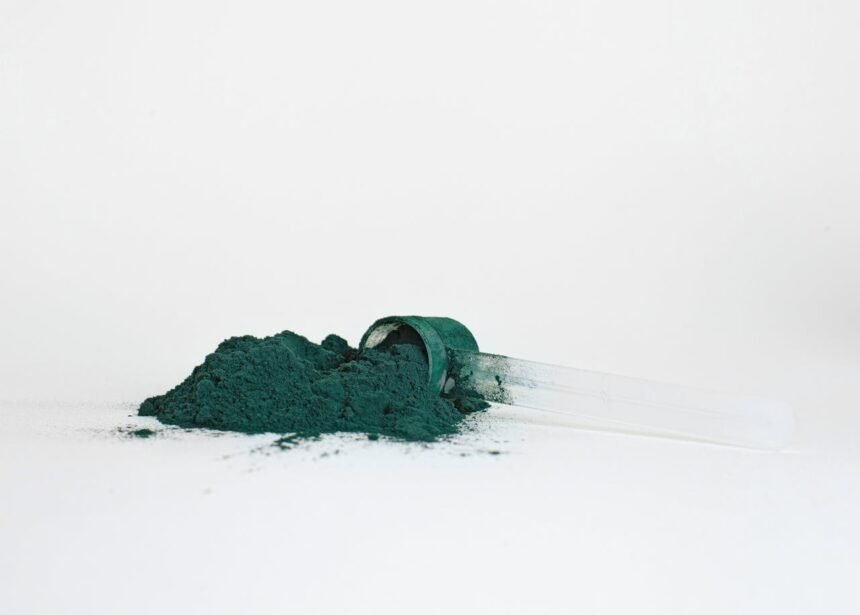
In the ever-evolving landscape of health and wellness, superfoods come and go with the seasons. However, one vibrant contender has stood the test of time, dating back to the Aztecs: Spirulina. This blue-green algae (cyanobacteria) is more than just a smoothie trend; it is arguably one of the most nutrient-dense foods on the planet.
While many people take supplements sporadically, research suggests that consistency is key. Understanding the benefits of spirulina powder daily can transform this supplement from an occasional add-on into a cornerstone of your nutritional regimen. From bolstering the immune system to potentially regulating blood pressure, the scope of what this microscopic organism can do is macroscopic in impact.
What is Spirulina? The Biology of a Superfood
Spirulina is a biomass of cyanobacteria that can be consumed by humans and animals. It grows in both fresh and saltwater, thriving in high-pH alkaline lakes. Historically, it was harvested from Lake Texcoco by the Aztecs, who called it tecuitlatl. Today, it is recognized globally, even by space agencies.
In the 1970s, the National Aeronautics and Space Administration (NASA) investigated spirulina as a food source for astronauts, noting its incredibly compact nutritional profile. Because it contains all essential amino acids, it is a complete protein—a rarity for plant-based sources.
The Nutritional Profile
A single tablespoon (approximately 7 grams) of dried spirulina powder contains:
- Protein: 4 grams
- Vitamin B1 (Thiamine): 11% of the RDA
- Vitamin B2 (Riboflavin): 15% of the RDA
- Vitamin B3 (Niacin): 4% of the RDA
- Copper: 21% of the RDA
- Iron: 11% of the RDA
According to data from the USDA FoodData Central, it also contains decent amounts of magnesium, potassium, and manganese. This density is why many health professionals advocate for a daily intake to fill nutritional gaps in standard Western diets.
Top Health Benefits of Spirulina Powder Daily
Integrating spirulina into your daily routine does more than just boost your protein intake. Here are the scientifically backed benefits of consistent consumption.
1. Powerful Antioxidant and Anti-Inflammatory Properties
Oxidative stress can damage your DNA and cells, driving chronic inflammation that contributes to cancer and other diseases. The main active component in spirulina is phycocyanin, the pigment that gives the algae its unique blue-green color.
Phycocyanin is a potent fighter against free radicals. It inhibits the production of inflammatory signaling molecules, providing impressive antioxidant and anti-inflammatory effects. A study highlighted by the National Institutes of Health (NIH) demonstrates that spirulina supplementation can significantly reduce markers of oxidative stress.
2. Improvements in Heart Health and Cholesterol
Cardiovascular disease remains the leading cause of death globally. Interestingly, the benefits of spirulina powder daily appear to extend to lipid profiles. Several studies have indicated that spirulina can lower total cholesterol, “bad” LDL cholesterol, and triglycerides, while raising “good” HDL cholesterol.
In a study of people with high cholesterol, 1 gram of spirulina per day lowered triglycerides by 16.3% and LDL by 10.1%. For those managing dyslipidemia, this natural intervention, discussed in findings by Harvard Health Publishing regarding natural cholesterol management, suggests algae-based supplements are a viable adjunct to lifestyle changes.
3. Potential Anti-Cancer Properties
While more research is needed in humans, animal studies suggest that spirulina usage can reduce cancer occurrence and tumor size. It is particularly well-studied regarding oral cancer.
In one famous study involving 87 people from India with precancerous lesions (OSMF) in the mouth, 45% of those who took 1 gram of spirulina per day for one year saw a complete regression of their lesions. This compares to only 7% in the control group. The Memorial Sloan Kettering Cancer Center acknowledges these potential benefits, though they advise it should be complementary to standard treatments.
4. Relief from Allergic Rhinitis
If you suffer from seasonal allergies, spirulina might be the natural alternative to antihistamines you have been looking for. Allergic rhinitis is characterized by inflammation in the nasal passageways, triggered by pollen, animal hair, or dust.
Evidence suggests spirulina is a popular alternative treatment for symptoms of allergic rhinitis. In one study, daily consumption reduced symptoms like nasal discharge, sneezing, congestion, and itching. This efficacy is documented in archives found within the National Library of Medicine.
5. Muscle Strength and Endurance
Exercise-induced oxidative damage is a major contributor to muscle fatigue. Because spirulina is high in antioxidants, it may help athletes and active individuals minimize this damage.
Some studies point to improved muscle strength and endurance, allowing individuals to take longer to become fatigued. For athletes looking to optimize performance naturally, this aligns with sports nutrition advice often cited by the American Council on Exercise.
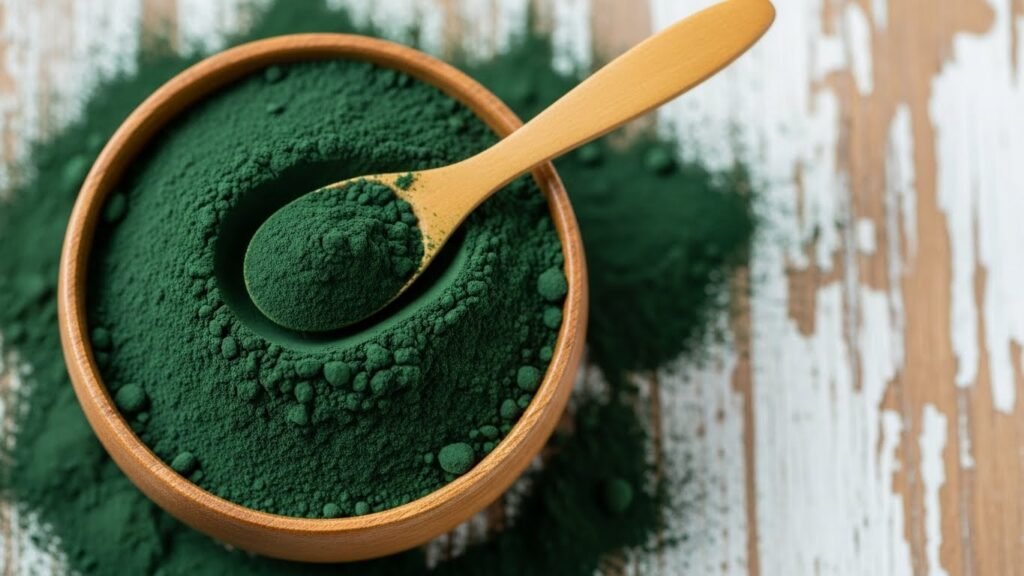
Spirulina vs. Chlorella: Understanding the Difference
Spirulina is often confused with Chlorella, another popular algae. While both are superfoods, they serve slightly different purposes. Spirulina is a cyanobacteria (blue-green algae) and is easier to digest because it lacks a hard cell wall. Chlorella is a solid green algae with a hard cell wall that requires processing to be digestible, though it is often higher in chlorophyll.
| Feature | Spirulina | Chlorella |
|---|---|---|
| Type | Cyanobacteria (Blue-Green Algae) | Green Algae |
| Cell Wall | Soft (Easily Digestible) | Hard (Requires “Cracked Cell” processing) |
| Protein Content | Higher (~60-70%) | Lower (~50-60%) |
| Best For | Energy, Protein, Allergies | Detoxification, Heavy Metal Chelation |
| Fatty Acids | Rich in GLA (Gamma-linolenic acid) | Rich in Omega-3s |
| Preparation | Can be eaten raw/dried | Must be processed to access nutrients |
Managing Blood Sugar Levels
Emerging research suggests spirulina may help in managing diabetes. Animal studies have shown that it can significantly lower blood sugar levels. In some human studies, Hba1c levels (a marker for long-term blood sugar levels) decreased noticeably.
The Centers for Disease Control and Prevention (CDC) emphasizes the importance of lifestyle in managing Type 2 diabetes, and while spirulina is not a replacement for insulin, it is showing promise as a functional food for metabolic regulation.
Safety, Dosage, and Side Effects
While the benefits of spirulina powder daily are extensive, quality control is paramount. Because algae grows in water, it can absorb whatever is in its environment—including toxins.
Contamination Risks
If harvested from contaminated water, spirulina can harbor toxic substances called microcystins, as well as heavy metals and bacteria. This can cause liver damage, nausea, and shock. It is vital to purchase spirulina from reputable brands that test for purity. Organizations like ConsumerLab often test these supplements to verify they are free from contaminants.
Who Should Avoid It?
- Phenylketonuria (PKU): Spirulina contains phenylalanine. People with PKU cannot metabolize this amino acid, making spirulina unsafe for them, a warning echoed by MedlinePlus.
- Autoimmune Diseases: Because spirulina boosts the immune system, it could worsen conditions like lupus, multiple sclerosis, or rheumatoid arthritis.
- Pregnancy: While natural, there is not enough data to unequivocally deem it safe for pregnant women without doctor supervision.
Recommended Dosage
Standard doses in studies range from 1 to 3 grams per day, though doses up to 10 grams have been used safely. It is best to start small to assess your tolerance.
How to Use Spirulina Powder
The taste of spirulina is often described as “earthy” or “sea-like.” It can be an acquired taste. To mask the flavor while reaping the rewards:
- Smoothies: Blend it with sweet fruits like bananas, pineapples, or mangoes.
- Green Juices: Mix with spinach, cucumber, and lemon juice to cut the algae taste.
- Energy Bites: Mix powder into date and nut balls.
- Water: For the hardcore health enthusiast, mix a teaspoon into a glass of water with a squeeze of lemon.
Conclusion
Spirulina is far more than a health fad; it is a nutrient powerhouse with a history as rich as its nutritional profile. From combatting inflammation and bad cholesterol to potentially alleviating allergy symptoms, the benefits of spirulina powder daily are difficult to ignore.
However, like all supplements, source matters. Ensuring you choose a contaminant-free product will allow you to enjoy the benefits without the risks. If you are looking to elevate your energy levels and fortify your body’s defenses, this ancient algae might just be the modern solution you need.
Disclaimer: Always consult with a healthcare professional before starting any new supplement regimen, especially if you have pre-existing health conditions or are taking medication.
Ready to boost your health? Start by adding just half a teaspoon of organic spirulina to your morning smoothie and feel the difference nature’s oldest superfood can make.