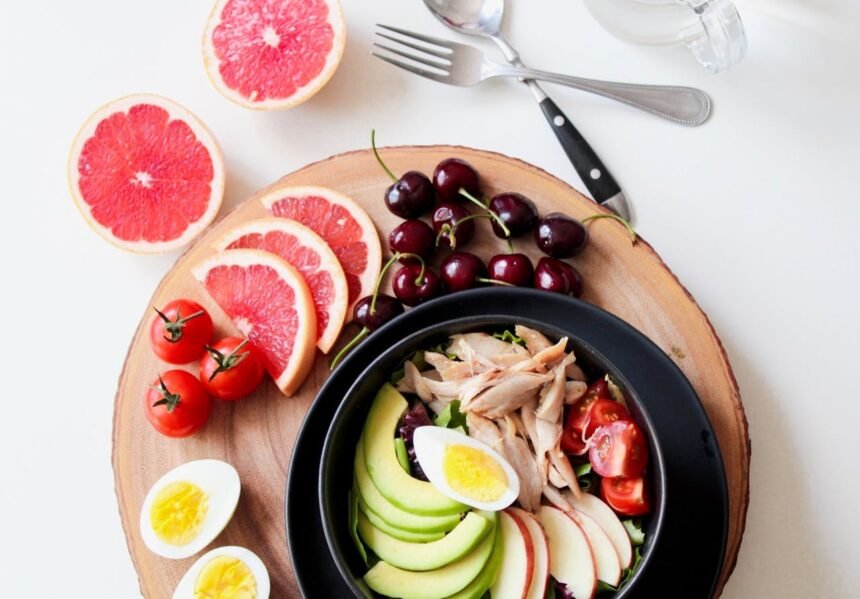
In the high-stakes world of modern business, time is often the most scarce resource. Between back-to-back meetings, project deadlines, and the mental load of decision-making, nutrition often falls by the wayside. The result? A reliance on convenient, processed foods or expensive takeout that leads to the mid-afternoon energy crash. Implementing easy healthy meal prep for busy professionals is not just about diet; it is a productivity hack that yields a high return on investment (ROI) for your health and your career.
This comprehensive guide will move beyond basic recipes to discuss the strategy, execution, and psychology of successful meal planning, ensuring you stay fueled, focused, and efficient throughout the workweek.
The Professional Case for Meal Prep
Before diving into the how, it is essential to understand the why. Meal prepping is often viewed as a domestic chore, but for a professional, it is a strategic operations choice.
1. Eliminating Decision Fatigue
According to the American Psychological Association, decision fatigue is a real phenomenon. The average adult makes thousands of decisions daily. By automating your nutritional choices on Sunday, you preserve cognitive bandwidth for high-level business decisions on Tuesday afternoon.
2. Nutritional Quality Control
Restaurants often utilize high amounts of sodium and saturated fats to enhance flavor. By prepping your own meals, you control the macros. The Harvard T.H. Chan School of Public Health emphasizes the importance of a balanced plate containing healthy proteins, whole grains, and vegetables—a balance that is difficult to guarantee with fast-casual takeout.
3. Financial Efficiency
While health is paramount, the financial implications are significant. Data from the Bureau of Labor Statistics indicates that food away from home is a major expenditure for American households. Reallocating those funds can bolster savings or investment portfolios.
The Strategy: Batch Cooking vs. Assembly
Successful easy healthy meal prep for busy professionals relies on choosing the right workflow. There are two primary methodologies:
- Batch Cooking: Preparing full recipes (e.g., a large pot of chili or a tray of roasted chicken) and portioning them out.
- Ingredient Assembly: Prepping individual components (chopped veggies, cooked quinoa, grilled steak strips) to mix and match throughout the week.
For most professionals, a hybrid approach works best. It prevents the boredom of eating the exact same meal five days in a row while maintaining efficiency.
The Toolkit: Essential Equipment
You do not need a commercial kitchen, but you do need reliable tools.
- High-Quality Containers: Invest in glass containers. They are BPA-free, stain-resistant, and microwave-safe. The Mayo Clinic suggests portion control is easier when you have uniform storage.
- Slow Cooker or Pressure Cooker: These allow for “set it and forget it” cooking, essential for multitasking.
- Kitchen Scale: For those tracking specific macronutrient goals.
The Blueprint: A Step-by-Step Execution Plan
Step 1: The Sunday Ritual (Planning & Shopping)
Treat this like a project roadmap. select 3-4 core recipes. Create a consolidated shopping list to minimize time at the grocery store. Focus on nutrient-dense whole foods as recommended by the USDA MyPlate guidelines.
Step 2: The Prep Block
Allocate 2-3 hours. This is your “deep work” session for the kitchen.
- Roast Vegetables: High temperature (400°F) for 20-30 minutes.
- Proteins: Grill chicken, bake salmon, or boil eggs.
- Carbohydrates: Cook a large batch of brown rice, quinoa, or sweet potatoes.
Step 3: Proper Storage
Food safety is non-negotiable. According to the Centers for Disease Control and Prevention (CDC), perishable foods should be refrigerated within two hours. Most cooked leftovers are good for 3 to 4 days. If you prep for a full week, freeze the Thursday and Friday meals.
Comparative Analysis: Meal Prep vs. Fast Casual
To visualize the impact, let’s compare a standard homemade prep meal against a popular fast-casual burrito bowl.
| Metric | Homemade Chicken Quinoa Bowl | Fast Casual Burrito Bowl | The Difference |
|---|---|---|---|
| Cost per Meal | $4.50 | $14.00 | Savings of $9.50/day |
| Calories | 450 – 550 | 900 – 1100 | ~50% Calorie Reduction |
| Sodium | 400mg | 2100mg | 80% Less Sodium |
| Time Cost | 3 mins (reheat) | 15-30 mins (travel/wait) | Time Saved |
| Control | 100% | Low | High Certainty |
Note: Costs are estimates based on average US grocery prices and major chain menu prices.
Nutrient Focus for Sustained Energy
To avoid the afternoon slump, your meals must be chemically balanced to regulate blood sugar.
- Complex Carbohydrates: Oats, quinoa, and legumes provide a slow release of glucose. The American Heart Association recommends these over refined sugars to maintain heart health and energy levels.
- Lean Proteins: Essential for neurotransmitter function. Chicken, tofu, fish, and Greek yogurt are staples.
- Healthy Fats: Avocados, nuts, and olive oil support brain health. The National Institutes of Health (NIH) has published extensive research linking dietary fats to cognitive performance.
3 Quick-Fire Recipe Concepts
Here are three examples of easy healthy meal prep for busy professionals that require minimal culinary skill:
1. The “Bistro Box”
- Components: Hard-boiled eggs, hummus, carrot sticks, grapes, and whole-wheat crackers.
- Why it works: No cooking required, just assembly. High protein and fiber.
2. Sheet Pan Salmon & Asparagus
- Method: Place salmon fillets and asparagus on a single sheet pan. Drizzle with olive oil, lemon, and dill. Bake at 400°F for 12-15 minutes.
- Why it works: Minimal cleanup and rich in Omega-3s. Read more about Omega-3 benefits from the Cleveland Clinic.
3. Mason Jar Salads
- Layering Strategy: Dressing at the bottom, hard veggies (cucumbers, peppers) next, grains/proteins in the middle, and leafy greens on top.
- Why it works: Keeps the salad crisp for days. Shake to mix before eating.
Overcoming Common Hurdles
“I don’t have time on Sundays.” Split the prep. Do the shopping on Friday evening and the cooking on Monday night. Or, use a grocery delivery service to save the shopping hour.
“I get bored eating the same thing.” Use sauces to change the flavor profile. Grilled chicken can be Italian (pesto), Mexican (salsa), or Asian-inspired (soy-ginger glaze) just by changing the condiment.
“I struggle with portion sizes.” This is where pre-portioning into containers is vital. It acts as a physical constraint against overeating. The National Institute of Diabetes and Digestive and Kidney Diseases offers great visual guides for estimating portions.
Conclusion: Start Small for Big Results
Adopting a lifestyle of easy healthy meal prep for busy professionals does not require you to become a master chef overnight. It requires a shift in mindset—viewing your nutrition as a critical component of your professional toolkit.
Start small. Commit to prepping just your lunches for three days next week. Monitor how your energy levels stabilize and how much time you save. As the World Health Organization notes, a healthy diet protects against malnutrition and noncommunicable diseases, ensuring you have the longevity to enjoy the fruits of your labor.
Fuel your body with intention, and watch your professional performance soar.