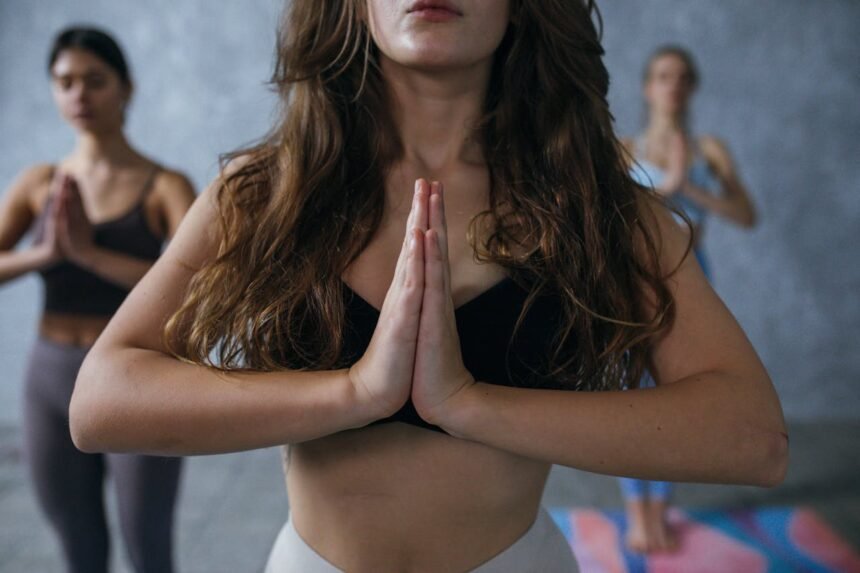
In the high-speed rhythm of modern life, anxiety often arrives without warning. It can manifest as a tightening chest before a presentation, a racing heart during a difficult conversation, or a general sense of unease that permeates the workday. While long-term stress management strategies like therapy and lifestyle changes are crucial, they don’t always address the immediate physiological spike of panic. This is where quick breathing exercises for anxiety relief become an indispensable tool in your mental health toolkit.
Breathing is one of the few autonomic bodily functions we can consciously control. By altering the rate and depth of your breath, you can send a direct signal to your brain to shift from a state of high alert to a state of calm. This article explores the science behind breathwork and provides five actionable techniques to help you regain control instantly.
The Physiology of Calm: Why Breathing Works
To understand why breathing exercises are effective, we must look at the nervous system. The autonomic nervous system has two main branches:
- The Sympathetic Nervous System: Often called the “fight or flight” response. It accelerates heart rate, constricts blood vessels, and raises blood pressure.
- The Parasympathetic Nervous System: Known as the “rest and digest” response. It slows the heart rate and promotes relaxation.
Anxiety triggers the sympathetic system. However, slow, deep breathing activates the Vagus Nerve, which runs from the brain to the abdomen. According to research highlighted by Scientific American, stimulating the Vagus nerve acts as a brake on the stress response, physically forcing the body into a parasympathetic state. This is not merely a placebo effect; it is a physiological override switch.
5 Quick Breathing Exercises for Anxiety Relief
The following techniques range from simple rhythmic patterns to ancient yogic practices, all adapted for modern application. They require no equipment and can be performed anywhere—from an office desk to a parked car.
1. Box Breathing (Square Breathing)
Popularized by Navy SEALs for maintaining focus under extreme duress, Box Breathing is a powerful technique for resetting the mind and regaining concentration.
How to do it:
- Step 1: Inhale slowly through your nose for a count of 4.
- Step 2: Hold your breath for a count of 4.
- Step 3: Exhale slowly through your mouth for a count of 4.
- Step 4: Hold your breath (lungs empty) for a count of 4.
- Repeat: Continue this cycle for 4 to 5 minutes.
This technique is particularly effective because the “holding” phases allow CO2 to build up slightly in the blood, which can enhance the vagal response and lower anxiety. As noted by Healthline, this method is also excellent for heightening performance and concentration.
2. The 4-7-8 Technique
Developed by Dr. Andrew Weil, the 4-7-8 breathing technique is described as a “natural tranquilizer for the nervous system.” It is specifically designed to reduce anxiety and help people fall asleep.
How to do it:
- Step 1: Exhale completely through your mouth, making a whoosh sound.
- Step 2: Close your mouth and inhale quietly through your nose to a mental count of 4.
- Step 3: Hold your breath for a count of 7.
- Step 4: Exhale completely through your mouth, making a whoosh sound to a count of 8.
- Repeat: Perform this cycle a total of 4 times.
The extended exhalation is the key here. Longer exhalations are linked to the relaxation response, a concept extensively studied by institutions like Harvard Health Publishing.
3. Diaphragmatic Breathing (Belly Breathing)
Most anxious people are “chest breathers,” taking shallow breaths that only fill the upper lungs. This can actually increase tension. Diaphragmatic breathing engages the diaphragm, allowing for full oxygen exchange.
How to do it:
- Step 1: Place one hand on your upper chest and the other on your belly, just below your rib cage.
- Step 2: Breathe in slowly through your nose. The hand on your belly should rise, while the hand on your chest remains still.
- Step 3: Tighten your stomach muscles, letting them fall inward as you exhale through pursed lips.
The American Lung Association recommends this technique not just for anxiety, but to improve overall lung efficiency. By physically focusing on the rise and fall of the belly, you also divert mental energy away from racing thoughts.
4. Alternate Nostril Breathing (Nadi Shodhana)
Rooted in yoga, this practice is excellent for balancing the left and right hemispheres of the brain and settling an agitated mind. It requires a bit more physical interaction but is highly effective for moderate to severe anxiety.
How to do it:
- Step 1: Sit comfortably. Use your right thumb to close your right nostril.
- Step 2: Inhale slowly through your left nostril.
- Step 3: Close your left nostril with your ring finger, release your thumb, and exhale through the right nostril.
- Step 4: Inhale through the right nostril.
- Step 5: Close the right nostril, release the ring finger, and exhale through the left.
This completes one cycle. A study cited by the National Institutes of Health (NIH) suggests that practicing alternate nostril breathing can significantly reduce blood pressure and improve reaction time.
5. Resonance Breathing (Coherent Breathing)
Resonance breathing involves breathing at a rate of 5 to 6 breaths per minute. This specific frequency synchronizes your heart rate variability (HRV) with your breath, creating a state of coherence.
How to do it:
- Step 1: Inhale for a count of 5.
- Step 2: Exhale for a count of 5.
- Step 3: Do not hold your breath in between; keep the flow continuous.
This technique maximizes HRV, which is a key indicator of resilience to stress. Organizations like the HeartMath Institute have conducted extensive research on how this synchronization positively impacts emotional regulation.
Comparison of Breathing Techniques
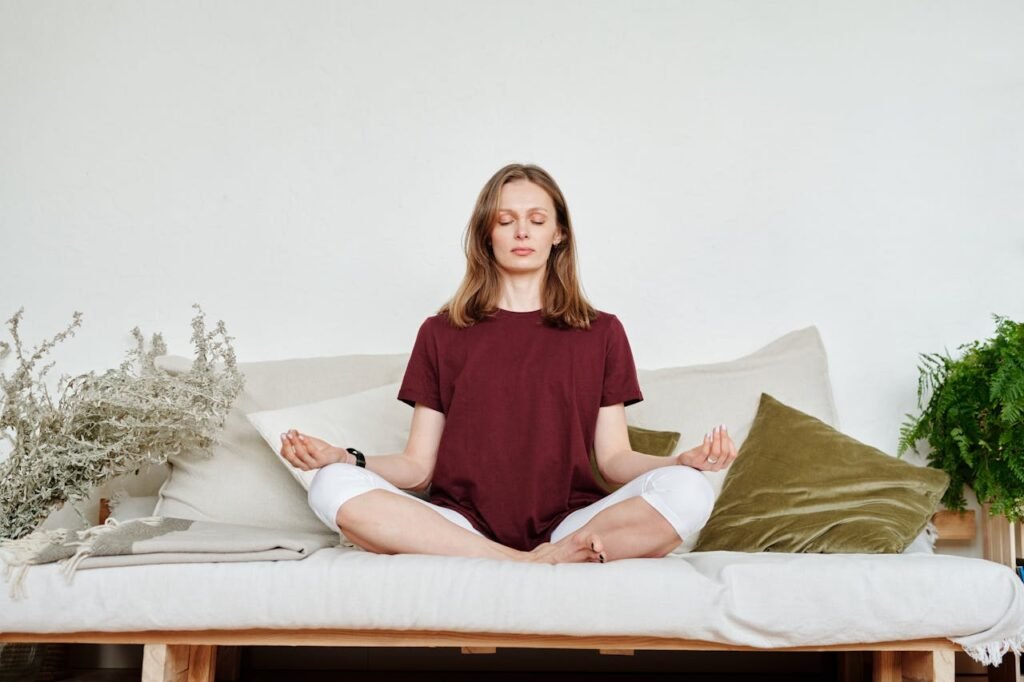
Choosing the right technique depends on your environment and the level of anxiety you are experiencing. The table below breaks down the utility of each method.
| Technique | Primary Benefit | Difficulty Level | Best Used For |
|---|---|---|---|
| Box Breathing | Focus & Reset | Low | High-pressure situations, before meetings |
| 4-7-8 Breathing | Deep Relaxation | Medium | Insomnia, panic attacks, evening wind-down |
| Diaphragmatic | Physical Grounding | Low | Chronic stress, shallow breathing correction |
| Alternate Nostril | Brain Balancing | Medium | Pre-meditation, regaining mental clarity |
| Resonance | Heart Rate Variability | High (requires timing) | Long-term resilience training, HRV biofeedback |
Integrating Breathwork into Your Daily Routine
Knowing these quick breathing exercises for anxiety relief is only half the battle; remembering to use them is the other. Anxiety often tricks the brain into thinking there is no time to pause. Here are strategies to build the habit:
- The “Red Light” Rule: Practice Box Breathing whenever you are stopped at a red light or waiting for an elevator.
- Tech Triggers: Set a silent reminder on your phone every 3 hours to do one minute of Diaphragmatic breathing.
- Transition Points: Use the 4-7-8 technique during the transition from work to home life to leave professional stress at the door.
According to the Anxiety and Depression Association of America (ADAA), consistent practice of relaxation techniques can reduce the baseline levels of anxiety over time, making you less reactive to stressors in the future.
When to Seek Professional Help
While breathing exercises are powerful, they are tools for management, not a cure for underlying disorders. If anxiety interferes with your daily life, relationships, or ability to work, it is vital to seek professional guidance.
Chronic anxiety can be complex. Resources from the National Institute of Mental Health (NIMH) provide extensive information on differentiating between normal stress and anxiety disorders. Furthermore, cognitive-behavioral therapy (CBT), often recommended by the Mayo Clinic, can help address the root cognitive patterns that fuel anxiety, working synergistically with breathwork.
Conclusion
Your breath is your constant companion and your most accessible tool for emotional regulation. By mastering these quick breathing exercises for anxiety relief, you empower yourself to intercept the stress response before it spirals out of control. Whether you choose the structural discipline of Box Breathing or the rhythmic calm of Resonance Breathing, the goal remains the same: to move from chaos to coherence.
Start small. Try one of these techniques today for just two minutes. You may find that the peace you are searching for is just a few deep breaths away.
Disclaimer: This content is for informational purposes only and is not a substitute for professional medical advice, diagnosis, or treatment. Always seek the advice of your physician or other qualified health provider with any questions you may have regarding a medical condition.