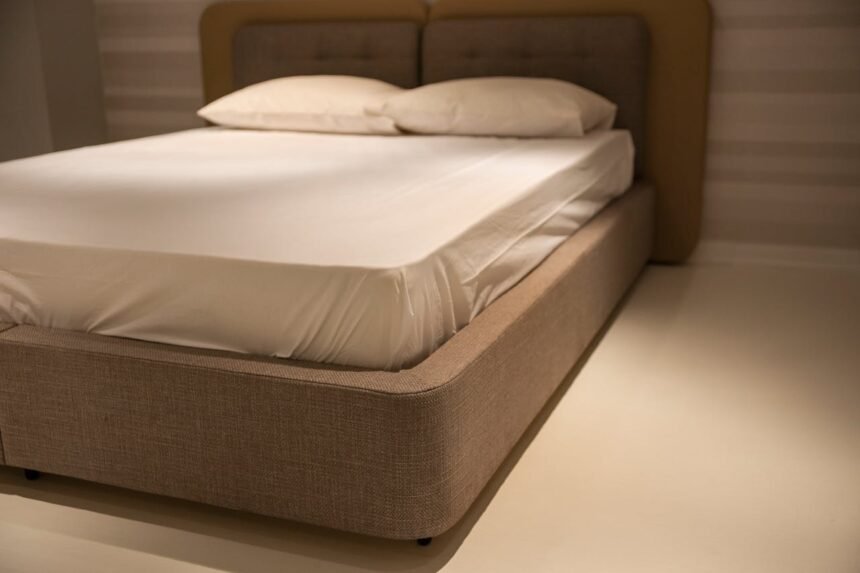
We spend roughly one-third of our lives in bed. Consequently, the quality of your mattress plays a pivotal role in your overall health. A supportive mattress is not just a luxury; it is a medical necessity for proper spinal alignment and restorative rest. Over time, however, even the highest quality beds lose their structural integrity.
Sleeping on an old or damaged mattress can lead to chronic back pain, poor posture, and hygiene issues caused by allergen accumulation. Recognising the signs you need a new mattress is the first step toward reclaiming your health. If you are struggling to find comfort or waking up stiff, your bed foundation may be the culprit.
In this article, we analyse seven clear indicators that it is time to upgrade your sleep setup. We also explore how sleep hygiene, environment, and routine interact with your choice of mattress.
1. You Wake Up with Aches and Pains
The most obvious sign of a failing mattress is physical pain. If you wake up feeling stiff or sore, especially in your lower back, hips, or neck, your mattress is likely to blame. Over time, the support core of a mattress degrades.
This creates a hammock effect where your hips sink too low. This misalignment strains the spine and surrounding muscles. If the pain subsides within an hour of getting out of bed, it is a strong indicator that your sleep surface is the cause. For those managing chronic conditions, consulting NHS guidelines on back pain is recommended alongside changing your bed.
2. Visible Sagging and Lumps
Visual inspection often reveals the truth. Strip your bed of all bedding and look closely at the surface. Are there noticeable dips in the middle? Is the edge collapsing?
Sagging is a critical failure of the mattress structure. It usually occurs in the areas where you sleep most frequently. Once a mattress sags, it cannot provide neutral spine alignment. This forces your muscles to work throughout the night to keep your body stable, preventing you from fully relaxing.
3. Your Allergies Are Worse at Night
Mattresses are magnets for allergens. Over a decade, a mattress can accumulate pounds of dead skin cells, sweat, and dust mites. For people with asthma or eczema, this can be disastrous. Mould and mildew can also grow inside the foam layers if the room is humid.
If you find yourself sneezing or suffering from congestion specifically when you are in bed, your mattress might be a biohazard. Improving your room’s ecosystem is vital. While a new hypoallergenic mattress is the best fix, you can also research the best plants for bedroom air quality and sleep, such as snake plants or peace lilies, to help filter the air naturally.
4. You Hear Squeaking or Creaking
If you sleep on a sprung mattress, noise is a bad sign. Squeaking implies that the metal coils are rubbing against each other or have snapped. This compromises the bed’s ability to distribute weight evenly.
A noisy bed also disrupts sleep continuity. Every time you move, the sound may wake you or your partner. Modern foam or hybrid mattresses eliminate this issue. Furthermore, you might consider the benefits of an adjustable bed frame, which allows you to alter your sleeping angle for better circulation and silence.
5. You Wake Up Frequently in the Night
Do you find yourself tossing and turning? Inability to get comfortable is often due to pressure points. When a mattress is too hard or has lost its comfort layer, it presses against your shoulders and hips. This cuts off circulation, causing you to wake up to change position.
Frequent waking fragments your rest. You might find yourself asking, “Why do I wake up at 4am and cannot get back to sleep?” While stress plays a role, physical discomfort is often the trigger that pulls you out of the sleep cycle. Learning how to stay asleep all night often starts with ensuring your physical contact points are cushioned properly.
6. You Sleep Better Elsewhere
This is the ultimate litmus test. If you get a better night’s rest at a hotel, or even on a friend’s sofa, your mattress at home is failing you. Your body should be most comfortable in your own bed.
Hotels often change their mattresses every few years to ensure premium comfort. If you notice a distinct difference in how refreshed you feel after sleeping away from home, take that as a confirmation that an upgrade is necessary. You can verify healthy sleep patterns by checking resources like the Sleep Foundation.
7. Impact on Sleep Cycles
A bad mattress prevents you from entering deep restorative stages of sleep. To understand why this matters, we must look at the difference between REM and deep sleep.
Deep sleep is for physical restoration, muscle repair, and immune boosting. REM sleep is for cognitive processing and memory. Discomfort keeps you in the lighter stages of sleep. If you want to know how to get deep sleep naturally, the first step is a surface that relieves pressure so your body does not send “pain signals” to your brain all night.
Is It the Mattress or Medical Issues?
Sometimes, sleep issues are complex. It is important to distinguish between a bad mattress and a sleep disorder. For instance, parents should be aware of the symptoms of narcolepsy in teens, such as excessive daytime sleepiness and sudden loss of muscle tone. These require medical intervention, not just a new bed.
Similarly, teeth grinding (bruxism) can cause jaw pain and headaches. Knowing how to stop grinding teeth at night involves stress management and perhaps a mouthguard, though a supportive pillow and mattress can help align the neck to reduce tension. Learn more about adolescent sleep health or consult the Mayo Clinic on bruxism.
Enhancing Your Sleep Hygiene
Once you have a new mattress, you must maintain good habits to maximise its benefits. This is often called sleep hygiene. It involves your environment, your diet, and your schedule.
Supplements and Diet
What you consume affects your rest. Many people are turning to magnesium supplements to help them relax. However, the type matters. When comparing magnesium glycinate vs citrate for sleep, glycinate is generally preferred for its calming properties and high absorption rate, whereas citrate is more often used for digestion. Read our guide on sleep supplements for more details.
Conversely, be wary of what you drink. The impact of alcohol on sleep quality is negative; while it may help you fall asleep, it fragments your REM cycles later in the night, leading to grogginess. Further research on this is available via Drinkaware.
Routine and Light
Your body’s internal clock, or circadian rhythm, is ruled by light. Getting plenty of morning sunlight for better sleep sets your clock for the day, helping you feel tired at the right time in the evening. This is backed by research from the National Institutes of Health (NIH).
For those with irregular hours, maintaining this rhythm is hard. Effective sleep hygiene tips for shift workers include using blackout curtains and bright light therapy during waking hours. You can read more in our comprehensive hygiene guide.
Accessories for Comfort
Pairing your new mattress with the right accessories can elevate your rest further. It helps to create a sanctuary of relaxation.
Weighted Blankets
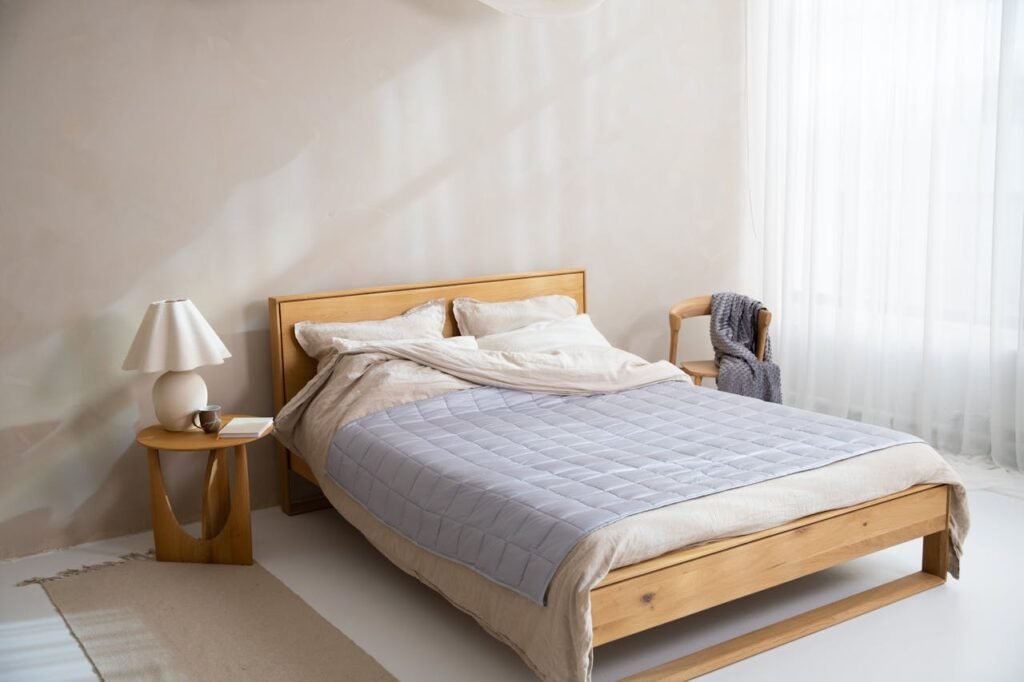
Weighted blankets use deep pressure stimulation to reduce anxiety. However, you must choose the right size. A general weighted blanket weight guide suggests choosing a blanket that is roughly 10% of your body weight. This provides comfort without being restrictive.
Relaxation Techniques
Before you get into bed, try to wind down physically. Practising gentle yoga poses for sleep and relaxation, such as ‘Legs Up the Wall’ or ‘Child’s Pose’, can lower your heart rate. You can find routines on our yoga blog or through Mind.org.uk for stress relief techniques.
Other Considerations
Adjustable Frames
We mentioned adjustable frames earlier. These are excellent for people with sleep apnoea or acid reflux. By elevating the head, you keep airways open. Check our review on adjustable bed benefits.
Air Quality
Do not underestimate the air you breathe. As mentioned, plants help, but keeping humidity low also prevents mites. For detailed advice on allergens, visit Allergy UK.
The Bottom Line
Your mattress is the foundation of your health. If you noticed any of the signs above—sags, pains, noise, or allergies—it is time to invest in a replacement. A new mattress can improve your back support, hygiene, and overall mood.
Remember that a mattress is just one part of the equation. Combining a supportive bed with good habits, such as getting morning sunlight, managing stress, and avoiding alcohol before bed, will yield the best results. Prioritise your sleep today for a healthier tomorrow.