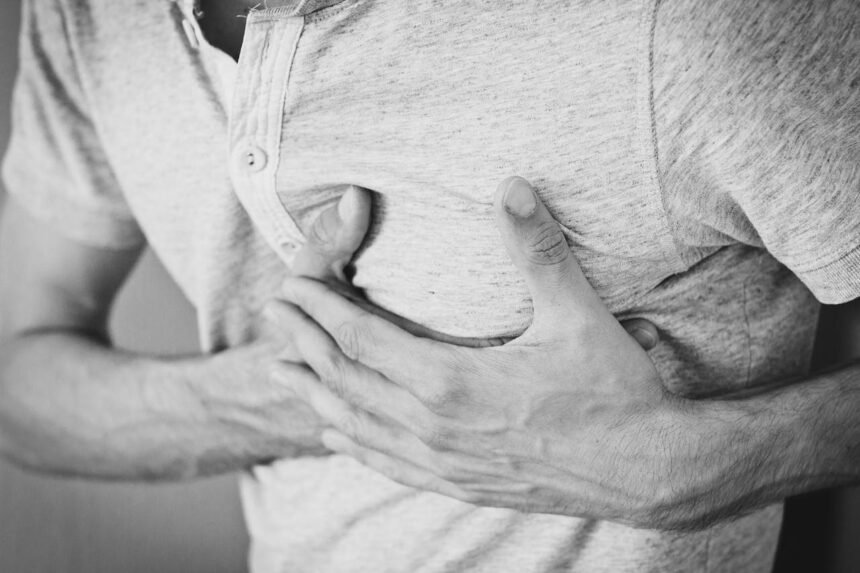
Heart disease remains the number one killer of women in the United States, causing about 1 in 5 female deaths annually. Despite these staggering statistics, many women brush off warning signs because they do not align with the classic symptoms seen in men. Understanding heart attack symptoms women subtlely experience is not just about awareness—it is a matter of life and death.
This article delves beyond the chest pain, exploring the biological reasons for these differences, identifying the silent signals, and providing a guide on when to seek critical medical attention.
The Biological Divide: Why Women Are Different
To understand why symptoms differ, we must look at the physiology of the heart. While men often suffer from blockages in the main coronary arteries, women are more susceptible to complications in the smaller, branching blood vessels of the heart. This condition is known as coronary microvascular disease (MVD).
Because MVD affects the tiny arteries rather than the major highways of blood flow, the crushing chest pain (angina) typical of a major blockage may not occur. Instead, the reduction in blood flow causes a cascade of systemic reactions that feel more like the flu or exhaustion than a cardiac event. The American Heart Association notes that while some women do experience chest pain, it is often less severe and can occur while resting or sleeping, rather than just during physical exertion.
Decoding the Subtle Signals
Recognizing a heart attack in women requires tuning into your body’s whispers rather than waiting for a scream. Here are the most common, yet frequently overlooked, symptoms.
1. Unusual and Extreme Fatigue
One of the most reported prodromal (pre-attack) symptoms in women is profound fatigue. This isn’t the tiredness that comes from a long day at work or a poor night’s sleep. It is often described as a sudden, draining exhaustion where performing simple tasks, like making a bed or walking to the mailbox, feels like climbing a mountain. According to the National Heart, Lung, and Blood Institute, this fatigue can manifest weeks before the actual cardiac event.
2. Shortness of Breath Without Exertion
If you find yourself gasping for air while sitting on the couch or lying in bed, pay attention. In men, shortness of breath usually accompanies the chest pain. In women, it may be the primary symptom. It can feel like you have run a marathon when you haven’t moved, indicating the heart is struggling to pump oxygen-rich blood to the body.
3. Digestive Distress: Nausea and Indigestion
Many women mistake a heart attack for heartburn, the stomach flu, or a peptic ulcer. The inferior wall of the heart sits directly above the stomach. When this area is deprived of oxygen, it can trigger signals that the brain interprets as digestive distress. If you experience sudden, unexplained nausea or vomiting—especially if accompanied by a cold sweat or lightheadedness—it warrants immediate investigation.
4. Pain Beyond the Chest
While the “elephant on the chest” is the classic sign, women are more likely to experience pain that radiates or manifests elsewhere. This is often due to “referred pain,” where nerve signals from the heart confuse the brain. Common areas include:
- The Jaw: An aching sensation that feels like a toothache but has no dental cause.
- The Neck and Throat: A feeling of choking or tightness.
- Upper Back: Pressure or pain between the shoulder blades.
- Arms: While left arm pain is standard, women may experience pain in both arms.

Comparative Analysis: Male vs. Female Presentation
The following table outlines the distinct differences between the “classic” male presentation and the atypical female presentation of a myocardial infarction.
| Feature | Classic Presentation (Common in Men) | Subtle Presentation (Common in Women) |
|---|---|---|
| Chest Sensation | Crushing weight, “elephant” sitting on chest. | Pressure, squeezing, or fullness; sometimes absent entirely. |
| Primary Pain Location | Center of chest, radiating to left arm. | Jaw, neck, upper back (between shoulder blades), or abdomen. |
| Onset | Often sudden and intense during exertion. | Can be gradual; symptoms may wax and wane for days/weeks. |
| Breathing | Shortness of breath accompanying pain. | Shortness of breath often without chest pain. |
| Systemic Symptoms | Sweating, anxiety. | Profound fatigue, nausea, vomiting, dizziness, lightheadedness. |
| Trigger | Physical activity or stress. | Can occur during rest or sleep (nocturnal dyspnea). |
Risk Factors Unique to Women
Standard risk factors like high cholesterol, obesity, and smoking apply to everyone, but women face unique biological hurdles.
Hormonal Changes and Menopause
Estrogen generally offers a protective effect on the heart by helping keep blood vessels flexible. However, after menopause, estrogen levels drop significantly, causing the risk of cardiovascular disease to spike. This is why heart attack rates in women tend to increase roughly 10 years later than in men.
Pregnancy Complications
History matters. Women who experienced high blood pressure during pregnancy (preeclampsia) or gestational diabetes have a significantly higher risk of developing heart disease later in life. Preeclampsia effectively acts as a stress test for the cardiovascular system; failing it can predict future issues.
Autoimmune Diseases
Autoimmune disorders such as lupus and rheumatoid arthritis are far more common in women than men. These conditions cause chronic inflammation, which can damage blood vessels and accelerate the buildup of plaque, according to the Cleveland Clinic.
The “Silent” Heart Attack
It is important to note that some heart attacks are completely silent, presenting no obvious symptoms at all. These are often discovered accidentally during an ECG for another condition. People with Type 2 diabetes are particularly prone to silent heart attacks because high blood sugar can damage the nerves that transmit pain signals (neuropathy).
When to Seek Help: Time is Muscle
The biggest mistake women make is delay. Because the symptoms can be vague—nausea, back pain, fatigue—women often rationalize them away as stress, the flu, or aging. However, in the context of cardiac arrest, the phrase “time is muscle” is literal. Every minute that passes without blood flow causes irreversible damage to the heart muscle.
If you experience any combination of these symptoms for more than 5 minutes, call emergency services immediately. Do not drive yourself to the hospital. Emergency medical technicians (EMTs) can begin treatment upon arrival, which is crucial for survival.
While waiting for help, if you are not allergic, chewing an aspirin can help prevent blood clotting and improve blood flow, though you should follow the specific advice of the emergency dispatcher.
Conclusion
Cardiovascular disease is a global epidemic, recognized by the World Health Organization as the leading cause of death globally. For women, the battle is fought on two fronts: the disease itself and the misconception of how it presents.
Understanding that heart attack symptoms women subtlely display can manifest as jaw pain, nausea, or extreme fatigue is empowering. It shifts the narrative from “it’s probably just stress” to “I need to get checked.” Listen to your body. If something feels wrong—even if it’s quiet, even if it’s subtle—don’t hesitate. Your intuition, combined with medical action, is the most powerful tool you have to protect your heart.