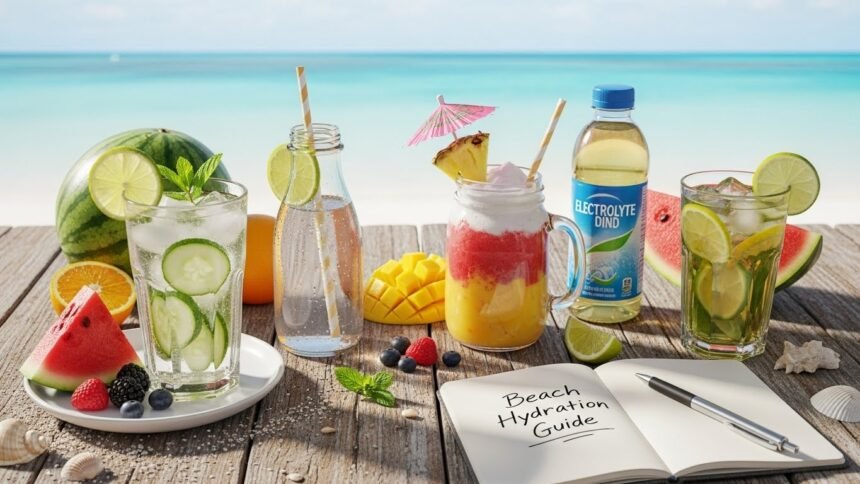
Summer evokes images of golden sands, crashing waves, and the warm embrace of the sun. However, prolonged exposure to high temperatures and UV rays presents significant physiological challenges, primarily centering on dehydration. While most beachgoers pack sunscreen and towels, many overlook the critical component of internal wellness: optimal fluid intake. Understanding the best hydrating drinks for beach wellness is not merely a matter of quenching thirst; it is a vital strategy for maintaining thermoregulation, electrolyte balance, and overall health during outdoor activities.
Dehydration can set in rapidly in coastal environments where sea breezes often mask the sensation of sweating. By the time you feel thirsty, your body is likely already in a deficit. This guide explores the science of hydration, evaluates the most effective beverages for sustaining wellness under the sun, and identifies which liquids to avoid to ensure your beach day remains safe and restorative.
The Physiology of Hydration in High Heat
Before selecting a beverage, it is essential to understand why the beach environment taxes the body’s hydration systems. The combination of direct heat, reflected UV radiation from the sand and water, and humidity forces the body to work harder to cool itself. The primary mechanism for this cooling is perspiration. As sweat evaporates, it removes heat, but it also depletes the body of water and crucial electrolytes like sodium, potassium, and magnesium.
According to the Centers for Disease Control and Prevention (CDC), water helps your body keep a normal temperature, lubricate and cushion joints, and protect your spinal cord. When fluid loss exceeds fluid intake, the volume of blood decreases, forcing the heart to pump faster to deliver oxygen to muscles. This can lead to heat exhaustion or, in severe cases, heat stroke. Therefore, the goal of beach wellness is proactive replenishment.
Water: The Foundation of Hydration
Unsurprisingly, water remains the gold standard for hydration. It is calorie-free, accessible, and essential for every metabolic process. However, for beach wellness, the temperature and mineral content of the water matter.
Plain vs. Mineral Water
While tap or filtered water is sufficient for general hydration, natural mineral water can offer an added benefit. Sourced from underground reservoirs, mineral water contains dissolved solids such as calcium and magnesium, which can aid in replenishing the micronutrients lost through sweat. The Mayo Clinic suggests that while the “eight glasses a day” rule is a good baseline, activity levels and heat exposure significantly increase this requirement.
Infused Water for Palatability
Many individuals struggle to consume adequate volumes of plain water. Infusing water with fruits and herbs is an excellent strategy to increase consumption without adding processed sugars. Slices of cucumber, lemon, lime, or sprigs of mint not only improve flavor but also add trace vitamins. Cucumber, for instance, is 95% water and contains anti-inflammatory compounds, making it a perfect addition to your beach cooler.
The Best Hydrating Drinks for Beach Wellness: Beyond Water
When sweating profusely, water alone may not suffice because it lacks electrolytes. To maintain fluid retention and prevent hyponatremia (low blood sodium), one must consider beverages that offer a functional profile.
1. Coconut Water: Nature’s Sports Drink
Coconut water has gained massive popularity as a premier wellness beverage. It is the clear liquid found inside young, green coconuts. Unlike processed sports drinks, natural coconut water is low in calories and free from artificial colors. It is exceptionally high in potassium, a mineral vital for preventing muscle cramps—a common complaint among swimmers. Research highlighted by the National Institutes of Health (NIH) suggests that coconut water can be as effective as commercial sports drinks for rehydration after exercise, causing less nausea and fullness.
2. Electrolyte-Infused Waters
For those engaging in beach volleyball or long swims, electrolyte-infused waters or tablets are highly effective. These products are formulated to mimic the mineral concentration of human blood, ensuring rapid absorption. The Cleveland Clinic notes that electrolytes are essential for conducting nervous impulses and contracting muscles. Choosing a low-sugar electrolyte solution ensures you get the hydration benefits without the insulin spike associated with sugary sodas.
3. Aloe Vera Juice
Aloe vera is widely known for soothing sunburns, but drinking its juice provides internal cooling properties. Aloe vera juice is dense with antioxidants and vitamins B, C, and E. It supports digestion and helps the body adapt to stress. However, it is potent; mixing it with water or fruit juice is often the best way to consume it. Healthline reports that aloe vera juice is an excellent way to prevent dehydration due to its high water content and nutrient density.
4. Herbal Iced Teas
Caffeine-free herbal teas, such as hibiscus, peppermint, or chamomile, brewed strong and served over ice, are fantastic for hydration. Hibiscus tea, in particular, is rich in electrolytes and has been shown to help lower body temperature. Peppermint offers a refreshing sensation that can help alleviate the feeling of being overheated.
5. Watermelon Juice
Watermelon is approximately 92% water, but it also contains L-citrulline, an amino acid that may help reduce muscle soreness. Pureed watermelon juice retains the fruit’s fiber and nutrients, providing a hydrating slurry that feels substantial and satisfying in the heat. The Academy of Nutrition and Dietetics emphasizes that approximately 20% of our fluid intake comes from food, and watermelon is a top contributor.
Comparison of Hydration Options
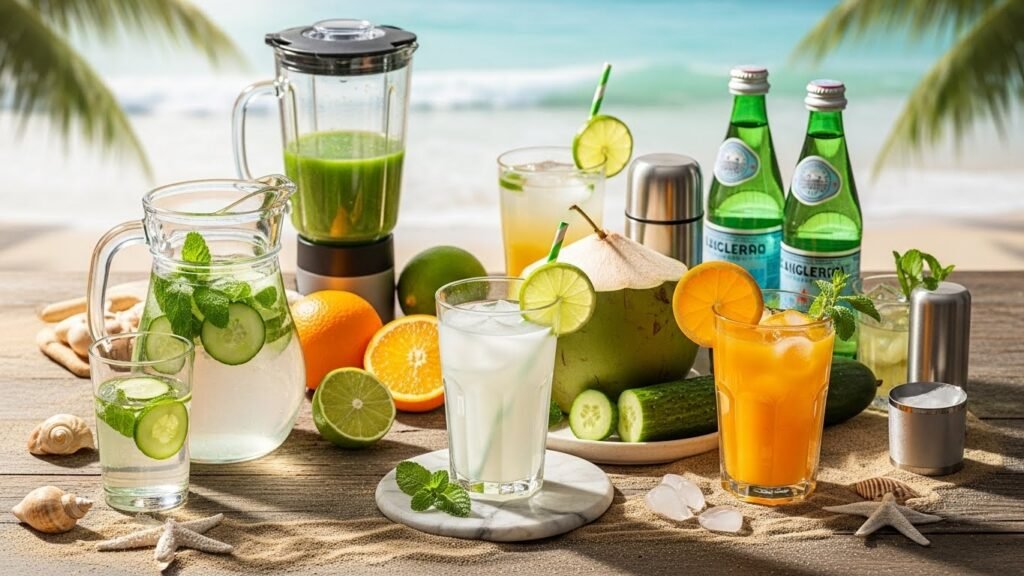
To help you pack your cooler effectively, the following table compares popular beach beverages based on their hydration efficacy and wellness profile.
| Beverage Type | Hydration Efficacy | Electrolyte Content | Sugar Content | Best For… |
|---|---|---|---|---|
| Spring Water | High | Low | None | General baseline hydration throughout the day. |
| Coconut Water | Very High | High (Potassium rich) | Low (Natural) | Replenishing minerals after swimming or sweating. |
| Sports Drinks | Moderate to High | High (Sodium rich) | High (Often added) | Intense physical activity (volleyball/surfing). |
| Herbal Iced Tea | High | Low to Moderate | None (if unsweetened) | Cooling down and relaxation without caffeine. |
| Soda / Soft Drinks | Low | None | Very High | Not recommended; can worsen dehydration. |
| Watermelon Juice | Very High | Moderate | Moderate (Natural) | A nutrient-dense, refreshing snack/drink hybrid. |
Beverages to Avoid: The Dehydration Traps
Identifying the best hydrating drinks for beach wellness also requires knowing what to exclude. Certain beverages act as diuretics, causing the body to lose fluid faster than it absorbs it.
Alcohol
While a cold beer or a tropical cocktail is a common beach trope, alcohol is detrimental to hydration. It inhibits the production of vasopressin, an anti-diuretic hormone, leading to increased urination. This accelerates dehydration and impairs judgment regarding sun safety. The Skin Cancer Foundation warns that alcohol consumption combined with sun exposure significantly increases the risk of heat-related illness.
Sugary Sodas and Energy Drinks
High sugar intake creates a hypertonic environment in the gut, which can actually pull water from the body’s tissues into the intestines to dilute the sugar, leading to “osmotic diarrhea” and further dehydration. Furthermore, the American Heart Association advises limiting added sugars to protect cardiovascular health—a goal that sugary beach drinks often undermine.
Excessive Caffeine
While a morning iced coffee is generally acceptable, consuming large amounts of caffeine throughout a hot day acts as a mild diuretic. If you must have caffeine, ensure you are drinking a 1:1 ratio of water to offset the effects.
Practical Tips for Beach Hydration
- Pre-Hydrate: Start drinking water 2 hours before you arrive at the beach.
- Invest in Insulation: Use double-walled vacuum-insulated stainless steel bottles. Keeping fluids cold encourages more frequent consumption.
- Set a Timer: In the distraction of the waves, it is easy to forget to drink. Set a phone alert every 30 minutes.
- Monitor Urine Color: As noted by WebMD, urine should remain pale yellow. Dark urine is a clear sign of dehydration.
- Eat Your Water: Pack fruits like grapes, oranges, and strawberries alongside your beverages.
Conclusion
Achieving optimal wellness at the beach requires a proactive approach to hydration. While water is the essential baseline, incorporating functional beverages like coconut water, herbal teas, and nutrient-dense fruit juices can significantly enhance your body’s ability to cope with heat and physical exertion. By choosing the best hydrating drinks for beach wellness and avoiding diuretics like alcohol and sugary sodas, you ensure that your time by the ocean is not only enjoyable but also physically restorative. Prioritize your fluid intake, listen to your body, and let hydration be the foundation of your summer health strategy.
Frequently Asked Questions (FAQ)
1. How much water should I drink during a day at the beach?
While individual needs vary based on body weight and activity level, a general guideline is to consume at least 8 ounces (one cup) of water every 15 to 20 minutes while in direct heat. If you are swimming or playing sports, you may need to increase this amount. Always drink before you feel thirsty.
2. Is coconut water better than regular water for hydration?
For high-sweat situations, coconut water can be superior to plain water because it contains natural electrolytes, specifically potassium and magnesium, which help replace what is lost through sweat. However, for general hydration where electrolyte loss is minimal, plain water is sufficient and calorie-free.
3. Can I count iced coffee toward my daily fluid intake?
While coffee is mostly water, caffeine has a mild diuretic effect. One cup is unlikely to cause dehydration, especially if you are accustomed to it. However, relying solely on iced coffee for beach hydration is not recommended. It is best to alternate coffee with water to maintain a positive fluid balance.
4. What are the signs of dehydration to look out for at the beach?
Early signs include dry mouth, extreme thirst, headache, and dizziness. More severe symptoms include confusion, lack of sweating despite the heat, rapid heartbeat, and dark-colored urine. If you or a child exhibits these symptoms, move to the shade immediately and sip water or an electrolyte solution.
5. Are sports drinks necessary for kids at the beach?
Generally, no. For children playing in the sand and wading, water and water-rich snacks (like melon) are usually sufficient. Sports drinks often contain high amounts of added sugar and dyes. According to Harvard T.H. Chan School of Public Health, water is the best choice for children to prevent excess caloric intake, reserving sports drinks only for very intense, prolonged athletic exertion.