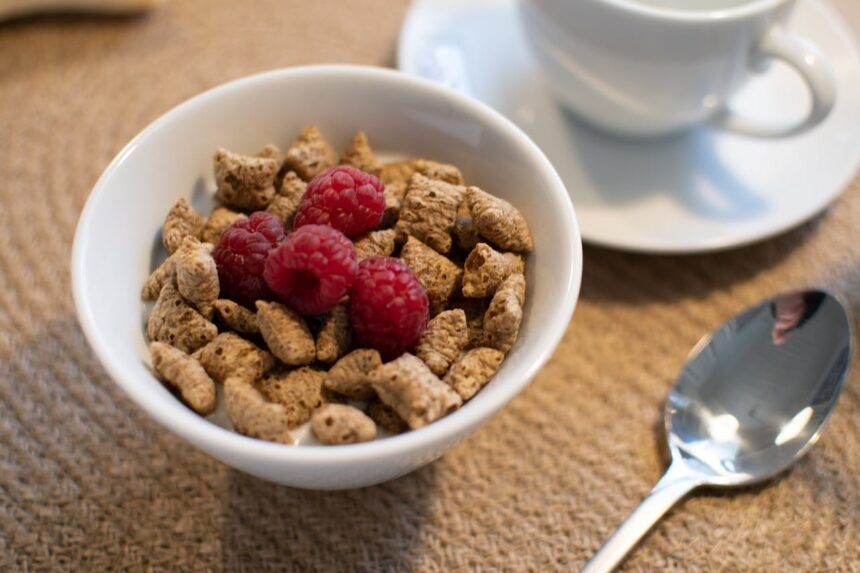
For decades, the concept of snacking has been shrouded in misconception. Many view the act of eating between meals as a dietary vice—a guaranteed way to derail progress and accumulate unwanted pounds. However, nutrition science tells a different story. When approached strategically, snacking is not just permissible; it can be a powerful tool in your metabolic arsenal.
Finding healthy snack ideas for fat loss isn’t about restriction; it is about regulating blood sugar, managing appetite hormones, and providing a steady stream of nutrients to your body. This comprehensive guide will explore the physiology of smart snacking and provide you with actionable, delicious, and science-backed options to fuel your journey.
The Physiology of Snacking: Why It Matters
To understand why we snack, we must look at how the body regulates energy. When you go too long between meals (typically more than 4-5 hours), your blood glucose levels drop. This triggers a physiological stress response, releasing cortisol and increasing cravings for high-sugar, high-fat “quick fixes.”
According to the Centers for Disease Control and Prevention (CDC), adopting strategies for healthy weight loss involves recognizing hunger cues and avoiding the starvation mode that leads to binge eating.
The Hormonal Balance
Successful fat loss depends heavily on two hormones: Ghrelin (the hunger hormone) and Leptin (the satiety hormone).
- Ghrelin: Signals your brain that it is time to eat.
- Leptin: Signals your brain that you are full.
Strategic snacking helps keep Ghrelin levels manageable, preventing the ravenous hunger that leads to poor decision-making at dinner time. Furthermore, studies published by the National Institutes of Health (NIH) suggest that regulating satiety hormones through nutrient-dense foods is critical for long-term weight management.
The Three Pillars of a Fat-Loss Snack
Not all snacks are created equal. A bag of pretzels and a hard-boiled egg may have similar calorie counts, but their metabolic impact is vastly different. To curate effective healthy snack ideas for fat loss, aim for the “Satiety Trifecta”:
- Protein: It has the highest Thermic Effect of Food (TEF), meaning your body burns more calories digesting protein than fats or carbs.
- Fiber: It slows digestion and stabilizes blood sugar. The Mayo Clinic emphasizes that dietary fiber is essential for feeling full on fewer calories.
- Healthy Fats: These delay gastric emptying, keeping you satisfied for longer.
Comparison: Traditional Snacks vs. Optimized Fat Loss Snacks
The following table illustrates the difference between what is often marketed as “healthy” versus snacks that actually support fat loss physiology.
| Snack Item | Calories (approx.) | Protein (g) | Fiber (g) | Satiety Score | Metabolic Impact |
|---|---|---|---|---|---|
| Granola Bar (Commercial) | 180 | 2g | 1g | Low | Spikes insulin; hunger returns quickly. |
| Greek Yogurt (Plain) + Berries | 160 | 18g | 3g | High | High TEF; stabilizes blood sugar. |
| Pretzel Pack (100 cal) | 100 | 2g | 0.5g | Low | Rapid digestion; low nutrient density. |
| Hard Boiled Eggs (2) | 140 | 12g | 0g | High | Excellent amino acid profile; suppress appetite. |
| Fruit Smoothie (Store-bought) | 250 | 2g | 1g | Medium | High sugar load; liquid calories lack satiety. |
| Apple + 1 tbsp Almond Butter | 190 | 4g | 5g | High | Fiber/Fat combo creates sustained energy. |
Top Healthy Snack Ideas for Fat Loss
Here are some concrete, easy-to-prepare snacks categorized by their primary benefits.
1. The Protein Powerhouses
Protein is the king of nutrients for fat loss. It preserves lean muscle mass while you are in a caloric deficit.
- Greek Yogurt with Flaxseeds: Greek yogurt provides casein and whey protein. Adding flaxseeds boosts the Omega-3 content. Learn more about the role of protein from the Harvard T.H. Chan School of Public Health.
- Cottage Cheese and Cucumber Rounds: Low in calories but high in volume and protein. The water content in cucumbers adds hydration.
- Edamame: These young soybeans are a rare plant-based complete protein, offering all nine essential amino acids.
2. The Fiber-Rich Fillers
Fiber expands in the stomach and slows the absorption of sugar into the bloodstream.
- Raspberries and Walnuts: Raspberries have one of the highest fiber counts of any fruit (8g per cup). Pair them with walnuts for a brain-boosting snack. The American Heart Association notes the cardiovascular benefits of nuts when consumed in moderation.
- Hummus and Raw Veggies: Skip the pita chips and use bell peppers, carrots, or snap peas as vessels. You get the crunch without the refined carbohydrates.
- Chia Seed Pudding: Chia seeds absorb liquid and form a gel-like consistency that is incredibly satiating.
3. The Healthy Fats
Don’t fear fat; fear processed fat. Monounsaturated and polyunsaturated fats are vital for hormone production.
- Avocado on Whole Grain Cracker: Avocados are rich in oleic acid, a fat associated with reduced inflammation.
- Hard-Boiled Eggs: The yolk contains vital nutrients like choline. While they contain fat, they are a complete food source.
- Almonds (Portion Controlled): A small handful (approx. 23 almonds) helps regulate blood sugar.
The Importance of Glycemic Control
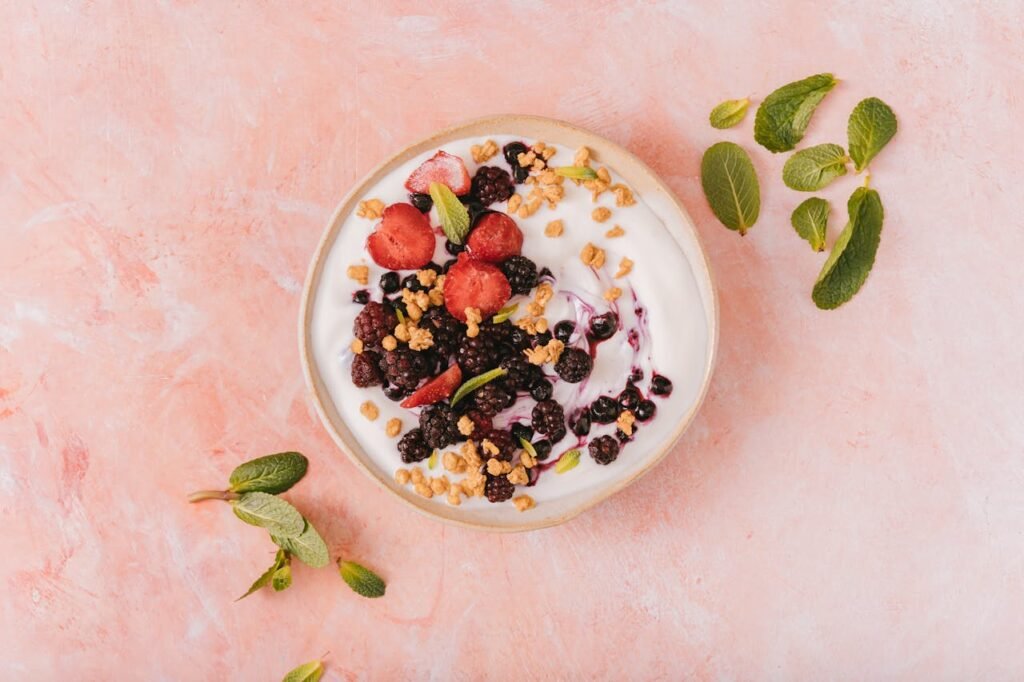
When selecting healthy snack ideas for fat loss, consider the Glycemic Index (GI). Low-GI foods release glucose slowly. High-GI foods (like rice cakes or crackers) cause a spike followed by a crash, leading to lethargy and renewed hunger.
Referencing the University of Sydney’s GI Database, understanding the glycemic index of your snacks can prevent the insulin spikes that signal your body to store fat.
Mindful Snacking: It’s Not Just What You Eat, But How
You can eat the healthiest food in the world, but if you eat it while distracted or stressed, you may miss your body’s satiety signals.
- Portion Control: Never eat directly from the bag. Measure your serving to avoid “portion distortion.”
- Slow Down: It takes about 20 minutes for your brain to register fullness.
- Ask “Why?”: Are you hungry, or are you bored?
Practicing mindful eating can fundamentally change your relationship with food, moving you from reactive eating to proactive fueling.
Hydration: The Hidden Factor
Often, the brain confuses thirst for hunger. Before reaching for a snack, drink a glass of water. Mild dehydration can lower metabolism and drain energy.
Johns Hopkins Medicine highlights the importance of hydration in lipolysis (the process of burning fat).
Avoiding the “Health Halo” Trap
Be wary of ultra-processed foods that claim to be healthy. Protein bars often contain sugar alcohols and artificial preservatives that can cause bloating and cravings. The National Health Service (NHS) warns against over-reliance on processed foods, even those marketed as diet-friendly.
Quick Tips for Success
- Meal Prep Snacks: Cut veggies and boil eggs on Sunday.
- Read Labels: If sugar is in the top 3 ingredients, skip it.
- Keep it Simple: Whole foods (an apple, a handful of nuts) are usually superior to packaged goods.
Conclusion
Snacking does not have to be the enemy of your waistline. By choosing healthy snack ideas for fat loss that prioritize protein, fiber, and healthy fats, you can stabilize your energy levels, control cravings, and actually accelerate your progress.
Remember, the goal is to fuel your body, not just fill it. Next time the afternoon slump hits, skip the vending machine and opt for a choice that serves your long-term health goals. Your metabolism will thank you.
Ready to transform your diet? Start by swapping just one processed snack a day for one of the whole-food options listed above.