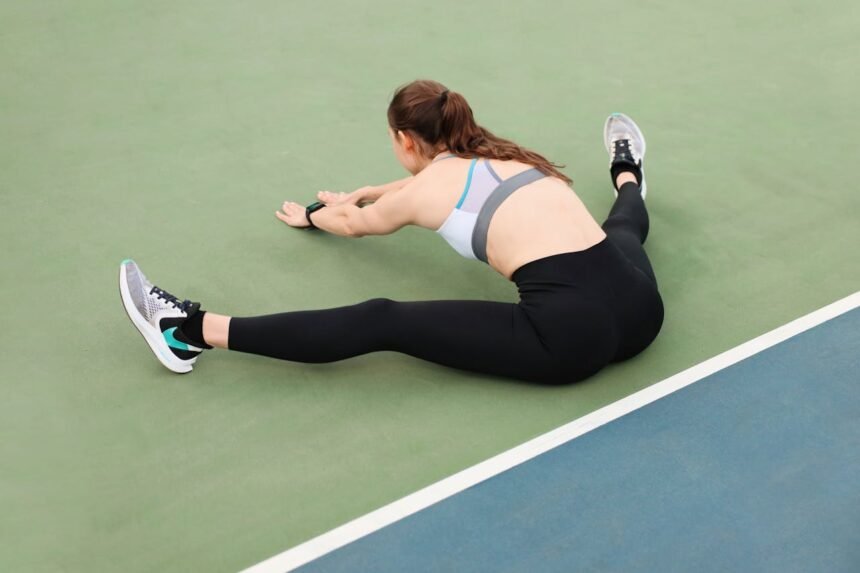
When most people decide to embark on a weight loss journey, they often visualize grueling hours at the gym, sweat-drenched high-intensity interval training (HIIT) sessions, and pushing their bodies to the absolute limit. This “no pain, no gain” mentality is not only daunting but often counterproductive for those just starting out. The truth is, consistency beats intensity, especially when establishing a new lifestyle. For those seeking sustainable results without the burnout, incorporating gentle exercises for fat loss beginners is often the most effective strategy.
This guide explores the science behind low-impact movement, provides actionable routines, and demonstrates how you can shed body fat without destroying your joints or your motivation.
The Science of Gentle Movement: Why Less Can Be More
Before diving into specific exercises, it is crucial to understand why gentle movement is effective for fat loss. High-intensity workouts spike cortisol—the stress hormone—which, when chronically elevated, can actually hinder fat loss and lead to water retention. Conversely, low-impact steady-state (LISS) cardio helps regulate blood sugar and improves metabolic health without placing excessive stress on the adrenal system.
Furthermore, a significant portion of daily calorie expenditure comes from Non-Exercise Activity Thermogenesis (NEAT). According to scientific literature, NEAT includes all the calories you burn by moving around that isn’t dedicated “exercise,” such as walking to the car, typing, or gardening. By focusing on increasing general movement rather than just one hour of intense gym time, you create a more sustainable calorie deficit.
The Importance of Consistency
The Centers for Disease Control and Prevention (CDC) recommends at least 150 minutes of moderate-intensity activity per week. This sounds like a lot, but when broken down into gentle, manageable sessions, it becomes a lifestyle rather than a chore. The best exercise for fat loss is the one you will actually do repeatedly.
1. Walking: The Ultimate Fat-Burning Foundation
Walking is arguably the most underrated tool in the fat loss arsenal. It requires no equipment, can be done anywhere, and has an incredibly low barrier to entry. It is pure aerobic conditioning that utilizes fat as a primary fuel source.
- Technique Matters: Maintain good posture with your head up and shoulders back. Engage your core gently as you walk.
- Progression: Start with 15 minutes a day. Gradually increase the duration or the pace. Aiming for a “brisk” pace means you can talk but not sing.
According to Harvard Health Publishing, walking can help reduce cravings for sugary snacks and boosts immune function, making it a dual-threat for health and weight management.
2. Water Aerobics and Swimming
For individuals carrying significant excess weight or those with joint issues, gravity can be an enemy. Water buoyancy reduces body weight by approximately 90%, allowing you to move fluidly without impact stress.
- Swimming Laps: Even a slow breaststroke burns a significant amount of calories due to the resistance of the water.
- Water Walking: Simply walking in chest-deep water provides resistance training and cardio simultaneously.
The Arthritis Foundation highlights that aquatic exercises can improve range of motion and decrease pain, allowing for longer duration workouts compared to land-based exercises.
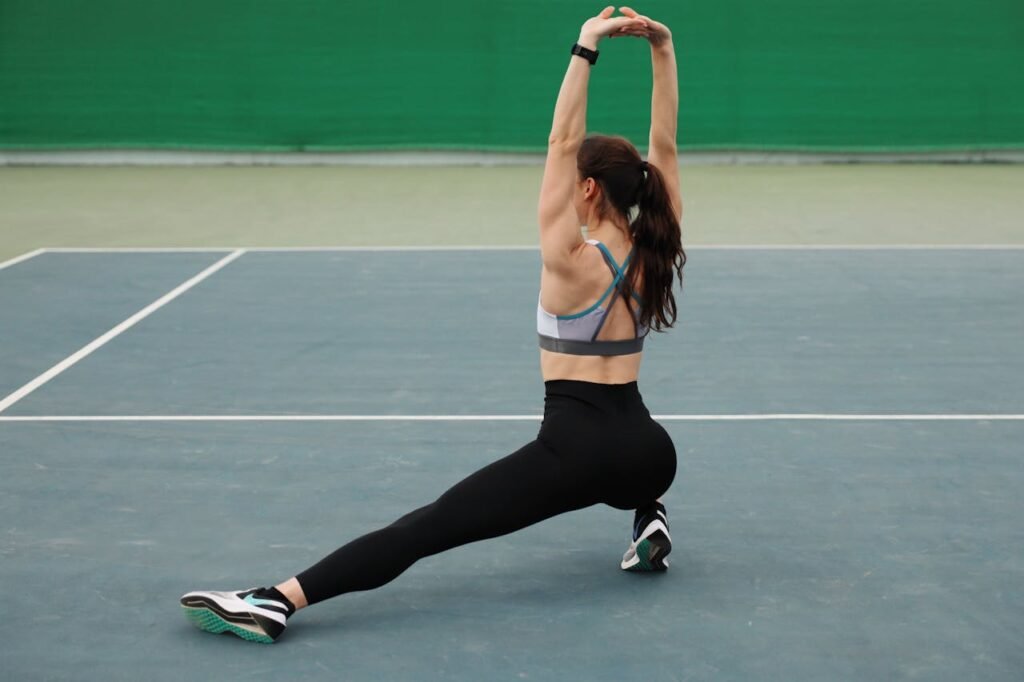
3. Yoga and Pilates: Mind-Body Connection
While often viewed as merely stretching, Yoga and Pilates are powerful gentle exercises for fat loss beginners. They build lean muscle mass, which increases your resting metabolic rate (RMR).
- Hatha Yoga: A slower-paced style perfect for beginners focused on holding poses.
- Pilates: Focuses heavily on the core, posture, and alignment.
Research from the National Center for Complementary and Integrative Health (NCCIH) suggests that yoga helps with stress management, mindfulness, and weight loss maintenance by reducing emotional eating triggers.
Comparative Analysis of Gentle Exercises
To help you choose the right starting point, we have compiled a comparison of common low-impact exercises based on calorie burn and accessibility.
| Exercise Type | Est. Calories/Hour (155 lb person) | Joint Impact | Equipment Needed | Primary Benefit |
|---|---|---|---|---|
| Brisk Walking (3.5 mph) | ~280 | Low | Good Shoes | Cardiovascular Health, Convenience |
| Hatha Yoga | ~220 | Low | Yoga Mat | Flexibility, Stress Reduction, Core Strength |
| Swimming (Light/Moderate) | ~400+ | Very Low | Pool Access | Full Body Resistance, Cooling |
| Stationary Cycling | ~250-300 | Low | Bike/Gym | Lower Body Strength, Knee-Friendly |
| Elliptical Trainer | ~320 | Low | Gym Machine | Cardio w/o Impact, Upper/Lower Coordination |
Note: Calorie estimates are approximations and vary based on intensity and individual physiology.
4. Cycling: Low Impact, High Reward
Whether outdoors or on a stationary bike, cycling is fantastic for building leg strength and cardiovascular endurance without the pounding associated with running. The Cleveland Clinic notes that cycling builds muscle in the glutes, quads, and hamstrings, which are the largest muscle groups in the body. Developing these muscles helps burn more calories even when you are at rest.
5. Bodyweight Strength Training
“Gentle” does not mean you cannot lift. Resistance training is vital for fat loss because muscle tissue burns more calories than fat tissue. Beginners can start with simple bodyweight movements:
- Chair Squats: Sit down and stand up from a sturdy chair without using your hands.
- Wall Push-ups: Perform a push-up against a wall rather than the floor to reduce gravity’s load.
- Glute Bridges: Lying on your back, lift your hips toward the ceiling.
The American Council on Exercise (ACE) provides extensive libraries on how to perform these movements safely to avoid injury.
Nutrition and Sleep: The Silent Partners
Even the best gentle exercises for fat loss beginners will not yield results if nutrition and recovery are ignored. You cannot out-exercise a poor diet.
The Role of Sleep
Lack of sleep disrupts the balance of ghrelin (hunger hormone) and leptin (satiety hormone). The Sleep Foundation reports that sufficient sleep is essential for metabolic regulation. Aim for 7-9 hours per night to support your fat loss efforts.
Dietary Considerations
Focus on whole foods, lean proteins, and plenty of vegetables. Consult the Mayo Clinic’s guide to weight loss for balanced nutritional advice that prioritizes health over fad diets.
Structuring Your Routine
To succeed, you need a plan. Here is a sample weekly schedule for a beginner:
- Monday: 20 Minutes Brisk Walking
- Tuesday: 20 Minutes Gentle Yoga or Stretching
- Wednesday: 20 Minutes Swimming or Water Aerobics
- Thursday: Active Rest (Light gardening or NEAT activities)
- Friday: 20 Minutes Stationary Cycling
- Saturday: 30 Minutes Nature Walk
- Sunday: Rest
Overcoming Mental Hurdles
Starting is often the hardest part. You may feel self-conscious or discouraged by how “little” you are doing compared to fitness influencers on social media. Remember, the American Heart Association emphasizes that some physical activity is better than none. By choosing gentle exercises, you are protecting your body and ensuring longevity.
Conclusion: Your Journey Begins Today
Fat loss does not require you to suffer. By integrating gentle exercises for fat loss beginners into your daily routine, you are building a foundation of health that will last a lifetime. Whether it is walking the dog, taking a swim, or practicing yoga in your living room, every movement counts.
Do not wait for the “perfect” time or the “perfect” body to start moving. Start gentle, stay consistent, and watch your body transform. If you have any pre-existing health conditions, always remember to consult with a healthcare professional before starting a new regimen.
Ready to get moving? Put on your walking shoes and take that first step today—your future self will thank you.