
Looking in the mirror and noticing an uneven skin tone can be frustrating. Whether they appeared after a summer vacation, lingered after a breakout, or seemed to surface out of nowhere, facial hyperpigmentation is one of the most common dermatological concerns worldwide. While harmless, these spots often drive people to spend significant time and money searching for a cure.
To effectively clear your complexion, you must first understand the biology behind the discoloration. This comprehensive guide will explore exactly what causes dark spots on face and how to treat them, providing you with science-backed solutions to restore your skin’s radiance.
The Science of Spots: What is Hyperpigmentation?
Before diving into remedies, it is helpful to understand the mechanism of your skin. Dark spots are the result of the overproduction of melanin, the pigment responsible for giving your skin, hair, and eyes their color. Melanin is produced by specialized cells called melanocytes.
Usually, these cells distribute pigment evenly. However, when triggered by external or internal factors, they can become hyperactive, dumping excess pigment into the deeper layers of the dermis or the epidermis. According to Wikipedia, this darkening of an area of skin or nails is generally caused by an increase in melanin.
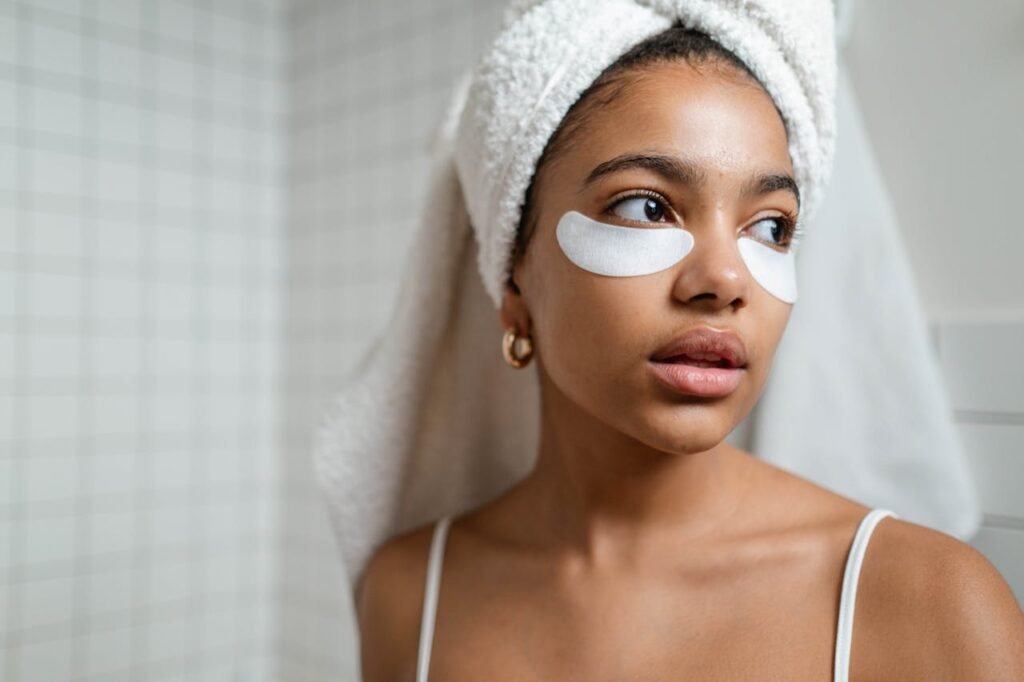
What Causes Dark Spots on Face? (The “Why”)
Identifying the root cause is the first step in determining the right treatment plan. Generally, facial hyperpigmentation falls into three main categories.
1. Sun Exposure (Solar Lentigines)
Often referred to as “age spots” or “liver spots,” these are the most common form of hyperpigmentation. The Skin Cancer Foundation notes that ultraviolet (UV) radiation is the primary external cause of skin damage. When UV rays hit your face, your skin produces melanin as a defense mechanism to protect cellular DNA. Over time, accumulated sun damage results in clustered, permanent dark spots.
2. Hormonal Changes (Melasma)
Melasma is characterized by larger patches of darkened skin, often appearing on the forehead, cheeks, and upper lip. It is strongly linked to hormonal fluctuations, particularly estrogen and progesterone. This condition is frequently seen in pregnant women (often called the “mask of pregnancy”) or those taking oral contraceptives. The American Academy of Dermatology (AAD) highlights that while melasma can fade after hormones stabilize, it is notoriously difficult to treat and requires strict sun protection.
3. Post-Inflammatory Hyperpigmentation (PIH)
If you have ever popped a pimple and been left with a dark mark long after the infection is gone, you have experienced PIH. This occurs as a result of injury or inflammation to the skin. Acne, eczema, psoriasis, or even aggressive professional treatments can trigger melanocytes to leave behind a pigment deposit during the healing process. According to the Cleveland Clinic, this type of pigmentation is more prevalent in individuals with darker skin tones.
How to Treat Dark Spots: Top Ingredients and Procedures
Once you have identified the cause, the next logical question is: what causes dark spots on face and how to treat them effectively? Treatment generally falls into two buckets: topical ingredients and professional procedures.
Topical Powerhouses
Consistency is key with topical treatments. It often takes 8 to 12 weeks to see visible results.
- Vitamin C: A potent antioxidant that blocks tyrosinase (an enzyme needed for melanin production) and brightens the complexion. Harvard Health confirms that Vitamin C can inhibit melanin production while protecting against future sun damage.
- Retinoids: Derivatives of Vitamin A, retinoids accelerate cell turnover, shedding pigmented cells faster. They also stimulate collagen. Using retinoids requires patience and sun protection, as they can increase sun sensitivity.
- Hydroquinone: Often considered the gold standard for depigmentation, it works by bleaching the skin and slowing melanin production. However, it should be used under a doctor’s supervision due to potential side effects like ochronosis (bluish-black discoloration).
- Azelaic Acid: A gentler alternative that is safe for use during pregnancy and effective against both PIH and acne bacteria.
- Niacinamide: A form of Vitamin B3 that prevents the transfer of pigment within the skin cells. PubMed studies have shown its efficacy in significantly decreasing hyperpigmentation and increasing skin lightness.
Professional Dermatological Treatments
For stubborn spots that resist topical creams, professional intervention may be necessary.
- Chemical Peels: Acids (like glycolic or salicylic acid) are applied to the skin to exfoliate the top layers, revealing fresh skin underneath. The Mayo Clinic explains that peels can treat various levels of skin damage depending on their depth.
- Laser Therapy: Intense Pulsed Light (IPL) and fractional lasers target melanin specifically to break up pigment.
- Microdermabrasion: A minimally invasive procedure that gently sands away the thick outer layer of the skin.
Comparison of Treatment Options
To help you decide which route to take, here is a breakdown of common treatments, their approximate costs, and recovery times.
| Treatment Type | Mechanism of Action | Approx. Cost (Per Session) | Downtime | Best For |
|---|---|---|---|---|
| Topical Retinoids | Increases cell turnover | $20 – $150 (varies by brand) | None (potential peeling) | Acne scars, general aging |
| Chemical Peel | Chemical exfoliation of epidermis | $150 – $600 | 1 – 7 Days | Melasma, sun spots, texture |
| IPL Photofacial | Light energy targets pigment | $300 – $600 | 1 – 2 Days | Sun damage, redness |
| Microneedling | Collagen induction therapy | $200 – $700 | 2 – 3 Days | Acne scars (PIH), texture |
| Laser Resurfacing | Removes skin layer by layer | $1,000 – $3,000 | 1 – 2 Weeks | Deep pigmentation, stubborn spots |
Prevention: The First Line of Defense
Treating hyperpigmentation without sun protection is like trying to bail out a boat with a hole in the bottom. The sun triggers melanocytes instantly.
According to the U.S. Food and Drug Administration (FDA), you should use a broad-spectrum sunscreen with an SPF of at least 15 (though dermatologists recommend 30 or higher) every single day, regardless of the weather.
Tips for Prevention:
- Wear protective clothing: Hats and sunglasses reduce UV exposure.
- Avoid picking: To prevent PIH, keep your hands off blemishes.
- Blue Light protection: Recent research suggests visible light from screens may exacerbate melasma. Iron oxide-containing sunscreens can help block this light.
When to See a Dermatologist
While most dark spots are cosmetic, some can be dangerous. It is crucial to distinguish between a harmless sun spot and melanoma, a serious form of skin cancer. The Centers for Disease Control and Prevention (CDC) recommends using the “ABCDE” rule to evaluate spots:
- Asymmetry
- Border irregularity
- Color changes
- Diameter (larger than a pea)
- Evolving (changing over time)
If you notice any of these signs, consult a professional immediately. Furthermore, if you are unsure about what causes dark spots on face and how to treat them in your specific case, a board-certified dermatologist can offer a diagnosis and a prescription-strength plan tailored to your skin type.
Conclusion
Hyperpigmentation is a journey, not a sprint. Whether you are dealing with the aftermath of a breakout, the shadow of hormonal changes, or years of sun worship, clarity is possible. By combining daily sun protection with proven active ingredients like Vitamin C and Retinol, you can fade existing spots and prevent new ones from forming.
Remember, your skin is unique. Be patient with your routine, and don’t hesitate to seek professional guidance from resources like MedlinePlus or a local specialist to ensure you are treating your skin safely and effectively. Start your journey to a brighter, more even complexion today.