We have all heard the age-old adage, “An apple a day keeps the doctor away.” However, recent advancements in dermatological science suggest that this humble fruit might do more than just sustain your internal health; it may be the key to a radiant, youthful complexion. At the heart of this benefit lies a potent group of phytochemicals known as bioflavonoids. Specifically, apple bioflavonoids skin health benefits are becoming a focal point for researchers and skincare enthusiasts alike, offering a natural solution to combat aging, inflammation, and environmental damage.
In this comprehensive guide, we will explore the science behind apple-derived antioxidants, specifically focusing on compounds like Quercetin and Phloretin, and how they contribute to a resilient skin barrier and a natural glow.
The Science of Bioflavonoids: More Than Just Nutrition
Bioflavonoids, often simply called flavonoids, are a class of polyphenolic secondary metabolites found in plants. They are responsible for the vibrant colors in fruits and vegetables and play a crucial role in protecting plants from oxidative stress. When applied to human physiology, these compounds act as powerful antioxidants.
According to the Linus Pauling Institute, flavonoids possess significant anti-inflammatory, antiallergic, and antiviral properties. In the context of apples (Malus domestica), the highest concentration of these beneficial compounds is found in the peel. Discarding the skin of the apple means throwing away the majority of its skincare potential.
Key Apple Bioflavonoids
- Quercetin: A abundant flavonoid that fights free radical damage.
- Phloretin: A dihydrochalcone found almost exclusively in apples and apple tree bark, known for its ability to penetrate the skin deeply.
- Catechins: Similar to those found in green tea, providing soothing anti-inflammatory effects.
Combatting Oxidative Stress and Premature Aging
The primary enemy of youthful skin is oxidative stress caused by free radicals—unstable atoms that damage cells, causing illness and aging. Free radicals are generated by pollution, UV radiation, and even natural metabolic processes. When the load of free radicals exceeds the body’s antioxidant capacity, oxidative stress occurs, leading to the breakdown of collagen and elastin.
Apple bioflavonoids skin health regimens focus on neutralizing these free radicals. By donating an electron to the unstable molecules, flavonoids stabilize them without becoming unstable themselves. This process effectively halts the chain reaction of cellular damage. Research highlighted by the National Institutes of Health (NIH) suggests that topical application of antioxidants can significantly reduce the visible signs of aging, such as fine lines and wrinkles.
Phloretin: The Apple’s Secret Weapon
While Quercetin is found in many foods, Phloretin is unique to apples and is a superstar in high-end skincare formulations. Its molecular structure allows it to improve the penetration of other beneficial ingredients into the skin. Furthermore, Phloretin has been shown to inhibit the activity of elastase, an enzyme that breaks down elastin.
By preserving elastin, Phloretin helps maintain skin firmness and bounce. A study published on ScienceDirect confirms its efficacy not only as an antioxidant but also as a pigment-regulating agent, helping to fade dark spots and hyperpigmentation.
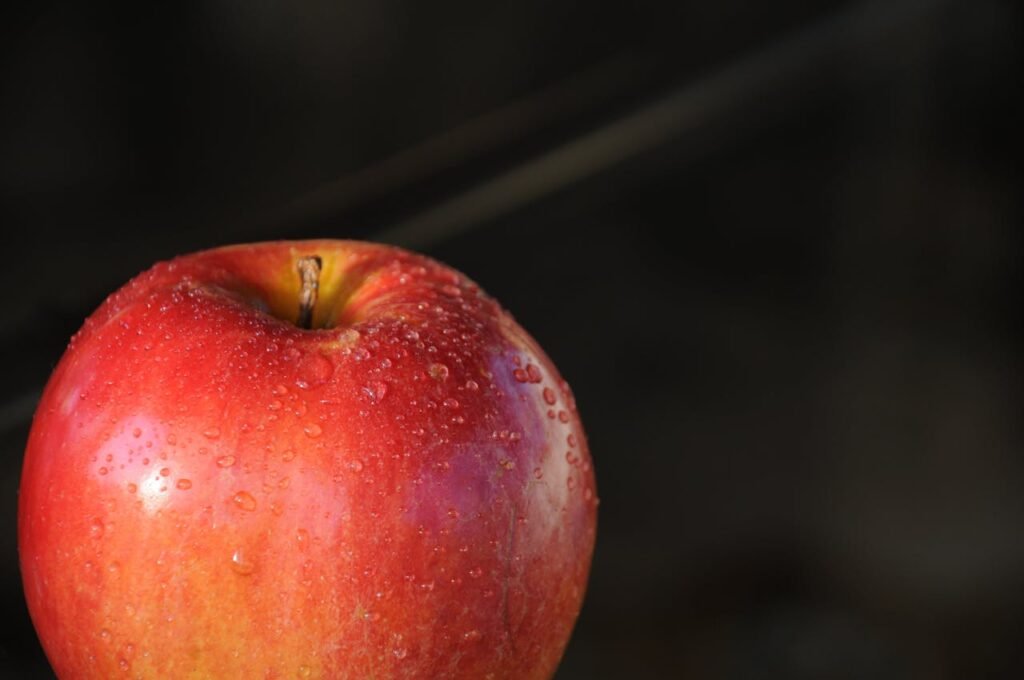
Comparative Analysis: Apple Bioflavonoids vs. Common Ingredients
To understand the unique position of apple bioflavonoids in the skincare market, it is helpful to compare them with other standard skincare ingredients.
| Feature/Benefit | Apple Bioflavonoids (Phloretin/Quercetin) | Vitamin C (L-Ascorbic Acid) | Hyaluronic Acid | Retinol |
|---|---|---|---|---|
| Primary Function | Antioxidant & Penetration Enhancer | Brightening & Collagen Synthesis | Hydration & Moisture Retention | Cell Turnover & Anti-Aging |
| Skin Penetration | High (Phloretin aids penetration) | Low to Moderate (pH dependent) | Variable (depends on molecular weight) | High |
| Stability | Moderate to High | Low (Oxidizes quickly) | High | Low (Light sensitive) |
| Irritation Potential | Low (Generally soothing) | Moderate (can sting) | None | High (skin purging) |
| UV Protection | Protects against UV-induced damage | Protects against UV-induced damage | None | Increases UV sensitivity |
Collagen Synthesis and Skin Elasticity
Collagen is the structural protein that holds our skin together. As we age, collagen production naturally declines, leading to sagging skin. While bioflavonoids are not proteins themselves, they create the optimal environment for collagen synthesis.
Vitamin C is essential for collagen production, but it is highly unstable. Apple bioflavonoids, particularly Quercetin, work synergistically with Vitamin C, stabilizing it and recycling oxidized Vitamin C back into its active form. This synergy ensures that the skin has the necessary tools to repair itself. Information from WebMD emphasizes that maintaining collagen levels is critical for preventing the “hollow” look associated with aging.
Natural UV Defense and Brightening
It is important to clarify that no antioxidant replaces the need for a broad-spectrum sunscreen. However, apple bioflavonoids skin health products act as a second line of defense. They mitigate the inflammatory response caused by UV rays that manage to bypass sunscreen filters.
Furthermore, bioflavonoids help inhibit tyrosinase, the enzyme responsible for melanin production. Overactivity of tyrosinase leads to sun spots and uneven skin tone. By regulating this enzyme, apple extracts promote a brighter, more even complexion. The American Academy of Dermatology recommends using antioxidants in conjunction with sunscreen for maximum protection against photoaging.
Dietary vs. Topical: How to Get Your Glow
To truly harness the power of apple bioflavonoids, a dual approach is often best: internal consumption and external application.
Dietary Consumption
Eating whole apples—specifically Red Delicious and Granny Smith varieties—ensures you receive a systemic dose of antioxidants. According to Harvard T.H. Chan School of Public Health, apples are a top source of dietary flavonoids in the US and European diet. Remember to wash organic apples and eat the peel to maximize nutrient intake.
Topical Application
For targeted results, look for serums and creams containing Pyrus Malus (Apple) Fruit Extract or specifically listed Phloretin. These formulations deliver high concentrations directly to the dermis where they are needed most. When choosing products, ensure they are packaged in opaque, air-tight containers to maintain the stability of the antioxidants, a standard emphasized by the FDA’s cosmetics guidelines.
Conclusion: A Holistic Approach to Radiance
The pursuit of healthy skin is often complicated by synthetic chemicals and complex routines. However, the science supporting apple bioflavonoids skin health brings us back to nature’s intelligence. By leveraging the power of Phloretin and Quercetin, we can protect our skin from the environment, support collagen structures, and reduce inflammation effectively.
Whether you are biting into a crisp apple or applying a Phloretin-rich serum, you are utilizing a powerful, natural defense system. As the skincare industry continues to evolve, the apple remains a testament to the fact that sometimes, the best beauty secrets are found in the orchard, not just the laboratory.
Ready to transform your skin’s resilience? Start by inspecting your skincare labels for apple extracts or Phloretin today, and don’t forget to grab a fresh apple on your next grocery run.