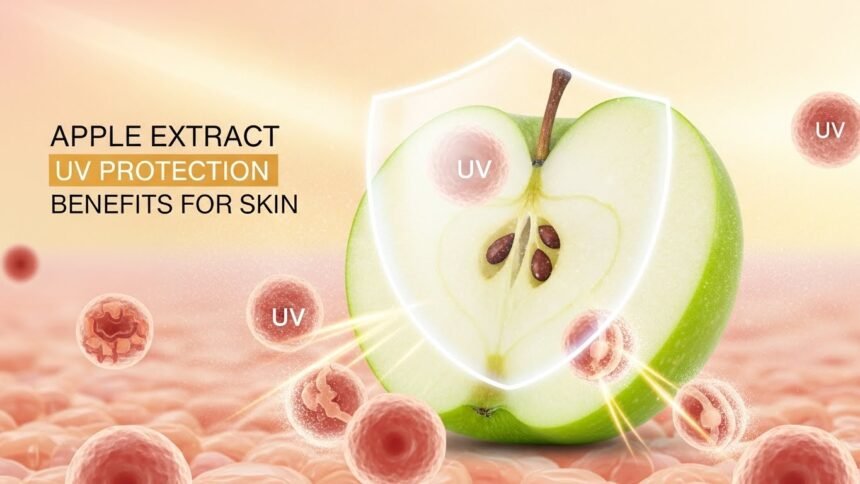
In the realm of modern dermatology and cosmetology, the quest for eternal youth often leads us back to the orchards of antiquity. While synthetic compounds have dominated the skincare narrative for decades, there is a resurgence of interest in botanical ingredients that offer potent biological activity. Among these, the humble apple (Pyrus malus) has emerged as a powerhouse ingredient. Specifically, the apple extract UV protection benefits are garnering significant attention from researchers and skincare enthusiasts alike.
While apple extract is not a replacement for your SPF 50 sunscreen, its ability to mitigate the cellular damage caused by ultraviolet radiation makes it an indispensable ally in the fight against photoaging. This article delves into the science behind apple-derived compounds, their antioxidant mechanisms, and how they serve as a secondary line of defense for your skin.
The Invisible Threat: Understanding UV Damage and Oxidative Stress
To understand why apple extract is valuable, we must first understand the enemy: Ultraviolet (UV) radiation. The sun emits distinct types of rays that reach the earth, primarily UVA and UVB. According to the Skin Cancer Foundation, UVA rays penetrate deep into the dermis, causing premature aging and wrinkling, while UVB rays damage the superficial layers, leading to sunburn.
Both types of radiation trigger a cascade of oxidative stress. When UV light hits the skin, it generates Reactive Oxygen Species (ROS)—unstable molecules, often called free radicals, that steal electrons from healthy cells. This theft damages DNA, proteins (like collagen), and lipids, leading to the visible signs of aging.
This is where antioxidants enter the picture, and where apple extract shines.
The Bioactive Profile of Pyrus Malus
Apple extract is not merely fruit juice; in cosmetic chemistry, it refers to concentrated formulations rich in phytochemicals. The primary compounds responsible for apple extract UV protection benefits include:
- Polyphenols: A broad category of compounds that possess strong antioxidant properties.
- Flavonoids: Specifically quercetin and catechin, known for soothing inflammation.
- Phloretin: A unique flavonoid found exclusively in apples and apple tree bark.
- Alpha Hydroxy Acids (AHAs): Primarily malic acid, which aids in gentle exfoliation.
Research published by the National Institutes of Health (NIH) suggests that plant polyphenols are among the most effective agents for neutralizing free radicals generated by environmental exposure.
Phloretin: The Apple’s Secret Weapon
When discussing the photoprotective capabilities of apples, Phloretin deserves its own chapter. This dihydrochalcone is structurally distinct and highly effective at penetrating the skin.
Unlike some antioxidants that sit on the surface, Phloretin can inhibit the activity of MMP-1 (Matrix Metalloproteinase-1), an enzyme activated by UV radiation that breaks down collagen. By inhibiting this enzyme, Phloretin helps maintain the structural integrity of the skin.
Furthermore, studies cited in major dermatology journals indicate that Phloretin works synergistically with other antioxidants, such as Vitamin C (L-ascorbic acid) and Ferulic acid, to broaden the spectrum of protection against photodamage.

Comparative Analysis: Apple Extract vs. Traditional Skincare Actives
To better understand where apple extract fits into a regimen, we can compare its primary functions against other well-known skincare ingredients.
| Feature | Apple Extract (Phloretin/Polyphenols) | Vitamin C (L-Ascorbic Acid) | Chemical Sunscreen Filters (e.g., Avobenzone) | Physical Sunscreen (Zinc Oxide) |
|---|---|---|---|---|
| Primary Function | Antioxidant & MMP Inhibition | Antioxidant & Brightening | UV Ray Absorption | UV Ray Reflection/Scattering |
| UV Defense Mechanism | Neutralizes free radicals after exposure; prevents collagen breakdown. | Neutralizes free radicals; inhibits melanin production. | Converts UV rays into heat before they damage cells. | Physically blocks UV rays from entering skin. |
| Stability | Moderate (Formulation dependent) | Low (Oxidizes quickly) | High to Moderate | Very High |
| Irritation Potential | Low (Generally soothing) | Moderate to High (pH dependent) | Moderate (Sensitive skin issues) | Low |
| Best Used As | A booster underneath sunscreen. | A booster underneath sunscreen. | Primary Protection. | Primary Protection. |
The Role of Apple Stem Cells
Beyond extracts from the fruit flesh, biotechnology has allowed for the harvesting of apple stem cells, particularly from the Uttwiler Spätlauber, a rare Swiss apple variety known for its incredible longevity.
These plant stem cells are rich in epigenetic factors and metabolites. According to Healthline, plant stem cells in skincare may not generate new human skin cells, but they do protect human skin stem cells from stress and increase their longevity. This adds another layer to the apple extract UV protection benefits, as it supports the skin’s intrinsic repair systems which are often taxed by sun exposure.
How Apple Extract Reduces Inflammation
Sunburn is essentially an inflammatory response. Even sub-clinical sun damage (damage you cannot see immediately) triggers inflammation, leading to “inflammaging”—a chronic, low-grade inflammation that accelerates aging.
The quercetin found in apple extract is a potent anti-inflammatory agent. By calming the skin, apple extract helps reduce the redness and erythema associated with UVB exposure. This makes it an excellent ingredient for after-sun care products as well as preventative serums.
Incorporating Apple Extract into Your Routine
To maximize the apple extract UV protection benefits, one must layer products correctly. Here is a recommended protocol for a morning routine centered on photoprotection:
- Cleanse: Use a gentle cleanser to prepare the canvas.
- Apple Extract Serum: Look for serums containing Pyrus Malus Fruit Extract or Phloretin. Apply this first to ensure deep penetration.
- Moisturize: Seal the serum with a hydrator suited to your skin type.
- Sunscreen (Non-Negotiable): Apply a broad-spectrum SPF 30 or higher. The FDA emphasizes that sunscreen is the only regulated product guaranteed to prevent sunburn.
Dietary Synergy
Skincare is not just topical. Consuming apples contributes to your systemic antioxidant load. The Mayo Clinic highlights that a diet rich in fruits and vegetables supports overall skin health by fighting oxidative stress from the inside out.
Safety and Suitability
One of the greatest advantages of apple extract is its safety profile. Unlike Retinoids or high-concentration acids which can increase sun sensitivity, apple extract is generally non-sensitizing. It is suitable for:
- Sensitive Skin: Due to its anti-inflammatory properties.
- Oily Skin: It is typically lightweight and non-comedogenic.
- Mature Skin: Excellent for combating elastase activity.
However, always check the ingredient list for other potential allergens. Resources like WebMD can provide detailed safety data on specific cosmetic formulations.
Conclusion: The Natural booster
Nature has provided an elegant solution to a harsh problem. The apple extract UV protection benefits are not a myth, but a scientifically validated phenomenon based on antioxidant activity and enzymatic inhibition. While it will never replace the need for a dedicated sunscreen, apple extract acts as a vital safety net, catching the free radicals that slip past your SPF.
By incorporating serums rich in Phloretin and apple polyphenols, you are providing your skin with a “biological shield,” enhancing its resilience against the relentless assault of UV radiation. As we learn more about botanical chemistry, the apple proves once again that it is essential for health—not just a preventative for the doctor, but a guardian for the skin.
Ready to upgrade your skin defense? Check your serum labels for Pyrus Malus or Phloretin today, and consult a board-certified dermatologist to build a routine tailored to your specific needs.