
Mangoes are often affectionately termed the ‘king of fruits’, and for good reason. Their vibrant colour, succulent texture, and intensely sweet flavour make them a favourite across the globe. However, for many of us, enjoying this tropical treat comes with a slight hesitation regarding digestion and sugar content.
We understand that balancing your love for sweet fruits with your health goals can sometimes feel like a tricky navigation. You might wonder if the high natural sugar content will spike your blood glucose, or if the fibrous texture might cause bloating if eaten at the wrong time.
Optimising nutrient absorption is key to getting the most out of your diet. While mangoes are packed with essential vitamins and digestive enzymes, the timing of consumption can significantly influence how your body processes them. Understanding the body’s circadian rhythms and digestive peaks can help you enjoy this fruit without discomfort.
In this article, we will explore the science behind mango digestion, identify the absolute best windows of time to indulge, and highlight when you might want to abstain to ensure you feel your absolute best.
What Makes Mangoes Unique for Digestion?
Before pinpointing the perfect time to eat them, it is helpful to understand what is happening biologically when you consume a mango. Unlike many other fruits, mangoes possess a unique profile of digestive enzymes.
Amylases and Carbohydrate Breakdown
Mangoes contain a group of digestive enzymes known as amylases. These enzymes are responsible for breaking down complex carbohydrates into sugars like glucose and maltose. This is why mangoes taste significantly sweeter as they ripen; the amylase is actively converting the starches within the fruit into simple sugars.
According to Healthline’s overview of mango benefits, these enzymes promote smoother digestion, potentially preventing the sluggish feeling that accompanies the consumption of heavy, starchy foods. However, because these sugars are readily available, they enter the bloodstream relatively quickly.
The Role of Dietary Fibre
Despite their sweetness, mangoes are a robust source of dietary fibre. Fibre is essential for maintaining bowel health and preventing constipation. The NHS Eatwell Guide suggests that fruit and vegetables should make up over a third of the food we eat each day, largely due to this fibre content.
However, a sudden influx of fibre can sometimes cause temporary bloating if your digestive system is not active enough to process it efficiently. This makes the timing of consumption critical for sensitive stomachs.
Vitamins and Hydration
Mangoes are rich in water and Vitamin C, which aids in the absorption of plant-based iron. For those looking to improve their overall nutrient profile, pairing mango with specific meals can amplify these benefits.
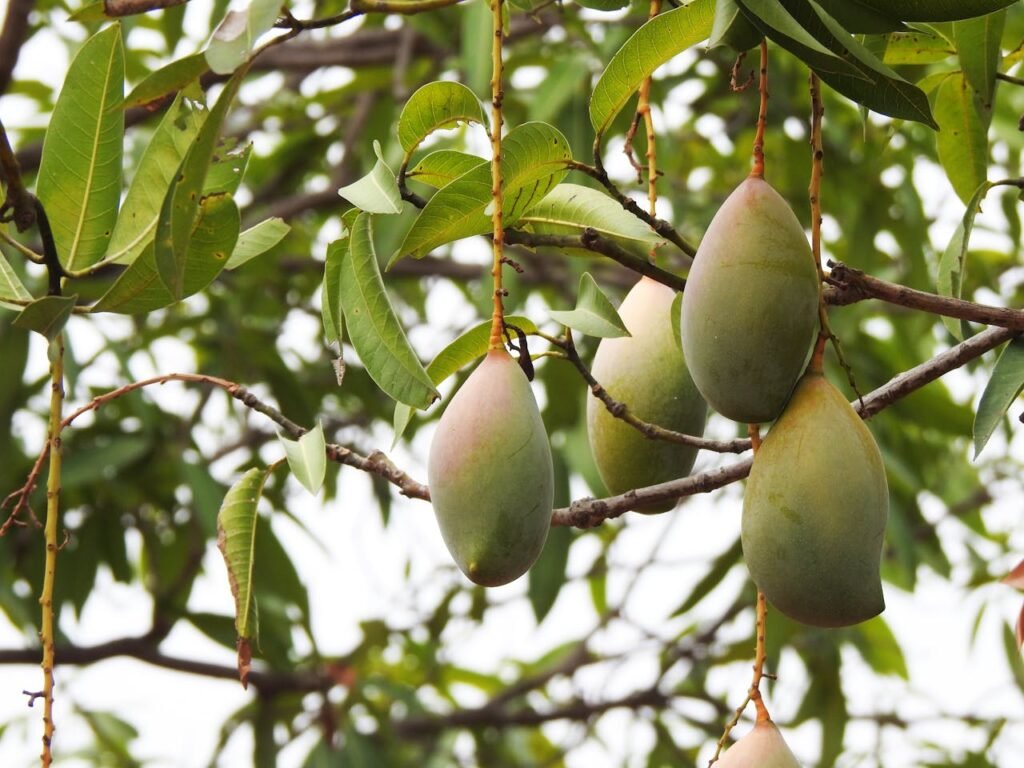
The Best Time to Eat Mango: Actionable Breakdown
To maximise the digestive benefits and energy boost provided by mangoes, timing is everything. Here are the optimal windows for consumption.
1. Mid-Morning Snack (10:00 AM – 11:30 AM)
The undisputed best time to eat mango is as a mid-morning snack. At this time, your metabolism is ramping up, and your body is primed to burn off the carbohydrates for energy rather than storing them.
Eating mango between breakfast and lunch acts as a perfect bridge. It curbs cravings for processed sugar and provides a sustained release of energy. The natural sugars are utilised efficiently by the brain and muscles during this peak activity window.
Why this works:
- Metabolic Rate: Your metabolism is generally higher in the morning hours.
- Gap Filling: It prevents the ‘lunchtime crash’ by keeping blood sugar levels stable, provided it is not eaten in isolation if you are diabetic.
2. Pre-Workout Fuel (30 Minutes Before Exercise)
If you engage in regular physical activity, mango is an exceptional pre-workout snack. The fast-acting glucose provides an immediate energy spike, while the vitamins support muscle function.
Experts at BBC Good Food note that consuming easily digestible carbohydrates before training can improve performance and delay fatigue. A small bowl of mango slices roughly 30 minutes before your session ensures you have the fuel to push harder.
3. Early Afternoon (4:00 PM – 5:00 PM)
The ‘afternoon slump’ is a common phenomenon where energy levels dip. Instead of reaching for caffeine or biscuits, mango serves as a natural pick-me-up. The high water content also helps rehydrate the body as the day wears on.
However, it is crucial to eat it well before your evening meal. Consuming fruit too close to a heavy dinner can disrupt the appetite and potentially lead to a caloric surplus.
Times to Avoid: The Late Evening Danger Zone
While mango is healthy, eating it late at night or right before bed is generally discouraged by nutritionists. There are several reasons for this:
- Sugar Spikes: The high natural sugar content can cause a spike in energy when your body is trying to wind down for sleep. This can disrupt your circadian rhythm.
- Heartburn Risks: For some, the tartness of certain mango varieties can trigger acid reflux when lying down. The Sleep Foundation highlights that eating heavy or sugary foods too close to bedtime can negatively impact sleep quality.
- Digestive Delay: Digestion slows down during sleep. Eating fibrous fruit late at night may lead to fermentation in the gut, causing gas and bloating the next morning.
Comparative Breakdown: Timing and Effects
To help you visualise the impact of timing on your digestion and energy, we have compiled this detailed comparison table.
| Time of Day | Digestive Impact | Energy Impact | Suitability Rating |
|---|---|---|---|
| Early Morning (Empty Stomach) | Rapid absorption; may cause acidity in sensitive stomachs due to pH levels. | Immediate high energy spike followed by a potential drop if no protein is added. | Moderate |
| Mid-Morning (10 AM – 11 AM) | Optimal enzymatic breakdown; amylase functions efficiently without overwhelming the gut. | Sustained energy; burned off by daily activity. | Excellent |
| Pre-Workout | Fast gastric emptying; quick conversion to glycogen. | High performance; fuels muscles directly. | Excellent |
| Post-Meal (Dessert) | Slowed digestion; fruit may ferment on top of heavier proteins/fats, causing gas. | Caloric surplus; sugar is less likely to be burned off immediately. | Poor |
| Late Night (Post 8 PM) | sluggish digestion; potential for acid reflux or heartburn. | Disrupts sleep cycle; insulin spike interferes with melatonin. | Very Poor |
Strategies for Optimal Consumption
Merely picking the right time is half the battle. How you eat the mango also matters significantly for digestion.
Pair With Protein
To mitigate the blood sugar spike, pair your mango with a source of protein or healthy fat. This slows down the release of sugar into the bloodstream.
- Greek Yoghurt: A classic combination that aids gut health via probiotics.
- Nuts: A handful of almonds or walnuts adds crunch and lowers the glycaemic load.
According to Diabetes UK, combining fruit with other food groups is a key strategy for managing glucose levels effectively.
Soak Your Mangoes
In many traditional cultures, particularly in South Asia, mangoes are soaked in water for 30 minutes to an hour before eating. This is believed to remove phytic acid (an antinutrient that blocks mineral absorption) and reduce the fruit’s ‘thermogenic’ properties.
While scientific literature on the ‘heat’ of mangoes is traditional, reducing phytic acid is a documented method to improve nutrient bioavailability, as discussed in research available via PubMed regarding food processing and antinutrients.
Portion Control is Key
Even healthy foods have calories. A single mango can contain up to 45 grams of sugar. The British Heart Foundation reminds us that while fruit sugar is natural, total carbohydrate intake must be monitored to maintain heart health and a healthy weight.
Stick to one cup of sliced mango or one medium-sized fruit per day to reap the benefits without overloading your digestive system.
Frequently Asked Questions
Here are the most common queries regarding mango consumption and gut health.
Can I eat mango on an empty stomach?
Yes, but with caution. For most healthy individuals, eating fruit on an empty stomach helps with maximum nutrient absorption. However, mangoes can be slightly acidic. If you suffer from gastritis or acid reflux, eating them without other food might irritate your stomach lining.
Is mango skin edible?
Technically, yes. The skin is loaded with fibre and phytochemicals. However, it also contains urushiol, a compound found in poison ivy, which can cause allergic reactions in some people. It also has a bitter taste. Most experts, including sources from Medical News Today, suggest peeling the fruit for the best digestive experience.
Will mango cause weight gain?
Mango itself does not cause weight gain if eaten within a calorie-controlled diet. It is calorie-dense compared to berries or melon, but it is also filling. Substituting processed snacks (like biscuits) with mango can actually support weight loss. Following the GOV.UK 5 A Day guidelines ensures you get variety without excess calories.
Is it safe for diabetics?
Yes, people with diabetes can eat mango. It has a medium Glycaemic Index (GI). The key is portion control and timing. Avoid eating it at night, and always pair it with fibre or protein to blunt the insulin response. Consult resources like Nutrition.org.uk for balanced plate examples.
Does blending mango destroy the fibre?
Blending breaks down the insoluble fibre, making it easier to digest, but it still retains the fibre content. However, juicing (removing the pulp) removes the fibre entirely. Smoothies are preferable to juices for digestive health.
The Bottom Line
Mangoes are a nutritional powerhouse that can support digestion, boost energy, and provide essential vitamins. However, because of their sugar content and specific enzymatic profile, timing matters.
To get the most out of this delicious fruit, aim to eat it as a mid-morning snack or pre-workout fuel. This ensures your body utilises the energy efficiently and processes the fibre without bloating. Avoid consuming mango late at night to protect your sleep quality and prevent digestive stagnation.
By listening to your body and following these timing strategies, you can enjoy the sweet taste of summer all year round while keeping your digestive system happy and healthy.