Feeding livestock constitutes a significant portion of the operational costs for any farm or smallholding. As feed prices fluctuate, producers are constantly seeking high-quality, cost-effective alternatives to traditional grasses and legumes.
Peanut hay has emerged as a robust contender in the world of animal nutrition, offering a nutrient profile that often rivals premium forages like alfalfa but at a more accessible price point.
Whether you are managing a herd of beef cattle, a flock of sheep, or considering forage options for goats, understanding the nuances of this legume is essential. While it is highly nutritious, it also requires careful management regarding storage and feeding practices.
This article explores the nutritional benefits, potential risks, and best management practices for incorporating peanut hay into your livestock feeding programme.
Overview
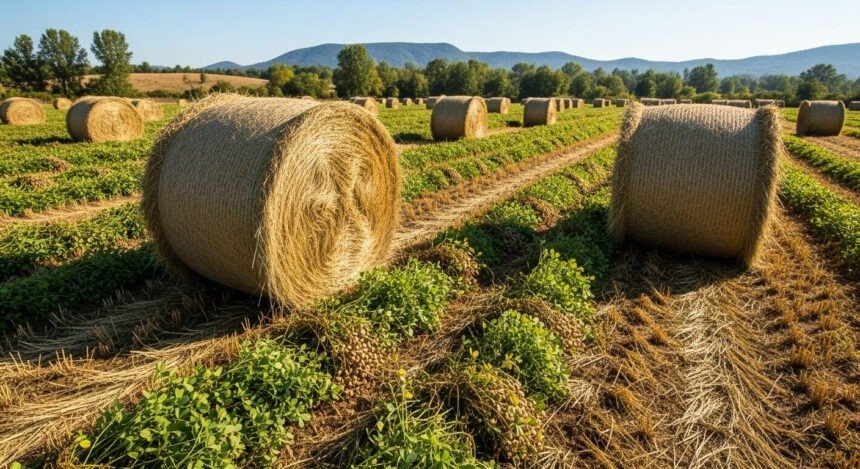
Peanut hay—often derived from the vines and leaves of the peanut plant (Arachis hypogaea)—is typically available in two forms: annual peanut hay (crop residue) and perennial peanut hay.
In many agricultural systems, particularly where peanuts are a primary cash crop, the residue left after harvesting nuts can be baled and utilised. This aligns with sustainable practices, similar to Using Peanut Meal as an Organic Fertiliser and Animal Feed, turning what might be waste into a valuable resource.
However, the quality can vary significantly depending on harvesting methods and weather conditions. High-quality peanut hay is green, leafy, and free from mould, providing a palatable source of protein and energy.
For those looking for consistently high-grade forage, varieties like the Florigraze rhizoma peanut are grown specifically for hay rather than nut production, offering superior leaf retention and nutrient density.
Nutritional Composition
Understanding the peanut hay protein content is the first step in balancing a ration.
Generally, well-cured peanut hay contains between 13% and 17% crude protein (CP), though premium perennial varieties can reach upwards of 18-20%, making them comparable to alfalfa. This makes it an excellent supplement for animals with higher protein requirements, such as lactating cows or growing calves.
Digestibility and Energy
The digestibility of peanut vines is another major advantage. In vitro organic matter digestibility (IVOMD) often ranges from 60% to 70%. This high digestibility ensures that animals can efficiently convert the feed into energy, which is crucial during colder months when metabolic demands increase.
Unlike lower-quality straws, the Total Digestible Nutrients (TDN) in peanut hay typically range from 55% to 60%. This energy density supports body condition scores in cattle without requiring excessive grain supplementation.
To maximise the quality of the hay, the timing of the cut is vital. This often relies on specific equipment, as detailed in our look at Essential Peanut Harvesting Tools for Small-Scale Growers, ensuring the vines are cut before they become too woody.
Mineral Content
Peanut hay is a rich source of calcium, often exceeding the requirements for most classes of livestock. However, this necessitates careful mineral balancing, particularly regarding the calcium-to-phosphorus ratio, to prevent metabolic issues.
It is worth noting that different peanut varieties, such as Spanish Peanuts: Small Size, Big Flavour and High Oil Content, may yield slightly different vine-to-leaf ratios, influencing the final hay quality.
Why Choose Peanut Hay?
For many producers, the decision comes down to economics and availability. Here is a breakdown of why this forage is gaining popularity.
Cost-Effectiveness
When analysing cost-effective livestock nutrition, peanut hay frequently outperforms imported alfalfa. Because it is often a byproduct of the nut industry, it is widely available in peanut-growing regions at a lower cost per tonne. This allows farmers to allocate budget elsewhere, perhaps investing in infrastructure or breeding stock.
High-Quality Legume Alternatives
In the debate of peanut hay vs alfalfa, peanut hay holds its own. While alfalfa is the gold standard for dairy, peanut hay is often sufficient for beef cattle and small ruminants. It provides the benefits of a high-quality legume hay—nitrogen fixation in the soil and high protein in the bunk—without the premium price tag.
This is particularly relevant for those interested in specific cultivars. For instance, the vines associated with A Guide to Valencia Peanuts: Sweetness and Nutrition Profile are known to be leafy, though they are less common in commercial hay production than runner types.

Feeding Strategies and Management
Successfully incorporating peanut hay requires more than just tossing a bale into the feeder. It requires a strategic approach to ensure animal health and minimise waste.
Cattle and Ruminants
Feeding peanut hay to cattle is generally the safest and most common application. Ruminants are well-equipped to ferment the fibrous material. It serves as an exceptional winter forage for ruminants, maintaining rumen health when pasture is dormant.
Studies from agricultural extensions suggest that beef cattle can be wintered on peanut hay alone if the protein content is adequate, requiring only a mineral supplement. For more on beef nutrition, resources like Beef Magazine offer in-depth guides on ration balancing.
The Equine Question
There are significant peanut hay for horses risks that owners must acknowledge. While horses can eat peanut hay, they are far more sensitive to dust and mould than cattle.
Peanut hay, growing close to the ground, often accumulates sand and dust. Ingesting sand can lead to colic. Furthermore, the risk of mycotoxins is higher in hay that has not been cured perfectly. If you choose to feed it to horses, source it from reputable growers producing perennial peanut hay benefits, specifically intended for equine use, rather than crop residue.
Just as humans are exploring Peanut Sprouts: The New Superfood You Should Try, livestock can benefit from the nutrient density of the plant, but the delivery method matters.
Potential Risks and Precautions
While the benefits are numerous, quality peanut hay forage management is critical to avoid toxicity issues.
Aflatoxins and Mould
Peanuts are susceptible to fungi that produce aflatoxins. While this is primarily a concern for the nuts, the vines can also be affected if harvested in wet conditions. Consuming mouldy hay can lead to liver damage, immune suppression, and reduced feed intake.
Proper peanut hay bale storage is the primary defence against this. Hay must be stored under cover, off the ground, and in a well-ventilated area to prevent moisture accumulation. For guidelines on mycotoxin safety, the Food and Agriculture Organization (FAO) provides global standards.
Chemical Residues
If feeding crop residue, be aware of the withdrawal periods for any herbicides or fungicides used during the growing season. If you are interested in chemical-free options, refer to Growing Your Own: Best Practices for Organic Peanut Seeds to understand organic production cycles.
Tips for Feeding Peanut Hay
To maximise the utility of this forage, consider these practical tips:
- Test Before You Feed: Visual inspection is not enough. Send a sample to a forage laboratory to determine the exact protein, fibre, and nitrate levels. This helps in formulating a precise diet.
- Manage Waste: Peanut hay can be stalky. Using a hay ring or grinder can reduce waste. Any trampled or refused hay can be composted. See our guide on Peanut Shell Compost: Turning Waste into Nutrient-Rich Soil for how to handle fibrous waste.
- Monitor Intake: Introduce the hay gradually to allow the rumen bacteria to adapt. This prevents digestive upset.
- Use as Mulch if Rejected: If a bale spoils, do not force animals to eat it. Instead, repurpose it. It works wonderfully in the garden, similar to How to Use Peanut Shell Mulch in Your British Garden.
- Supplement Wisely: If using peanut hay for animals with very high energy needs, you may still need energy supplements. Understanding byproducts like those mentioned in A Beginner Guide to Peanut Oil Pressing at Home can help you identify other energy sources.
Environmental Impact
Utilising peanut hay contributes to sustainable agriculture. It falls under the umbrella of peanut crop residue management, preventing the burning of fields and returning organic matter to the food cycle.
By integrating legumes into a crop rotation, farmers reduce the need for synthetic nitrogen fertilisers. The deep root systems of peanut plants improve soil structure, a benefit that persists even after the hay is harvested.
Research from the USDA Natural Resources Conservation Service highlights the soil health benefits of legume cover crops. Furthermore, using locally sourced hay reduces the carbon footprint associated with transporting feed over long distances.
For those interested in the full cycle of peanut utilisation, from flour to fodder, reading about Roasted Peanut Flour: Gluten-Free Baking and Nutritional Gains highlights how versatile this legume truly is.
The Bottom Line
Peanut hay offers a compelling mix of nutrition and affordability for livestock producers. With peanut hay protein content rivalling that of alfalfa and excellent digestibility, it is a viable solution for maintaining herd health.
However, quality control is paramount. Whether you are seeking livestock feed alternatives for cattle or cautious forage for horses, sourcing clean, well-cured hay is non-negotiable. Preserving hay quality through proper storage will protect your investment and your animals.
Always consult with a livestock nutritionist or veterinarian before making significant changes to your feed programme. They can help you interpret forage analysis results and design a ration that meets your specific production goals.
External Resources
- University of Florida IFAS Extension: Perennial Peanut Forage
- The Mayo Clinic: Animal Feed Safety
- National Institutes of Health (NIH): Legume Digestibility Studies
- Royal Veterinary College: Equine Nutrition
- USDA Agricultural Marketing Service: Hay Reports
- UK Defra: Animal Feed Legislation
- Texas A&M AgriLife Extension: Forage Quality
- Merck Veterinary Manual: Nutritional Requirements