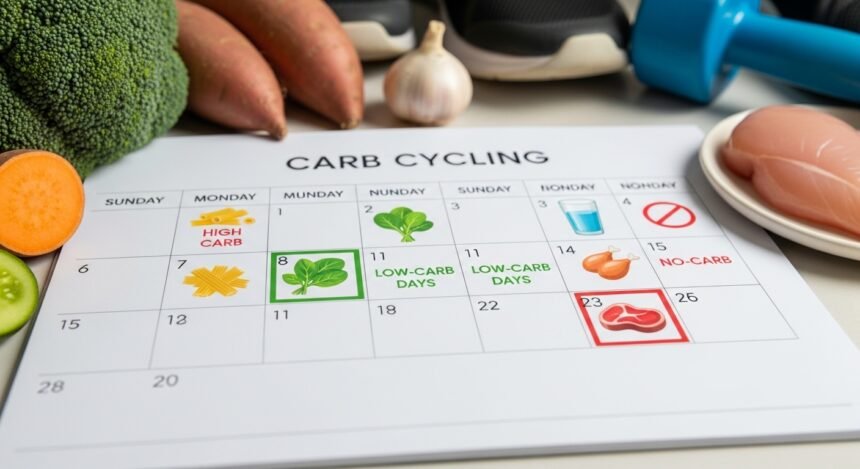
Navigating the world of nutrition can often feel like walking a tightrope. On one side, strictly low-carb diets like keto promise rapid fat loss but often leave you feeling lethargic. On the other, high-carb diets fuel performance but can make shedding stubborn body fat difficult.
Enter the carb cycling plan. This dietary approach attempts to get the best of both worlds by alternating carbohydrate intake on a daily, weekly, or monthly basis. It is a strategy favoured by bodybuilders and endurance athletes for decades, yet it has recently gained traction among the general population looking to optimise body composition.
This article provides a comprehensive overview of how to implement a sustainable carb cycling plan, the science behind it, and practical tips for success.
What Is Carb Cycling?
Carb cycling is strictly defined as a dietary protocol in which you alternate your carbohydrate intake. The most common schedule involves fluctuating between high carb days vs low carb days based on your activity levels.
The premise is simple: you eat more carbohydrates on days when you are physically active to fuel your workouts and aid recovery. Conversely, you eat fewer carbohydrates on rest days or days with light activity to encourage the body to burn fat for fuel.
Unlike static calorie restriction, a carb cycling plan aims to manipulate insulin signals and metabolic rate to prevent the dreaded weight-loss plateau.
The Science: Insulin and Metabolism
To understand why this works, we must look at insulin sensitivity improvement. Insulin is a hormone that regulates blood sugar and fat storage. Chronic high-carb eating can lead to insulin resistance, making weight loss difficult.
By incorporating low-carb periods, you improve your body’s sensitivity to insulin. When you do reintroduce carbs, your body is more efficient at shuttling them into muscle cells as glycogen rather than storing them as fat. This process is often referred to as metabolic flexibility benefits—the ability of your body to switch effortlessly between burning glucose and burning fat.
Furthermore, engaging in this dietary rhythm may help activate specific metabolic tissues. For instance, understanding Brown Fat Activation is crucial, as thermogenic tissues can further assist in calorie expenditure during varied intake cycles.
How to Structure Your Carb Cycling Plan
A standard weekly schedule might look like this:
- Monday (High Carb): Intense training (Legs/Back).
- Tuesday (Low Carb): Light cardio or Rest.
- Wednesday (High Carb): Intense training (Chest/Shoulders).
- Thursday (Low Carb): Light cardio.
- Friday (Moderate Carb): Full body workout.
- Saturday (Low Carb): Active recovery.
- Sunday (Low Carb): Rest.
This rotation allows for glycogen replenishment strategies immediately surrounding your hardest sessions, ensuring you have the energy to push hard without spilling over into fat storage.
The High-Carb Day
On these days, roughly 50% of your calories should come from carbohydrates. This is not a license to binge on sugary processed foods. Focus on complex sources like oats, quinoa, brown rice, and potatoes. These days are essential for cycling carbohydrates for muscle gain, as insulin helps transport amino acids into muscle tissue.
The Low-Carb Day
On low-carb days, your intake drops to roughly 15-20% of total calories. You will replace those lost calories with healthy fats and proteins. This shift mimics a protein sparing modified fast in some variations, forcing the body to rely on stored adipose tissue. To support this, you might incorporate Top Lipolysis Foods such as avocados and fatty fish to encourage the breakdown of stored fat.
Adjusting for Body Type and Gender
Carb cycling is not one-size-fits-all. A carb cycling plan must be tailored to your specific physiology.
Carb Cycling for Beginners Female
Women often have different hormonal requirements than men. Carb cycling for beginners female protocols should be approached with caution regarding the menstrual cycle. Extremely low carbohydrate intake for extended periods can disrupt hormones. Women may benefit from a “moderate” day rather than a strictly “no-carb” day to maintain hormonal balance and dieting sustainability.
The Endomorph Approach
If you naturally store fat easily and have a slower metabolism, you might follow an endomorph diet plan. This variation usually involves more low-carb days (perhaps 4-5 per week) and fewer high-carb refeeds. This helps manage insulin levels more aggressively.

Enhancing the Plan with Supplements and Lifestyle
While diet is king, certain tools can assist the process. On low-carb days, your energy might dip. Many practitioners use MCT Oil Benefits to provide rapid energy ketone bodies without spiking insulin. Similarly, strategic carbohydrate intake is paramount—placing the majority of your carbs pre- and post-workout.
Fat Oxidation Support
To maximise the fat-burning potential of low-carb days, some turn to supplementation. CLA Supplements (Conjugated Linoleic Acid) have shown promise in research regarding body composition. Additionally, L-carnitine Liquid is often used to support the transport of fatty acids into the mitochondria to be burned for energy, which complements the low-insulin environment.
Exercise Integration
Your training must match your eating. Low-carb days are perfect for Fasted Walking or steady-state cardio. High-carb days should be reserved for High-Intensity Interval Training (HIIT) or heavy lifting. Proper workout nutrition timing ensures that the carbs you eat are used for repair rather than storage.
Overcoming Challenges: Stubborn Fat and Adherence
One of the main reasons people turn to carb cycling is to target difficult areas. The Stubborn Fat Science suggests that areas with poor blood flow and specific receptor types (alpha-receptors) are harder to mobilize. Carb cycling helps by keeping catecholamines (fat-burning hormones) high on low-carb days.
However, adherence can be tricky. Mental fatigue is real. Utilising refeed days for weight loss—which are essentially planned high-carb days—can provide a psychological break, making the diet easier to stick to long-term. Using dietary adherence strategies like meal prepping and tracking is non-negotiable.
For those specifically worried about abdominal fat, combining this diet with core strengthening is vital. Read more on How to Reduce a Lower Belly Pooch to see how diet pairs with specific movements.
Fluid and Thermogenesis
Hydration is critical, especially as glycogen depletion strips water from the body. Some find that incorporating specific beverages helps. The Best Fat Burner Tea selections, such as green tea or matcha, can offer a mild metabolic boost without breaking a fast.
Furthermore, lifestyle hacks like Cold Thermogenesis can be stacked with carb cycling. Exposure to cold temperatures may increase non-exercise activity thermogenesis, complementing the metabolic shifts caused by the diet.
Practical Tips for Success
To ensure your carb cycling plan delivers results, follow these guidelines:
- Prioritise Protein: Regardless of carb intake, protein must remain high to preserve lean tissue. This is the cornerstone of calorie deficit maintenance.
- Count Correctly: Use macro tracking tips such as weighing food raw and using a verified app. Eye-balling portions is the enemy of fat loss.
- Monitor Energy: If you feel constantly exhausted, you may need to increase your carb intake slightly on training days.
- Fibre is Key: On low-carb days, ensure you eat plenty of fibrous vegetables to maintain digestion and satiety.
The Bottom Line
Carb cycling is a powerful tool for those looking to lose fat while maintaining performance. By alternating high carb days vs low carb days, you can manipulate insulin, preserve metabolic flexibility, and break through weight loss plateaus.
Whether you are following an endomorph diet plan or looking for carb cycling for beginners female advice, the key is customisation. Listen to your body, track your macros, and ensure your training intensity matches your fuel intake.
Always consult with a healthcare professional before starting a new dietary regimen, especially if you have pre-existing conditions like diabetes.
Frequently Asked Questions
Can I do carb cycling on a vegan diet?
Yes, though it requires careful planning. Protein sources like tofu and tempeh are low in carbs, while legumes are higher, requiring you to adjust your days accordingly.
How long should I carb cycle?
It is sustainable long-term, but many use it for 12-16 week distinct phases to achieve a specific body composition goal.