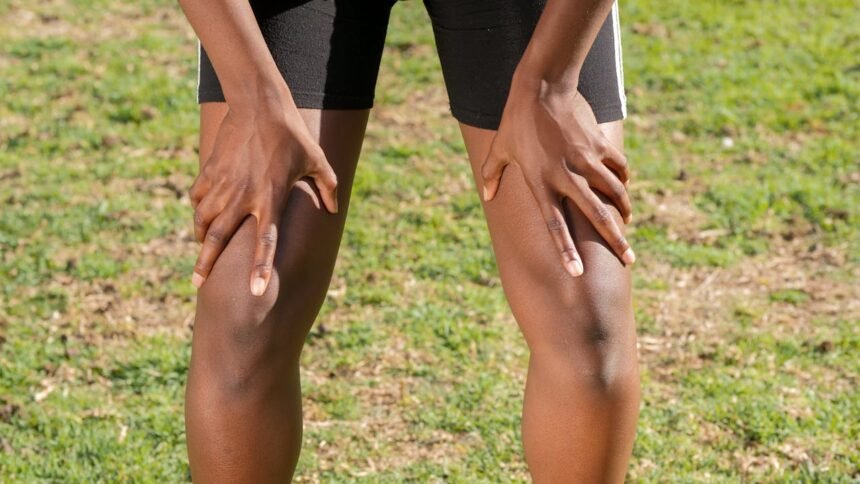
Tearing your anterior cruciate ligament (ACL) can feel like a devastating blow, especially if you are an athlete or lead an active lifestyle. Whether you have opted for surgery or a conservative non-operative route, the path to recovery is paved with consistent, evidence-based ACL rehab exercises. The goal is simple but vital: to restore knee stability, regain strength, and eventually return to the activities you love.
In this guide, we will walk through the essential movements designed to support your post-operative recovery. Remember, every individual’s journey is unique. It is crucial to work closely with a physical therapist to ensure you are progressing at a pace that is safe for your specific injury profile, particularly if you have a concurrent meniscus tear.
Understanding the Phases of Recovery
ACL rehabilitation is not a race; it is a marathon divided into specific phases. Each phase has unique goals, ranging from swelling management in the early days to high-intensity sport-specific drills in the final months. Skipping steps can increase the risk of reinjury, so patience is your best ally.
Early on, the focus is on “quieting” the knee. This means reducing inflammation and waking up the muscles that “switch off” after trauma, specifically the quadriceps. As you progress, you will move from simple movements to complex neuromuscular control exercises that retrain your brain and body to work in harmony.
Rehab Phase Overview
| Phase | Primary Focus | Typical Timeline |
|---|---|---|
| Phase 1: Protection | Swelling management & Knee extension | 0–2 Weeks |
| Phase 2: Strengthening | Quadriceps strengthening & Gait training | 2–6 Weeks |
| Phase 3: Power | Proprioception training & Plyometrics | 3–6 Months |
| Phase 4: Return to Sport | Sport-specific drills & Agility | 6–9+ Months |
Top ACL Rehab Exercises for Early Recovery
In the first few weeks after injury or surgery, your knee will likely be stiff and swollen. The following ACL rehab exercises focus on restoring range of motion and preventing muscle atrophy.
- Ankle Pumps: Simple but effective for circulation. While lying down, flex your feet up and down repeatedly.
- Quad Sets: Sit with your leg straight. Tighten your thigh muscle (quadriceps) to push the back of your knee into the floor. Hold for 5 seconds.
- Heel Slides: Gently slide your heel toward your buttocks, bending the knee as far as comfortable, then slide back out. This helps regain flexion.
- Passive Knee Extension: Prop your heel on a rolled-up towel. Let gravity straighten the knee. Achieving full knee extension is the most critical goal in Phase 1.
According to the Physiopedia guidelines, early weight-bearing as tolerated can actually promote faster healing and better long-term outcomes.
Intermediate Strength and Stability
Once the initial swelling subsides and you can walk with a more natural gait, your physical therapist will introduce more challenging movements. This stage often involves eccentric loading to strengthen the patellar tendon or hamstring graft, depending on your surgery type.
1. Straight Leg Raises
Keep your leg locked straight and lift it about 12 inches off the ground. This builds quadriceps strengthening without putting undue stress on the ACL graft. Check out AAOS for detailed safety tips on this movement.
2. Hamstring Curls
Strong hamstrings act as a secondary stabiliser for the knee, taking some of the load off the ACL. You can perform hamstring curls using a resistance band or a gym machine. This is vital if your surgeon utilised a hamstring graft for the repair.
3. Wall Squats
Lean against a wall and lower yourself into a partial squat. This functional movement prepares you for daily tasks like sitting and standing while building neuromuscular control.
Advanced Proprioception and Power
Proprioception is your body’s ability to sense its position in space. After an ACL injury, this “sixth sense” is often diminished. High-level ACL rehab exercises must include balance work to prevent future stumbles.
- Single-Leg Balance: Stand on your injured leg for 30 seconds. To make it harder, try doing this on a foam pad or closing your eyes.
- Step-Ups: Using a small step, practice controlled stepping up and down. This focuses on “tracking,” ensuring your knee doesn’t cave inward.
- Lateral Shuffles: Moving side-to-side helps rebuild knee stability in different planes of motion.
Research published in the British Journal of Sports Medicine suggests that proprioception training significantly reduces the risk of secondary ACL tears. For more on the science of ligament healing, visit ScienceDirect.
The Importance of Consistency
It is easy to feel motivated in the first month, but many patients plateau around month four. This is a “danger zone” where the knee feels “good,” but the graft is still maturing. It is essential to continue your ACL rehab exercises even when you feel 100%.
Utilise tools like the Cochrane Library to look at the latest clinical evidence regarding rehab timelines. Staying informed helps you stay committed to the programme. You can also find community support and expert advice on specialist sites like KneeGuru.
If you experience sharp pain (not just muscle soreness), stop immediately and consult your orthopaedic team. Managing post-operative recovery requires a fine balance between pushing limits and respecting the biological healing process.
Frequently Asked Questions (FAQs)
How long should I do ACL rehab exercises?
Most athletes require 9 to 12 months of structured rehab before returning to contact sports. However, basic strengthening exercises should ideally become a lifelong habit to protect the joint from future issues like osteoarthritis. For more on long-term knee health, see the Arthritis Foundation.
Can I recover from an ACL tear without surgery?
Yes, some “copers” can stabilise their knee through intensive physical therapy and quadriceps strengthening alone. This depends on your age, activity level, and the presence of other injuries like a meniscus tear. Consult Healthline’s injury guide for a comparison of surgical vs. non-surgical paths.
What is the most important exercise after ACL surgery?
In the very early stages, knee extension exercises (getting the leg fully straight) are paramount. If you don’t regain full extension early, it can lead to permanent gait changes and chronic pain. Learn more about extension protocols at WebMD.
When can I start running again?
Typically, straight-line running is introduced between months 3 and 5, provided you have met specific strength milestones (usually 70-80% strength compared to the uninjured leg). Refer to Johns Hopkins Medicine for specific return-to-run criteria.
Are squats safe during ACL rehab?
Squats are safe and highly recommended, but the depth and load must be progressed gradually. Initially, your physical therapist may suggest “mini-squats” to protect the graft from excessive shear forces. Check Medical News Today for a list of safe vs. risky movements.
The Bottom Line: Your recovery is a journey of small wins. By committing to your ACL rehab exercises and working with professionals, you can rebuild a knee that is stronger and more resilient than before. For further reading on surgical techniques and recovery, visit OrthoBullets or Verywell Health.