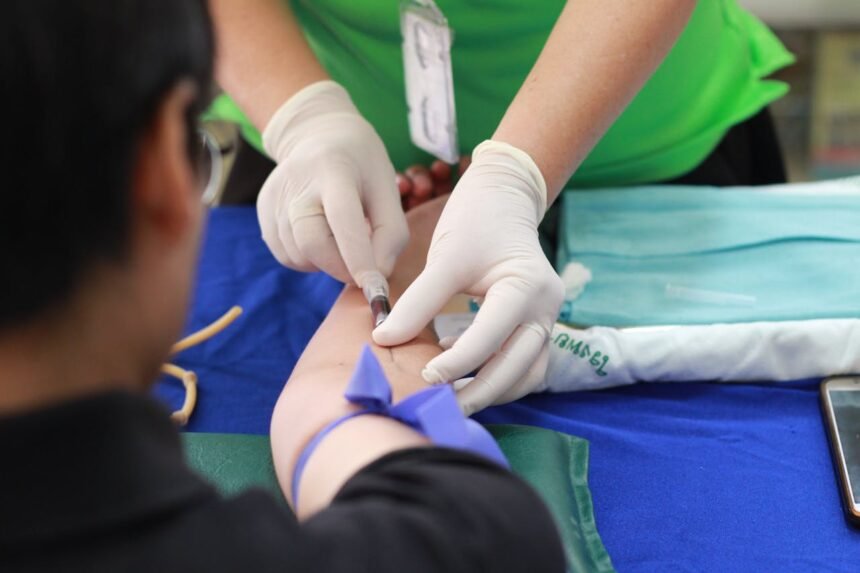
When we think of vaccinations, our minds often drift to childhood check-ups, crying toddlers, and lollipops. However, immunization is a lifelong commitment to health. As we cross the threshold into our third decade, our bodies change, and so does our immune system. While you may have been fully vaccinated as a child, immunity can fade, and guidelines evolve. Prioritizing adult vaccinations after 30 is not just about personal health; it is a critical component of public safety and preventative care.
In this comprehensive guide, we will explore the essential vaccines adults need to stay healthy, why immunity wanes, and how to update your immunization strategy for the decades ahead.
The Myth of Permanent Immunity
Many adults operate under the assumption that the shots they received in grade school offer lifetime protection. Unfortunately, this is rarely the case. Use of the term “booster” implies exactly what is happening: your immune system needs a reminder.
According to the Centers for Disease Control and Prevention (CDC), thousands of adults in the U.S. suffer serious illness, are hospitalized, and even die annually from diseases that could have been prevented by vaccines. Factors necessitating adult vaccination include:
- Waning Immunity: Protection from childhood vaccines (like pertussis) decreases over time.
- New Viruses: Strains of the flu and COVID-19 mutate, requiring updated formulas.
- Age-Related Susceptibility: As we age, our immune response naturally weakens, making us more prone to severe complications from common infections.
- Lifestyle Changes: Travel, new jobs, or caring for aging parents can expose you to different risks.
Essential Vaccinations for Adults Over 30
To ensure you are fully protected, review the following vaccinations with your primary care physician. These are the cornerstones of adult vaccinations after 30.
1. Tdap (Tetanus, Diphtheria, and Pertussis)
If you haven’t had a Tdap shot since adolescence, you are likely due. This vaccine protects against three serious bacterial diseases:
- Tetanus (Lockjaw): Enters the body through cuts or wounds.
- Diphtheria: A serious respiratory infection.
- Pertussis (Whooping Cough): Highly contagious and dangerous for infants.
The general rule is to get a Td or Tdap booster every 10 years. However, this is particularly vital for people in their 30s who may be becoming parents or visiting new nieces and nephews. According to the Mayo Clinic, adults are the most common source of pertussis infection in infants, meaning your vaccination protects the vulnerable children in your life.
2. Seasonal Influenza (The Flu Shot)
It is a common misconception that the flu is merely a bad cold. Influenza can lead to hospitalization due to pneumonia and dehydration. The World Health Organization (WHO) emphasizes that annual vaccination is the most effective way to prevent the disease.
Because flu virus strains mutate rapidly, last year’s vaccine will not protect you against this year’s variant. Scheduling a flu shot every autumn is a pillar of responsible adult health maintenance.
3. HPV (Human Papillomavirus)
For a long time, the HPV vaccine was only recommended for teenagers. However, guidelines have shifted significantly. The FDA has approved the Gardasil 9 vaccine for adults up to age 45.
HPV is the most common sexually transmitted infection and is directly linked to cervical, throat, and anal cancers. The National Cancer Institute highlights that while vaccination is most effective before sexual activity begins, adults in the 27-45 age range can still benefit, especially if they have new partners. This is a conversation to have with your doctor immediately if you were not vaccinated as a teen.
4. Hepatitis A and B
Hepatitis causes inflammation of the liver. While Hepatitis B vaccination is now standard for infants, many adults over 30 missed this requirement in childhood.
- Hepatitis A: Often spread through contaminated food or water. It is essential for those who travel internationally or have specific risk factors.
- Hepatitis B: Spread through blood or bodily fluids. The Hepatitis B Foundation recommends that all adults aged 19-59 be vaccinated against Hepatitis B.
5. COVID-19 and Variants
Regardless of your initial vaccination status, the landscape of COVID-19 continues to shift. Staying up to date with the latest boosters recommended by the Food and Drug Administration (FDA) helps prevent severe illness and Long COVID, which can debilitatingly impact your prime working years.

Looking Ahead: Preparation for the Next Decades
While you are currently focusing on health after 30, it is worth noting what comes next.
Shingles (Herpes Zoster)
Once you hit 50, the Shingles vaccine (Shingrix) becomes a priority. However, if you have a compromised immune system due to medication or illness, you may need this sooner. The National Institute on Aging reports that 1 in 3 people will develop shingles in their lifetime, a painful condition caused by the reawakening of the chickenpox virus.
Pneumococcal Vaccine
Typically reserved for those 65+, this may be recommended for adults 19-64 with chronic conditions like asthma, diabetes, or cigarette smokers, per the American Lung Association.
Quick Reference: Adult Vaccine Schedule
To help you visualize your potential needs, here is a simplified breakdown of vaccine frequency for healthy adults.
| Vaccine | Frequency | Primary Benefit | Target Group (Adults) |
|---|---|---|---|
| Influenza | Annual | Prevents respiratory illness and complications. | Everyone |
| Tdap / Td | Every 10 years | Prevents Tetanus, Diphtheria, Whooping Cough. | Everyone; vital for new parents. |
| HPV | 2-3 dose series | Prevents cervical, throat, and other cancers. | Adults up to age 45 (consult doctor). |
| Hepatitis B | 2-3 dose series | Prevents liver infection and chronic liver disease. | Adults 19-59; 60+ with risk factors. |
| COVID-19 | Varies (Booster) | Reduces severity of illness and hospitalization. | Everyone |
| MMR | 1-2 doses | Prevents Measles, Mumps, Rubella. | Adults with no evidence of immunity. |
| Varicella | 2 doses | Prevents Chickenpox. | Adults with no evidence of immunity. |
The Travel Factor
If your 30s involve international adventure, your vaccine schedule becomes even more specific. Traveling to parts of South America, Africa, or Asia may require protection against Typhoid, Yellow Fever, or Japanese Encephalitis.
The CDC Yellow Book is the gold standard for travel health information. Consult a travel clinic at least 4 to 6 weeks before your trip to ensure vaccines have time to become effective.
Overcoming Vaccine Fatigue and Hesitancy
It is natural to feel “vaccine fatigue” after the intense focus on immunization during the pandemic. However, maintaining a schedule of adult vaccinations after 30 is less about crisis management and more about routine maintenance—similar to changing the oil in your car or visiting the dentist.
Vaccines are rigorously tested for safety. The U.S. Department of Health and Human Services (HHS) provides extensive resources debunking common myths, ensuring that your decisions are based on science rather than speculation.
Conclusion: Take Charge of Your Immunity
Your 30s are a time of building—building careers, families, and futures. Don’t let a preventable illness derail your progress. Immunity is not a “one and done” event; it is a dynamic shield that requires maintenance.
Actionable Steps:
- Locate your records: Try to find your childhood immunization card or ask your parents.
- Audit your health: Do you have asthma? Diabetes? Are you traveling soon?
- Talk to your doctor: At your next physical, specifically ask, “Am I up to date on my adult vaccinations?”
Investing in your immune system today ensures you remain active, healthy, and resilient for all the decades to come.