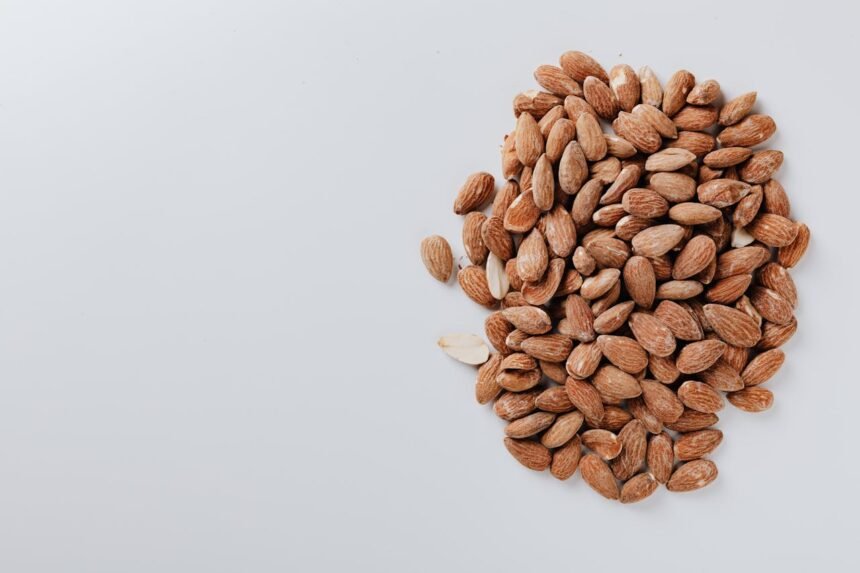
Heart disease remains the leading cause of death globally, with high cholesterol levels serving as a primary risk factor. In the quest for natural dietary interventions, nuts—specifically almonds—have emerged as a potent tool for cardiovascular protection. For decades, nutritionists and cardiologists have debated the efficacy of individual foods in managing lipid profiles. However, recent clinical evidence has solidified the almond’s reputation as a nutritional powerhouse capable of significantly influencing heart health.
Understanding the relationship between managing cholesterol naturally and dietary choices is essential for long-term wellness. While pharmaceutical interventions like statins are common, lifestyle modifications, particularly diet, form the foundation of cardiovascular treatment. Almonds are unique among tree nuts due to their high concentration of monounsaturated fats, fiber, and specific antioxidants that target the mechanisms of cholesterol oxidation.
This article provides a comprehensive analysis of the link between almonds and cholesterol, examining the biological mechanisms, clinical study results, and practical applications for your daily diet.
Quick Facts
- Nutrient Density: Almonds are rich in monounsaturated fats, protein, fiber, vitamin E, and magnesium.
- LDL Reduction: Consistent consumption has been linked to reductions in low-density lipoprotein (LDL) cholesterol.
- Heart Health Claim: The FDA acknowledges that eating 1.5 ounces of nuts per day may reduce the risk of heart disease.
- Satiety: Despite their calorie density, almonds can aid in weight management by increasing feelings of fullness.
- Versatility: They can be consumed raw, roasted, or as milk and butter, though nutrient availability varies by form.
The Nutritional Profile of Almonds
To understand why almonds are beneficial for cholesterol, one must first look at their macronutrient and micronutrient composition. A single one-ounce serving (about 23 almonds) delivers a massive hit of heart-healthy nutrients. This small handful provides approximately 160 calories, 6 grams of plant-based protein, and 14 grams of fat. However, it is the type of fat that matters most.
The majority of the fat in almonds is monounsaturated fat, the same heart-healthy lipid found in olive oil, a staple of the Mediterranean diet guide. According to the USDA FoodData Central, almonds are low in saturated fat and completely free of cholesterol. Furthermore, they are one of the best food sources of Vitamin E, providing about 37% of the recommended Daily Value (DV) in just one ounce.
Beyond fats, almonds are an excellent source of fiber. Dietary fiber is crucial because it binds to cholesterol in the digestive system and removes it from the body before it enters circulation. This mechanism is one of the primary ways high-fiber diets contribute to lower blood lipid levels. Additionally, almonds contain phytosterols, plant compounds that are structurally similar to cholesterol and compete with it for absorption in the gut.
Understanding Cholesterol: The Good and The Bad
Before diving into the specific effects of almonds, it is helpful to clarify what we are trying to manage. Cholesterol is a waxy substance found in your blood, and while your body needs it to build healthy cells, high levels can increase your risk of heart disease. It generally travels in two main forms:
- Low-Density Lipoprotein (LDL): Often called “bad” cholesterol. High levels of LDL lead to plaque buildup in your arteries, causing atherosclerosis.
- High-Density Lipoprotein (HDL): Known as “good” cholesterol. It transports cholesterol from other parts of your body back to your liver, where it is processed and removed.
The danger arises not just from high LDL levels, but from oxidized LDL. When LDL particles react with free radicals, they become oxidized and are more likely to inflame the arteries and restrict blood flow. This is where almonds play a dual role: they help lower overall LDL levels and protect LDL particles from oxidation, thanks to their antioxidant content. For a deeper dive into lipid profiles, read our guide on understanding types of fat.
The Science: How Almonds Lower Cholesterol
The cholesterol-lowering effects of almonds are well-documented in scientific literature. A systematic review published by the National Institutes of Health (NIH) analyzed multiple controlled trials and found that almond consumption resulted in consistent reductions in total cholesterol and LDL cholesterol, without negatively impacting HDL levels.
Replacing Saturated Fats
One of the primary mechanisms is displacement. When people incorporate almonds into their diet, they often do so in place of unhealthy snacks like chips, cookies, or processed meats which are high in saturated fats and refined carbohydrates. By swapping these out for almonds, you naturally reduce your intake of artery-clogging fats while increasing your intake of unsaturated fats. The American Heart Association strongly recommends replacing saturated fats with unsaturated fats to lower cardiovascular risk.
The Role of Vitamin E and Polyphenols
Almonds are arguably the best whole-food source of alpha-tocopherol, the form of Vitamin E most easily absorbed by the body. Vitamin E is a potent antioxidant that protects cells from oxidative stress. Research suggests that the antioxidants in almonds, particularly when eaten with their skins intact, work synergistically with Vitamin E to prevent LDL oxidation. A study cited by PubMed demonstrated that participants who consumed almonds as a snack had significantly lower levels of oxidized LDL compared to control groups.
This is a critical distinction: lowering the quantity of LDL is important, but improving the quality of the particles to prevent arterial inflammation is equally vital. For more on how antioxidants support cardiovascular health, see our article on Vitamin E benefits.
Magnesium and Blood Pressure
High cholesterol often accompanies high blood pressure (hypertension). Magnesium deficiency is common in modern diets and is linked to higher blood pressure levels. Almonds are rich in magnesium, which helps blood vessels relax and improves blood flow. By addressing magnesium deficiency, almonds indirectly support heart health by reducing the strain on the arterial walls. You can learn more about this connection in our post on natural ways to lower blood pressure.

Almonds and Weight Management
A common myth is that because nuts are high in fat, they lead to weight gain. However, evidence suggests the opposite. The fat, protein, and fiber matrix in almonds makes them incredibly satiating. Eating them can curb hunger and reduce overall calorie intake throughout the day. Furthermore, biological studies indicate that the human body does not absorb about 10-15% of the calories in whole nuts because some of the fat remains trapped within the fibrous cell walls during digestion.
Maintaining a healthy weight is paramount for controlling cholesterol. Excess adipose tissue affects how your liver manages lipoproteins. By serving as a tool for effective weight management, almonds contribute to a holistic environment for heart health. The Centers for Disease Control and Prevention (CDC) lists nuts as a key component of a healthy dietary pattern for weight control.
How Many Almonds Should You Eat?
While almonds are beneficial, portion control is key due to their caloric density. Most clinical studies showing heart health benefits utilize a serving size of roughly 1.5 ounces (about 42 grams) per day. This equates to a large handful, or approximately 30 to 35 almonds.
The FDA has approved a qualified health claim stating that eating 1.5 ounces per day of most nuts as part of a diet low in saturated fat and cholesterol may reduce the risk of heart disease. It is important not to simply add almonds to an existing poor diet but to use them as a replacement for less nutritious calories.
To keep things interesting, consider varying how you eat them:
- Raw vs. Roasted: Raw almonds preserve the most healthy fats. Roasted almonds are delicious but ensure they are dry-roasted without added unhealthy oils.
- Soaked Almonds: Some people prefer soaking almonds overnight to remove the skin and potentially improve digestibility, though the skin contains many of the heart-healthy polyphenols.
- Almond Butter: A great alternative, but check labels to avoid added sugars and hydrogenated oils.
For ideas on how to include them in your meals, check our list of healthy heart-smart snacks.
Potential Risks and Considerations
While almonds are generally safe, there are a few considerations to keep in mind regarding their consumption.
Oxalates and Kidney Stones
Almonds are high in oxalates, compounds that can contribute to the formation of kidney stones in susceptible individuals. If you have a history of kidney stones, consult your nephrologist or dietitian before significantly increasing your intake. Moderation is usually safe, but individual tolerance varies.
Nut Allergies
Tree nut allergies are among the most common food allergies and can be severe. Cross-reactivity can occur, so those allergic to other nuts should proceed with caution. The American College of Allergy, Asthma & Immunology provides detailed guidelines on managing tree nut allergies.
Added Sodium and Sugar
Commercially available almonds often come heavily salted or coated in sugar (e.g., honey-roasted). High sodium intake can counteract the blood pressure benefits of the magnesium in almonds. Always opt for unsalted or lightly salted varieties. To better control your glucose levels alongside cholesterol, read about blood sugar control strategies.
Incorporating Almonds into a Heart-Healthy Lifestyle
Eating almonds is just one piece of the puzzle. To truly optimize your cholesterol profile, they should be part of a broader lifestyle strategy. This includes regular physical activity, stress management, and a diet rich in fruits, vegetables, whole grains, and lean proteins.
Consider pairing almonds with other cholesterol-fighting foods. For example, oatmeal and almonds make a powerful breakfast combination. The beta-glucan in oats and the fiber in almonds work together to lower LDL. Combining almonds with foods high in Vitamin C, like berries, can also enhance nutrient absorption and provide a double dose of antioxidants. For more information on anti-inflammatory pairings, visit our guide to reducing inflammation naturally.
Expert bodies like the Mayo Clinic emphasize that while nuts are beneficial, the overall dietary pattern is what dictates long-term health outcomes. Integrating almonds into the best heart-healthy foods list creates a synergistic effect that is more powerful than any single food alone.
The Bottom Line
Almonds are more than just a convenient snack; they are a legitimate therapeutic food for improving lipid profiles and supporting cardiovascular health. The evidence consistently shows that consuming approximately 1.5 ounces of almonds daily can lower total and LDL cholesterol, reduce oxidized LDL, and improve blood vessel function.
Rich in monounsaturated fats, fiber, magnesium, vitamin E, and antioxidants, almonds address multiple risk factors for heart disease simultaneously. However, they should be consumed as a replacement for saturated fats and refined carbs rather than added as extra calories. By choosing raw or dry-roasted, unsalted varieties and keeping portion sizes in check, you can harness the full potential of this nut to keep your heart healthy and strong.
Always consult with a healthcare professional before making drastic changes to your diet, especially if you are currently taking medication for high cholesterol.