Asthma affects approximately 300 million people globally, with increasing prevalence among children. This chronic respiratory condition involves airway inflammation and narrowing, causing breathing difficulty, wheezing, and coughing. Effective asthma management combines trigger identification, preventive medications, and emergency preparedness.
Understanding Asthma
Asthma develops when airways become inflamed and sensitive, responding excessively to triggers. This inflammation causes airway narrowing, mucus production, and bronchospasm, restricting airflow. Asthma varies widely in severity; some people experience mild symptoms while others face life-threatening episodes.
Allergic asthma involves immune system overreaction to environmental allergens. Non-allergic asthma may be triggered by infections, exercise, or emotional stress. Many people experience both types.
Identifying Asthma Triggers
Common asthma triggers include allergens (dust mites, pollen, pet dander), respiratory infections, exercise, cold air, air pollution, and strong emotions. Identifying personal triggers is crucial for effective management. Keeping an asthma diary helps identify patterns.
Occupational exposures can cause workplace asthma, particularly in certain industries involving chemical or dust exposure. Environmental modifications and protective equipment help manage occupational asthma.
Prevention Strategies
Controller medications, typically inhaled corticosteroids, reduce airway inflammation when used regularly. These medications decrease asthma symptoms and exacerbation frequency, though they don’t provide immediate relief.
Avoiding identified triggers represents primary prevention. Minimizing allergen exposure through environmental controls, using air filters, and avoiding known trigger situations reduces asthma episodes significantly.
Vaccinations against influenza and pneumonia prevent infections that commonly trigger asthma.
Medication Management
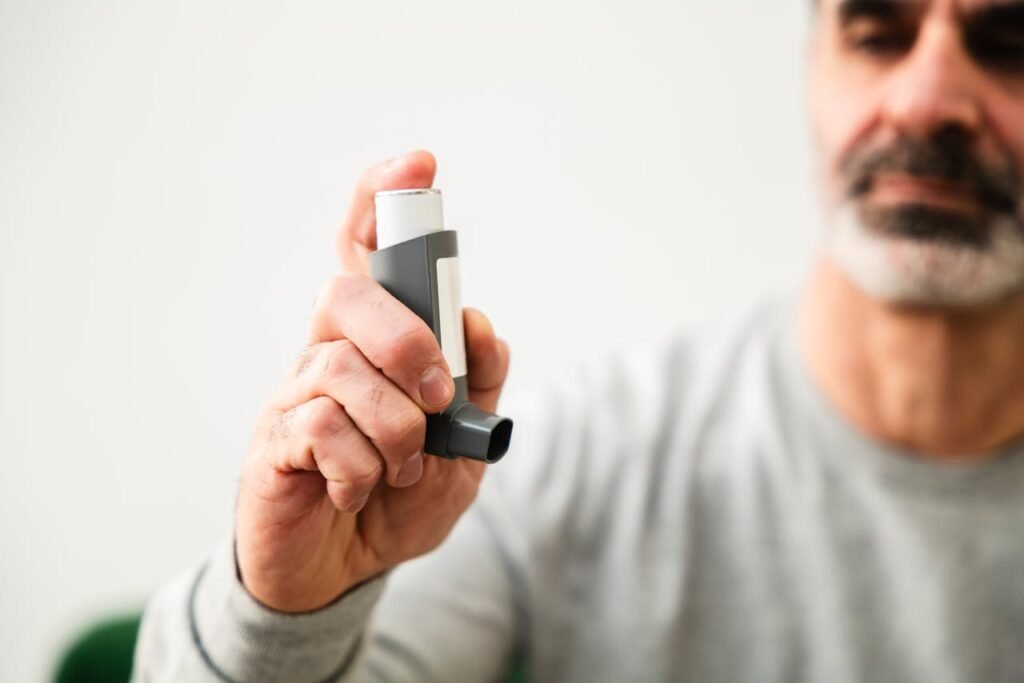
Rescue inhalers containing short-acting beta-agonists provide rapid relief during asthma episodes by relaxing bronchial smooth muscle. These medications work within minutes but don’t address underlying inflammation.
Long-acting beta-agonists, when combined with inhaled corticosteroids, provide sustained symptom control. Proper inhaler technique is crucial for medication effectiveness; many people use inhalers incorrectly, reducing benefit.
Emergency Asthma Care
Severe asthma attacks require immediate medical attention. Warning signs include severe shortness of breath, inability to speak in full sentences, persistent coughing, and chest tightness. Emergency warning signs include blue lips or fingernails, confusion, or lack of response to rescue medications.
During emergencies, use rescue inhalers first. If symptoms don’t improve within 15 minutes or worsen, seek emergency care immediately. Systemic corticosteroids, oxygen therapy, and medications like intravenous epinephrine may be necessary.
Asthma Action Plans
Written asthma action plans outlining daily management, trigger recognition, and emergency procedures help people manage asthma effectively. These plans categorize symptoms as green (well-controlled), yellow (caution), or red (emergency).
Regular healthcare provider visits allow medication adjustment based on symptoms. Spirometry testing measures lung function, guiding treatment modifications.
Lifestyle Considerations
Exercise benefits asthma but requires management. Warm-up and cool-down periods reduce exercise-induced asthma. Using rescue inhalers before exercise prevents symptoms in many people.
Emotional stress can trigger asthma; stress management techniques help. Sleep is important; untreated sleep apnea can worsen asthma.
Conclusion
Asthma is manageable with proper education, medication adherence, trigger avoidance, and emergency preparedness. Most people with asthma live normal, active lives when their condition is well-controlled. Regular healthcare provider communication ensures optimal management.