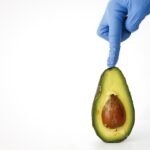
Avocado Seed Powder Health Benefits: Superfood or Hype?
It is likely that you, like millions of others, enjoy the creamy, nutrient-dense flesh of an avocado on toast, in salads, or blended into a smoothie. It has become a staple of the modern diet, praised for its heart-healthy monounsaturated fats.
However, once the flesh is gone, the large stone (or pit) usually meets a swift end in the bin. Recently, a growing wellness trend has emerged suggesting that we are discarding the most potent part of the fruit.
Social media platforms and health blogs are awash with claims regarding avocado seed powder health benefits, touting it as a miraculous cure-all for inflammation, high cholesterol, and skin issues.
But is this merely sustainable upcycling gone too far, or is there legitimate science to back it up?
Before you start grinding your avocado stones into your morning oats, it is vital to separate the anecdotal hype from clinical reality.
This article explores the nutritional profile, potential benefits, and critical safety concerns surrounding avocado seed powder.
Overview
The avocado (Persea americana) is unique amongst fruits. While most fruits are primarily carbohydrate-based, the avocado is rich in healthy fats.
Historically, extracts from the avocado stone have been used in traditional folk medicine in South American and African cultures to treat issues ranging from dysentery to hypertension.
Modern interest has surged due to analyses showing that the seed contains a substantial portion of the fruit's antioxidant content.
Proponents argue that by powdering the seed, you gain access to phenolic compounds, fibre, and amino acids that are otherwise wasted.
The powder is created by drying the stone—either in an oven or on a windowsill—and then blending it into a fine, rust-coloured dust. This powder is then added to smoothies, teas, or sauces.
However, despite the enthusiastic testimonials, the scientific community remains cautious. Most research claiming avocado seed powder health benefits has been conducted in test tubes or on animals, not humans.
Symptoms and Causes: Understanding the Need for Antioxidants
To understand why avocado seed powder has gained traction, we must look at the health concerns—or "symptoms"—that drive people toward high-antioxidant superfoods, and the "causes" or mechanisms by which the seed might help.
The 'Symptoms': Why People Turn to the Seed
Consumers typically seek out supplements like avocado seed powder to address specific metabolic and systemic issues.
High Cholesterol and Heart Health:
One of the primary drivers for using this powder is the management of lipid profiles. Elevated LDL (bad) cholesterol is a silent symptom of poor cardiovascular health. Users often hope the fibre and antioxidants in the seed will act as a natural statin.
Oxidative Stress and Inflammation:
Chronic inflammation is often invisible but manifests as fatigue, joint pain, or skin issues. The search for potent anti-inflammatory agents leads many to the avocado seed, which is rich in phytochemicals.
Blood Sugar Fluctuations:
For those managing pre-diabetes or type 2 diabetes, natural methods to stabilise blood glucose are highly sought after. Spikes in blood sugar are the symptom; insulin resistance is the cause.
The 'Causes': Nutritional Mechanisms of the Seed
Why might the seed theoretically help? The "cause" of the potential benefit lies in its chemical composition.
Polyphenols and Flavonoids:
Research indicates that the seed husks contain higher concentrations of antioxidants like catechins and procyanidins than the flesh itself. These compounds combat oxidative stress.
Fibre Content:
Avocado seeds are a significant source of dietary fibre. Fibre is crucial for gut health, promoting regular bowel movements and feeding beneficial gut bacteria, which can indirectly boost immune function.
Antimicrobial Compounds:
Test-tube studies suggest the seed extract may inhibit the growth of harmful bacteria, including Clostridium sporogenes and Staphylococcus aureus, as well as fungal strains like Candida.
Vasorelaxant Properties:
Some animal studies suggest that extracts from the seed may help relax blood vessels, potentially lowering blood pressure (hypertension), which is a major risk factor for heart disease.
Treatment and Management: Preparation and Consumption
If you decide to try avocado seed powder, treating it as a supplement rather than a food staple is advisable. Below is the management of the process, from preparation to intake.
Preparation: Making the Powder
Creating the powder at home is labour-intensive but straightforward.
- Extraction: Remove the stone from the avocado but do not discard it. Wash it thoroughly to remove any green flesh.
- Dehydration: Place the stone in an oven on a low heat (around 120°C) for two hours. This dries the stone out and loosens the outer skin. Alternatively, leave it on a sunny windowsill for several days.
- Peeling: Once dried, the thin, papery skin should flake off easily. Remove and discard this skin.
- Chopping: The dried stone will be hard but cuttable. Carefully slice it into smaller quarters. It should be orange or reddish inside.
- Grinding: Place the pieces into a high-powered blender or food processor. Pulse until it forms a fine powder.
Management: Dosage and Integration
Because the long-term safety of eating the stone is not fully established in humans, moderation is the key to management.
The Taste Barrier:
Be warned: unlike the flesh, the seed is extremely bitter and astringent due to the high tannin content. It is not a pleasant flavour on its own.
Smoothies:
The most common "treatment" method is masking the bitterness in a strong-flavoured smoothie. Pairing it with sweet fruits like banana, pineapple, or berries, and strong greens like spinach, can hide the taste.
Tea Infusions:
Some users prefer to steep the powder in boiling water to make tea. This is often consumed with honey or lemon to mitigate the bitterness.
Supplements:
Commercially prepared avocado seed capsules are becoming available. This allows for a controlled dosage without the hassle of drying and grinding, though the supplement market is less regulated.
Safety Warning: The Elephant in the Room
Before incorporating this into your management plan for health, you must consider safety.
Avocado pits contain persin, a fungicidal toxin. While persin is generally considered harmless to humans in the small quantities found in the flesh, it is more concentrated in the pit and skin.
Persin is known to be toxic to many animals, including birds, rabbits, and horses.
Furthermore, the California Avocado Commission specifically advises against consuming the pit. They state that there is not enough data to ensure it is safe for human consumption.
Most studies highlighting benefits used highly specific ethanol extracts, not the whole crude powder you would make in your kitchen. Therefore, "treatment" with this powder is experimental at best.
Tips for Safe Exploration
If you are keen to explore the avocado seed powder health benefits despite the lack of human trials, follow these tips to minimise risk.
1. Start Micro:
Do not use a whole seed at once. Start with a quarter of a teaspoon of the powder to see how your digestive system reacts. The high tannin content can cause constipation or stomach upset in some individuals.
2. Hydrate Well:
The powder is very dry and fibre-dense. Ensure you are drinking plenty of water throughout the day to aid digestion.
3. Rotate Your Superfoods:
Do not rely on this powder daily. Cycle it with other proven antioxidant sources like chia seeds, flaxseeds, or matcha, which have established safety profiles.
4. Listen to Your Body:
If you experience nausea, bloating, or abdominal pain, cease consumption immediately.
5. Mask the Flavour Strategy:
Use strong masking agents. Cacao powder is excellent for covering the bitterness of the seed, as they share similar earthy notes.
6. Consult Your GP:
If you are on medication for blood pressure or blood thinners, consult your doctor. The potential vasorelaxant properties of the seed could interact with prescribed medication.
The Bottom Line
The buzz surrounding avocado seed powder health benefits is not entirely without merit, but it is heavily reliant on preliminary data.
The seed is undoubtedly rich in antioxidants, fibre, and phenolic compounds that show promise in test-tube and animal studies for lowering cholesterol and fighting bacteria.
However, the leap from a petri dish to the human body is significant.
Currently, there is a lack of clinical evidence confirming that eating the seed is safe or effective for humans.
The presence of antinutrients and the toxin persin suggests that caution is necessary. Institutions like the California Avocado Commission do not recommend eating the seed.
While the concept of reducing food waste is noble, your health must come first.
For now, the safest bet is to continue enjoying the delicious, nutrient-packed flesh of the avocado and perhaps compost the stone rather than eating it.
If you are looking for antioxidants, sticking to blueberries, green tea, and dark leafy greens remains the evidence-backed choice until human trials on avocado seeds give us the green light.