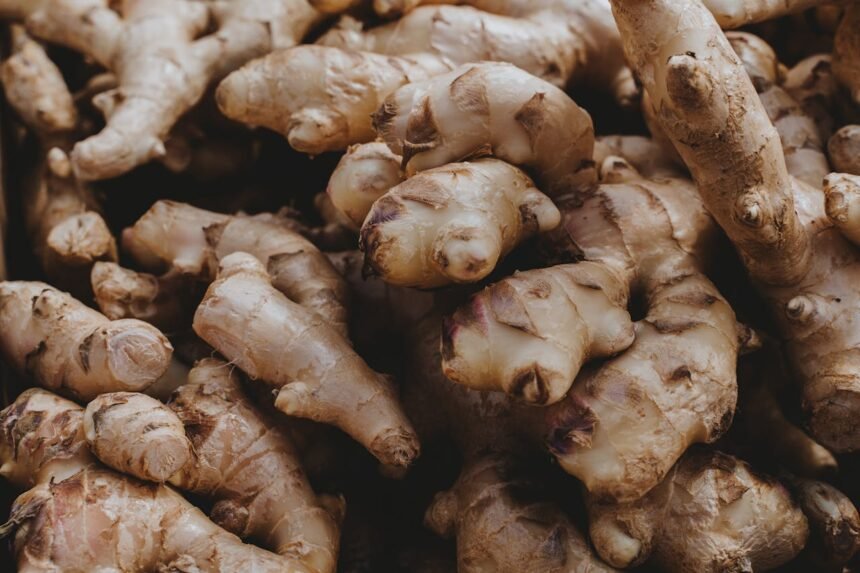
If you love cooking with fresh ingredients, you have likely seen mature ginger in the supermarket. It has a tough, brown skin and a spicy kick. But have you ever heard of baby ginger?
This special version of the root is harvested early. It is tender, mild, and vibrant. Chefs and home cooks love it because it does not have the fibrous texture of older ginger. You can even eat the skin.
Baby ginger is a seasonal treat that offers a unique twist on a classic flavour. Here is everything you need to know about this delicious root, from its health benefits to how you can grow it at home.
Key Takeaways
* Edible Skin: Unlike mature ginger, young ginger rhizomes have thin, tender skin that you do not need to peel.
* Milder Taste: It has a mild ginger flavour that is less spicy and more floral than the ginger you buy year-round.
* Seasonal Availability: It has a short ginger harvest season, usually appearing in late summer or early autumn.
* Versatile: It is perfect for pickling, stir-fries, and teas because it is a low-fibre ginger root.
* Health Boost: It contains gingerol, which supports digestion and lowers inflammation.
What Is Baby Ginger?
Baby ginger, also known as young ginger or spring ginger, is simply the ginger root harvested before it fully matures. Farmers pull it from the ground after about four to six months of growth, rather than waiting the full ten months for mature ginger.
Because it is harvested so early, the root has not yet developed a thick, papery protective layer. Instead, it has beautiful, cream-coloured and pink scales. The texture is crisp and juicy, almost like an apple.
It is highly prized in Asian cuisine and is often listed among seasonal Asian vegetables in speciality markets. The entire root is usable, so there is zero waste when you cook with it.
Baby Ginger vs Mature Ginger: What Is the Difference?
It is easy to confuse the two if you are not looking closely, but they are quite different in the kitchen.
1. Appearance
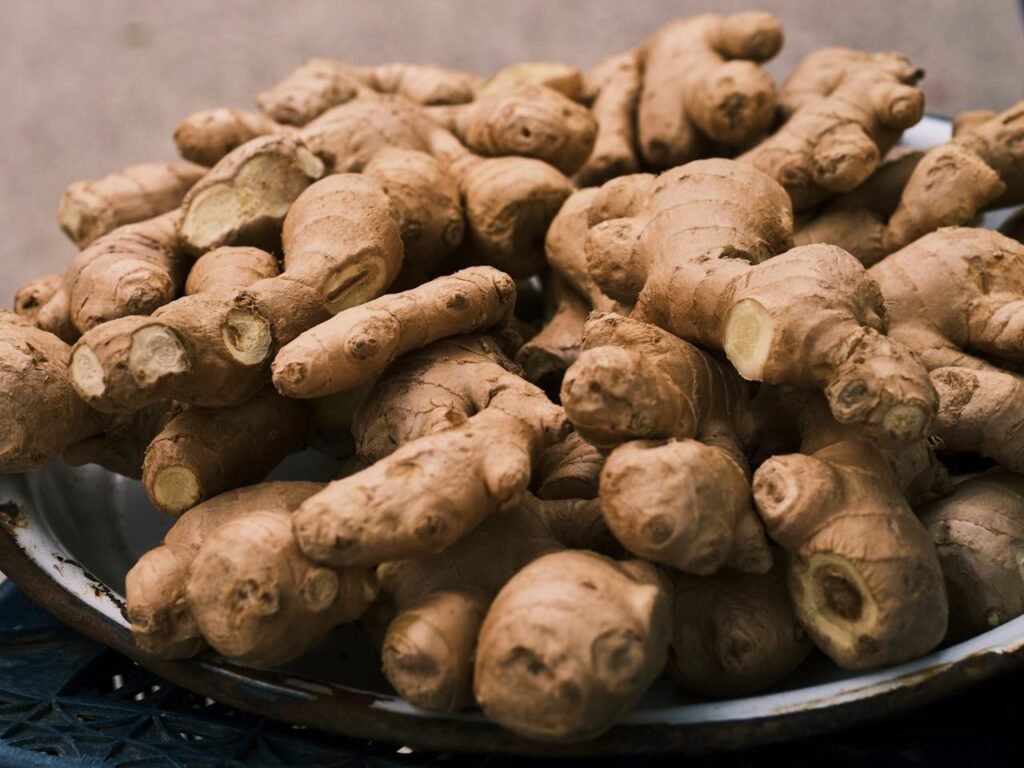
Mature ginger has a rough, tan skin that must be peeled. Baby ginger features cream-coloured ginger skin with bright pink tips. It looks fresh and clean compared to the knobbly roots found in most shops.
2. Texture
Mature ginger can be stringy and tough. You often have to grate it finely to avoid getting stuck with fibres in your teeth. Baby ginger is a low-fibre ginger root. It snaps easily and can be sliced into thick chunks for eating.
3. Flavour
The older the ginger, the spicier it gets. Mature ginger packs a serious punch of heat. Baby ginger offers a mild ginger flavour. It is zesty and floral but won’t burn your tongue in the same way.
For more on the different types of ginger, you can visit the Royal Horticultural Society for botanical details.
Top Health Benefits of Young Ginger
Just like its mature counterpart, baby ginger is packed with goodness. It has been used in natural medicine for centuries.
Soothes the Stomach
One of the most famous ginger health benefits digestion support. Drinking a tea made from fresh slices can help settle an upset tummy. It is often recommended for nausea or travel sickness. You can read more about nausea remedies on the NHS website.
Fights Inflammation
Ginger contains a compound called gingerol. This natural oil has powerful anti-inflammatory effects. Eating tender ginger roots regularly may help reduce muscle pain and soreness. Organisations like Versus Arthritis highlight ginger as a helpful dietary addition.
Boosts Immune System
Fresh ginger has antioxidant properties. Adding it to your diet during cold and flu season is a smart move. It warms the body and may help fight off infections.
How to Use Baby Ginger in Your Cooking
Because you do not need to peel it, baby ginger is incredibly easy to use. Just give it a quick wash, and you are ready to go. Here are some simple ways to enjoy it.
Stir-Fries and Salads
Slice the ginger into thin matchsticks. Toss them into a stir-fry at the very end of cooking to keep them crunchy. You can also add raw slices to salads for a zesty kick. The edible ginger skin adds a lovely pop of colour.
Fresh Tea
Steeping slices in hot water creates a soothing drink. Fresh ginger tea benefits include warming you up on a cold day and aiding digestion after a heavy meal. Add a slice of lemon and a drop of honey for extra flavour.
Steam with Fish
Place large slices of baby ginger on top of a fish fillet before steaming. The mild heat infuses the fish without overpowering the delicate seafood taste. For more recipe inspiration, check out BBC Good Food.
Simple Guide to Pickling Ginger at Home
The pink ginger served with sushi is made from young ginger. This is the most classic way to preserve young ginger rhizomes. Since baby ginger is naturally pink at the tips, your pickle will turn a beautiful blush colour without any artificial dyes.
Quick Pickle Recipe:
1. Wash and slice the ginger thinly.
2. Mix rice vinegar, sugar, and a pinch of salt in a pan.
3. Heat the mixture until the sugar dissolves.
4. Pour the hot liquid over the ginger slices in a clean jar.
5. Let it cool and store it in the fridge.
Pickling fresh ginger preserves its crunch and flavour for months. It is a great way to extend the short season.
How to Store and Freeze Fresh Ginger
Baby ginger is perishable. Because it lacks a thick skin, it dries out quickly if left on the counter. You must store it correctly to keep it fresh.
In the Fridge
Wrap the ginger in a paper towel and place it in a plastic bag. Keep it in the crisper drawer of your fridge. It will stay fresh for about two to three weeks.
In the Freezer
If you buy more than you can eat, freezing is the best option. Freezing whole ginger is simple. Wash the roots, dry them thoroughly, and pop them into a freezer bag. You can grate the frozen ginger directly into your cooking later.
Proper storage helps reduce food waste. The Food Standards Agency offers excellent general advice on chilling food safely.
Where to Buy Baby Ginger
You won’t always find this gem in a standard supermarket. It requires a bit of hunting.
* Asian Markets: These are your best bet. Look for it during the ginger harvest season, which is typically late summer to early autumn.
* Farmers’ Markets: Some local growers may sell organic ginger farming produce. Ask the farmers if they harvest any young roots.
* Online Specialist Stores: Several UK-based vegetable box schemes now offer seasonal Asian vegetables.
Can You Grow Baby Ginger at Home?
Yes, you can! Growing ginger in pots UK style is becoming popular. Ginger is a tropical plant, but it thrives indoors or in a greenhouse.
Steps to Grow Your Own:
1. Buy a Rhizome: Look for a plump piece of fresh organic ginger with visible ‘eyes’ or buds.
2. Plant Shallowly: Use a wide pot with good drainage. Plant the root just below the surface of the soil.
3. Keep Warm: Ginger needs heat. Keep the pot in a warm, sunny spot or a conservatory.
4. Harvest Early: For baby ginger, harvest the roots after about 4-6 months, before the leaves die back. If you wait longer, you will get mature ginger.
For detailed gardening advice, Gardeners’ World has a fantastic guide on getting started. You can also learn about plant families at Kew Gardens.
The Bottom Line
Baby ginger is a delightful ingredient that brings a fresh, crisp texture to your kitchen. It is far easier to prepare than mature ginger because you do not need to peel it. With its mild ginger flavour and edible ginger skin, it is perfect for everything from stem ginger recipes to simple teas.
Although it has a short season, you can enjoy it year-round by freezing or pickling it. Whether you buy it from a specialist market or try growing it yourself, this tender root is well worth the effort. It is a simple way to add health benefits and great taste to your diet.
For more information on healthy eating and spices, visit the British Heart Foundation. You can also read about diet and cancer prevention at Cancer Research UK or explore the benefits of spices at Johns Hopkins Medicine.