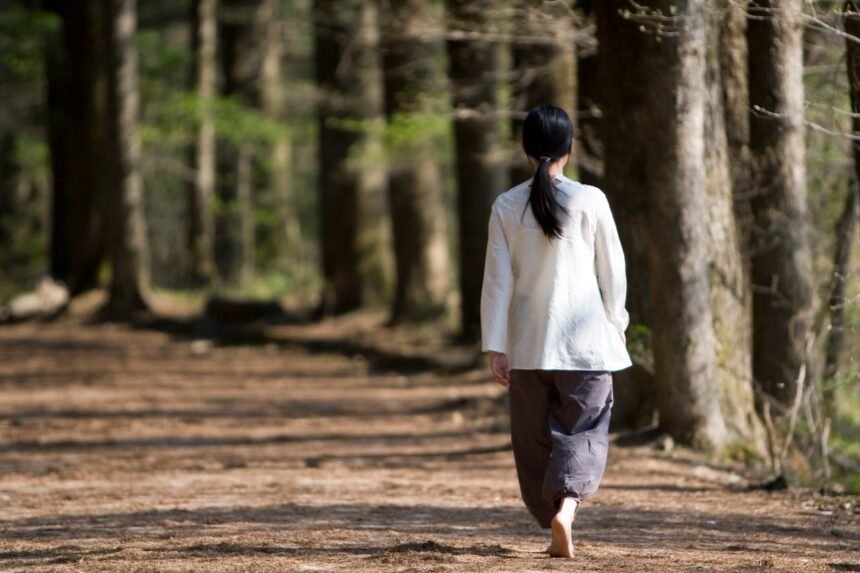
There is a primal satisfaction in feeling the cool dampness of morning dew on the grass or the shifting texture of sand beneath your feet. For many, removing shoes is simply a way to cool down or relax, but a growing body of enthusiasts and researchers suggests there is much more to it than simple comfort.
Known as “earthing” or “grounding,” the practice of walking barefoot allows for direct contact with the surface of the Earth. Proponents argue that this connection can recharge the body, reduce inflammation, and reset our biological clocks. However, shedding your shoes—especially if you have spent a lifetime in cushioned sneakers—comes with its own set of risks.
Whether you are looking to improve your balance or simply feel more connected to nature, understanding the mechanics of barefoot walking is essential. This article explores the science, the benefits, and the safety considerations of starting a morning earthing routine.
What Is Earthing?
Earthing, or grounding, relies on the theory that the Earth carries a vast supply of negatively charged electrons. In our modern lives, we are insulated from these electrons by rubber-soled shoes, synthetic flooring, and elevated beds.
According to research published in the Journal of Environmental and Public Health, re-establishing this contact allows for the transfer of electrons from the earth into the human body. This transfer is hypothesized to neutralize free radicals—unstable atoms that can damage cells and contribute to aging and disease.
While this might sound esoteric, the concept aligns with the basic physics of conductivity. The human body is conductive, and the Earth is a battery of sorts. The benefits of direct skin contact with the ground may extend beyond simple mechanics, potentially influencing physiological processes at a cellular level.
The Physical Benefits of Shedding Shoes
While the electromagnetic theories of earthing are still being debated in some medical circles, the biomechanical benefits of walking without shoes are well-documented.
Restoring Natural Foot Mechanics
Modern footwear often restricts the natural movement of the foot. Narrow toe boxes compress the toes, while excessive cushioning dampens the sensory feedback we receive from the ground. By removing these barriers, you encourage natural foot mechanics, allowing the toes to splay and the arch to function as a natural shock absorber.
Over time, relying heavily on supportive shoes can lead to weak arches. Barefoot walking demands more from the small muscles in your feet and ankles, leading to increased intrinsic foot muscle strength. This strength is crucial for overall stability and injury prevention.
If you are interested in how alignment affects your entire body, you might find our guide on Perfecting Your Walking Posture helpful for understanding the kinetic chain.
Enhanced Proprioception and Balance
Proprioception is your body’s ability to sense its position in space. The soles of your feet are densely packed with nerve endings designed to send information to your brain about the terrain. Thick soles blunt this mechanism.
Walking barefoot heightens sensory feedback from feet, forcing your brain to pay closer attention to how you move. This increased awareness serves as one of the most effective proprioception improvement exercises available.
Research from the Cleveland Clinic highlights that improving proprioception is vital for balance, particularly as we age, reducing the risk of falls and ankle sprains. This heightened awareness pairs well with Walking Meditation, where mindfulness of every step is the primary goal.
The Physiological Impact: Inflammation and Sleep
Beyond the muscles and bones, earthing advocates suggest that the practice can have profound effects on our internal systems.
Reducing Inflammation
Chronic inflammation is a driver of many modern chronic diseases, including cardiovascular issues and type 2 diabetes. One of the central tenets of earthing research is the potential for reducing chronic inflammation naturally.
The theory posits that the influx of electrons from the ground neutralizes positively charged free radicals (which drive inflammation) in the body. While more large-scale clinical trials are needed, preliminary studies suggest a correlation between grounding and reduced markers of inflammation. For a deeper understanding of inflammation’s role in the body, the National Institute of General Medical Sciences provides extensive resources.
Circadian Rhythms and Sleep
Exposing yourself to natural light early in the day is a well-known strategy for circadian rhythm regulation. Combining this light exposure with barefoot contact may amplify the effect.
The Sleep Foundation notes that regulating your internal clock is essential for quality sleep. A morning walk barefoot on the grass helps synchronise cortisol secretion, ensuring levels are high in the morning (for alertness) and low at night (for sleep). This creates a powerful synergy with The Psychological Power of a Sunrise Stroll.
Mental Wellbeing and Anxiety
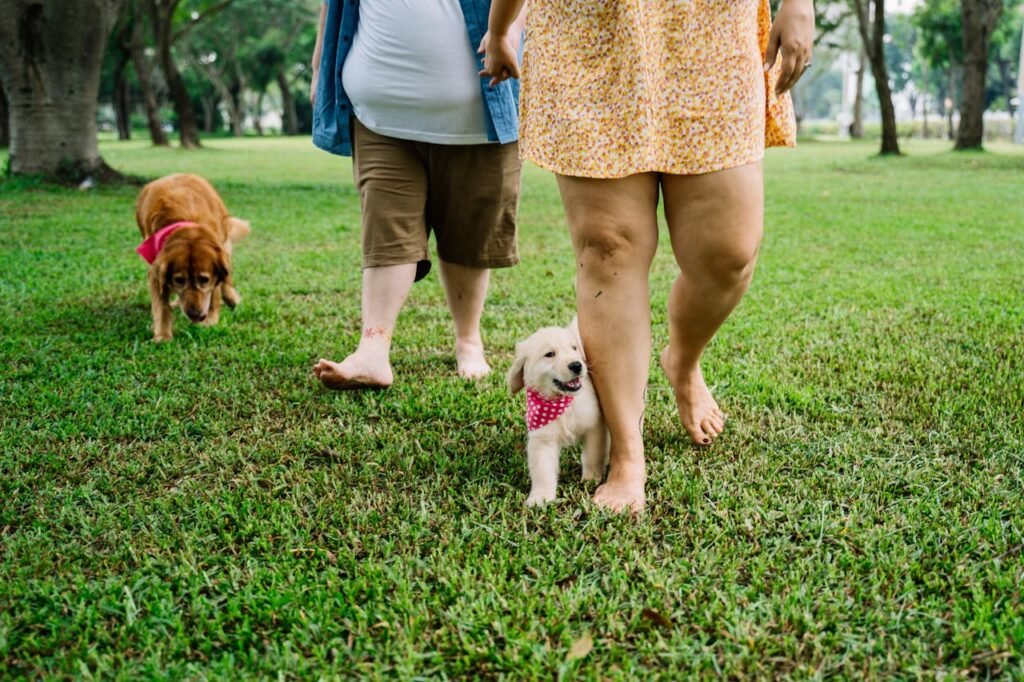
There is a psychological component to feeling the ground. Grounding techniques for beginners in therapy often involve physical sensations to pull a patient out of a panic attack and into the present moment.
Barefoot walking acts as a literal grounding technique. The texture of the grass or sand demands attention, pulling the mind away from anxious rumination. This leads to stress hormone reduction, specifically cortisol. A study discussed by the Mayo Clinic on stress management indicates that connecting with nature is a potent stress reliever.
If you suffer from morning anxiety, integrating barefoot movement could be an extension of the strategies found in Walking for Anxiety.
The Risks: When to Keep Your Shoes On
Despite the benefits, barefoot walking is not without significant risks, particularly for those accustomed to protective footwear.
Lack of Protection
The most obvious danger is injury from foreign objects. Glass, rusty nails, thorns, and sharp rocks pose a threat, especially in urban environments. Furthermore, walking barefoot in public areas exposes you to bacteria and fungi, increasing the risk of infections like athlete’s foot or plantar warts.
Biomechanical Strain
If you have spent decades in shoes with a raised heel (which most running shoes have), your Achilles tendon and calf muscles may have shortened. abruptly switching to barefoot walking can place immense strain on these tissues, potentially leading to Achilles tendinitis or calf strains.
Furthermore, while plantar fascia stimulation occurs when walking barefoot, excessive strain without a transition period can trigger plantar fasciitis—a painful inflammation of the tissue connecting your heel bone to your toes. The NHS provides detailed guidance on managing heel pain if you suspect you have overdone it.
Structural Foot Issues
Individuals with specific foot deformities, such as severe flat feet or diabetic neuropathy, should consult a healthcare professional before ditching their shoes. In cases of neuropathy, the lack of sensation means you might injure your foot without realising it.
How to Start a Morning Earthing Routine safely
To reap the rewards without the injuries, you must transition slowly. Here is a guide to building a safe practice.
1. Start on Soft Surfaces
Do not begin on concrete or asphalt. The walking on grass benefits include a softer impact that is more forgiving on your joints. Sand is another excellent option, though it requires more energy output. This aligns with the outdoor benefits discussed in Outdoor Walking vs Treadmill.
2. The 10-Minute Rule
Begin with just 10 minutes of barefoot walking every other day. This allows the skin on your soles to toughen slightly and gives your muscles time to adapt. You can incorporate this into a longer routine; for example, do your warm-up barefoot before putting on shoes for the rest of your walk. See our guide on 10 Science-Backed Morning Walk Benefits for how to structure the rest of your session.
3. Incorporate Strength Work
To support the transition, perform ankle stability exercises and foot strengthening movements at home. Simple acts like picking up a towel with your toes or balancing on one leg can accelerate your progress. These can be added to your Essential Morning Walking Stretches.
4. Consider Minimalist Footwear
A minimalist footwear transition is often a safer bridge than going cold turkey. Minimalist shoes, or “barefoot shoes,” offer a thin layer of puncture protection while having zero drop (no height difference between heel and toe) and a wide toe box.
Harvard Health suggests that these shoes can mimic the mechanics of barefoot walking while providing a safety net against cuts and abrasions.
5. Listen to Your Body
If you feel sharp pain in your heel or arch, stop immediately. Soreness in the calves is normal; sharp pain in the tendons is not. Adjusting your pace is also helpful. Learn more about pacing in What is the Ideal Walking Pace.
Integrating Earthing into Your Morning
A typical routine might look like this:
- Hydrate: Drink water before heading out.
- Warm-up: gentle ankle circles.
- The Walk: 15 minutes of walking on wet grass in your garden or a clean park.
- Observation: Focus on the temperature and texture of the ground.
- Cool Down: Wash feet thoroughly and inspect for cuts.
This short session can serve as a prelude to a more rigorous workout. If you are looking to lose weight, you might switch to trainers after your earthing session and continue with a brisk walk as described in The Transformative Power of a Consistent 30 Minute Walk.
Furthermore, pay attention to your heart rate. Even though barefoot walking is often slower, the mechanical inefficiency can raise your pulse. Use our guide on Understanding Your Walking Heart Rate to stay in the right zone.
The Bottom Line
Barefoot walking offers a unique combination of biomechanical strengthening and potential physiological grounding. By stripping away the layers between you and the earth, you may improve your balance, strengthen your feet, and find a moment of calm in a chaotic world.
However, the transition must be respectful of your body’s current conditioning. Modern feet are often pampered feet. Rushing into a barefoot lifestyle can lead to injury. Start slow, choose safe surfaces like grass, and consider a gradual transition via minimalist footwear.
Whether you believe in the electron-exchange theory of earthing or simply enjoy the feeling of freedom, taking those first few steps unshod can be a refreshing addition to your morning wellness regimen.