The Psychological Power of a Sunrise Stroll: Starting Your Day with Natural Light
There is a distinct stillness that occurs just as the sun begins to crest the horizon. For many, this hour is reserved for sleep, but a growing body of research suggests that integrating a sunrise stroll into your daily routine could be the single most effective intervention for your mental health.
Unlike a frantic rush to the gym or a high-intensity interval session, a sunrise stroll is about rhythmic movement and exposure to specific wavelengths of light. It is a practice that combines low-impact exercise with the potent biological trigger of dawn.
While we often focus on the physical calorie burn of exercise, the psychological impact of early morning light exposure is profound. It sets the tone for your mood, energy, and cognitive function for the next 16 hours.
Whether you are looking to alleviate anxiety, improve sleep quality, or simply start your day with intention, stepping outside as the world wakes up offers benefits that indoor exercise simply cannot replicate. The Transformative Power of a Consistent 30 Minute Walk Every Morning is not just about steps; it is about synchronising your biology with the planet.
Overview: The Biology of Dawn
To understand why a sunrise stroll is so psychologically powerful, we must look at the body’s internal timekeeping system. Every cell in your body operates on a 24-hour cycle known as the circadian rhythm.
This rhythm is primarily governed by the suprachiasmatic nucleus (SCN) in the brain, which is highly sensitive to light. When you step outside for a sunrise stroll, specialized cells in your retina (called melanopsin ganglion cells) detect the specific quality of morning light—specifically the contrast between yellow and blue wavelengths.
This triggers a cascade of neurochemical reactions. First, it suppresses melatonin, the hormone responsible for sleepiness. Simultaneously, it triggers a healthy cortisol awakening response. While cortisol is often associated with stress, a morning spike is essential for alertness, focus, and immune system regulation.
Circadian Rhythm Alignment
Achieving circadian rhythm alignment is crucial for mental stability. Disrupted rhythms are strongly linked to mood disorders, including depression and bipolar disorder. By exposing yourself to natural light within an hour of waking, you anchor your biological clock.
According to the National Institute of General Medical Sciences, these rhythms influence hormone release, eating habits and digestion, and body temperature. When you walk outside rather than on a treadmill, the intensity of light (measured in lux) is significantly higher, even on cloudy days, which creates a stronger signal for your brain.
For a deeper dive on why the outdoors beats the gym for this specific purpose, read about Outdoor Walking vs Treadmill: Why Fresh Air Enhances Your Morning Routine.
Symptoms and Causes: The Light-Mood Connection
Many people suffer from low mood, lethargy, or anxiety in the morning. This is often exacerbated by "social jetlag"—a mismatch between our internal clocks and our social schedules—and a lack of natural light.
Serotonin Production
Sunlight is a catalyst for serotonin production in sunlight. Serotonin is the neurotransmitter often dubbed the "happy chemical," responsible for mood stabilisation and feelings of well-being. A sunrise stroll increases serotonin turnover in the brain, which helps generate a positive mood and a sense of calm.
Research from the Mayo Clinic suggests that lack of sunlight can lead to a drop in serotonin levels, which may trigger depression. This is particularly relevant for those suffering from seasonal issues.
Seasonal Affective Disorder (SAD) Relief
In the UK, the darker months can trigger Seasonal Affective Disorder (SAD). However, getting outside for a sunrise stroll, even in winter, can provide Seasonal Affective Disorder (SAD) relief. The morning light is the most effective time for light therapy.
According to the NHS, getting plenty of natural sunlight is a primary self-help recommendation for managing SAD symptoms. Combining this light exposure with the rhythmic movement of walking creates a dual-action antidepressant effect.
Anxiety and The Nervous System
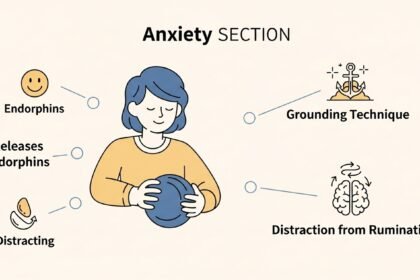
Morning anxiety is a common phenomenon, often driven by elevated baseline cortisol levels or anticipatory stress. Walking engages the parasympathetic nervous system, helping to down-regulate stress responses. If you struggle with morning nerves, consider reading Walking for Anxiety: How a Morning Routine Can Calm Your Nervous System.
Furthermore, the concept of "optic flow"—the visual motion of the environment passing by your eyes as you move forward—has been shown to quiet the amygdala, the brain’s fear centre. This visual cortex stimulation literally tranquilises the anxiety circuits in the brain.
Treatment and Management: A Natural Prescription
A sunrise stroll acts as a form of morning nature therapy (ecotherapy). It is a low-barrier intervention that can be managed alongside other treatments for mental health conditions.
The Sleep-Wake Cycle
It may seem counterintuitive, but your morning walk determines how well you sleep at night. Sleep-wake cycle regulation relies on that early light signal to start a timer for melatonin production roughly 12 to 14 hours later.
The Sleep Foundation notes that exposure to daylight is one of the most critical factors for regulating sleep patterns. If you don't get enough light in the morning, your body may delay melatonin release, leading to insomnia.
Vitamin D and Immunity
While the psychological benefits are paramount, the physical benefits support mental health. Vitamin D synthesis occurs when skin is exposed to sunlight. Vitamin D deficiency is highly correlated with depression and cognitive decline. While morning sun is less intense, regular exposure contributes to maintaining healthy levels.
For a comprehensive look at the physical synergy, see 10 Science-Backed Morning Walk Benefits for Your Physical and Mental Wellbeing.
Metabolism and Mental Clarity
Starting the day with movement increases blood flow to the brain, enhancing executive function. This biological clock reset also cues your metabolism. For those interested in the metabolic interplay, see Why Morning Cardio via Brisk Walking is the Ideal Way to Kickstart Your Metabolism.
Tips for the Perfect Sunrise Stroll
To maximise the psychological benefits of your sunrise stroll, consistency and approach are key. Here is how to structure your routine.
1. Timing is Everything
Aim to be outside within 30 to 60 minutes of waking up. This is the critical window for blue light regulation. Natural morning light contains the blue spectrum needed to wake up your brain, unlike the artificial blue light from screens which we want to avoid late at night.
2. Ditch the Sunglasses
To get the full benefit of visual cortex stimulation, avoid wearing sunglasses for the first 10–20 minutes, provided it is safe and the sun is not too glaring. Never look directly at the sun; simply letting the light hit your eyes indirectly is sufficient.
3. Embrace Mindfulness
Turn your walk into a moving meditation. Listen for the dawn chorus benefits—the sound of birdsong has been proven to lower stress markers. Focus on the sensation of your feet on the ground. This creates a state of mindful morning movement.
If you are new to this concept, our guide on Walking Meditation: How to Practise Mindfulness with Every Step You Take offers practical steps.
4. Posture and Pace
While this is a mental health walk, your body mechanics matter. A slouching posture can reinforce feelings of fatigue. Adopt a tall, confident stance. Check Perfecting Your Walking Posture: A Step-by-Step Guide for Pain-Free Movement to ensure you are walking efficiently.
Establish a brisk morning gait. You don't need to run, but a purposeful pace releases endorphins. Monitor your intensity by understanding your zones; read Understanding Your Walking Heart Rate: How to Optimise Your Aerobic Zone.
5. Fueling Your Walk
Some prefer fasted walking for metabolic flexibility, while others need fuel. If you prefer walking empty, read Fasted Walking: Is Exercising on an Empty Stomach Better for Fat Loss?.
However, if you need a boost, choose small, easily digestible options. See The Best Pre-walk Snacks for Sustained Energy During Your Morning Exercise.
After your stroll, nourish your body to support the brain-body connection. Ideas can be found in The Ultimate Post-walk Breakfast Ideas to Refuel Your Body and Build Muscle.
6. Nature Immersion
Try to walk in a park or near greenery if possible. The American Psychological Association highlights that time in nature yields cognitive benefits, including improved attention and lower stress.
The Bottom Line
The "sunrise stroll" is more than a poetic idea; it is a scientifically validated tool for mental hygiene. By combining outdoor mood enhancement with physical activity, you are treating your mind to a cocktail of neurochemicals that pharmaceuticals struggle to replicate.
Starting your day with natural light aligns your circadian rhythms, reduces cortisol, boosts serotonin, and improves sleep quality. It requires no membership fees and minimal equipment. According to the CDC, regular physical activity is one of the most important things you can do for your health.
Whether you are walking for weight loss—learn more at A Complete Guide to Morning Walking for Weightloss and Sustainable Fat Loss—or for mental clarity, the sunrise stroll is a habit that pays dividends all day long.
Further research from Harvard Health confirms that walking can ease joint pain, boost immune function, and tame a sweet tooth, all while bolstering mental health. Additionally, organisations like Mind.org.uk champion the benefits of getting active in nature for mental wellbeing.
Commit to this practice for one week. Wake up, step out, and let the light in.