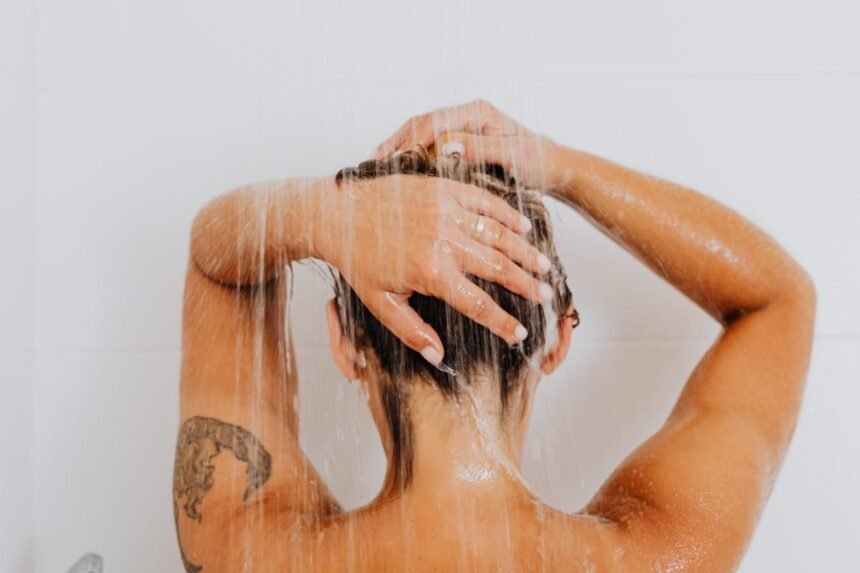
For many, the idea of stepping out of a warm bed and straight into a freezing stream of water sounds like a nightmare. However, the benefits of cold showers in the morning* are compelling enough to convince even the most ardent heat-lovers to take the plunge. From elite athletes to wellness gurus, advocates of *cold water therapy benefits claim that this simple habit can revolutionise your physical and mental well-being.
While a hot shower feels luxurious, a cold one is functional. It wakes you up, kick-starts your metabolism, and builds mental resilience. In this comprehensive guide, we will explore the science behind cold exposure, detail the specific health advantages, and provide a practical guide on how to start taking cold showers safely.
The Science Behind the Shiver
Why does cold water have such a profound effect on the body? The answer lies in our physiological response to stress. When cold water hits your skin, your body enters a state of alert. This reaction, often referred to as the ‘fight-or-flight’ response, triggers a flood of hormones and neurochemicals designed to help you survive extreme conditions.
One of the primary mechanisms at play is the activation of the sympathetic nervous system. This increases your heart rate and blood pressure, diverting blood flow to your vital organs to keep them warm. Simultaneously, your body releases endorphins and noradrenaline, chemicals associated with energy, focus, and mood regulation. This physiological chain reaction is the foundation of cold hydrotherapy at home.
> “The cold is a teacher. It shows you where your mind is weak and teaches you how to be strong.” — Wim Hof
Key Health Benefits of Morning Cold Showers
Integrating a cold rinse into your morning routine for energy can yield impressive results. Here are the primary areas where you are likely to see improvements.
1. Boost Immune System Naturally
One of the most scientifically supported claims is the link between cold exposure and improved immunity. A landmark study conducted in the Netherlands found that participants who finished their daily shower with cold water for at least 30 seconds took 29% fewer sick days than those who didn’t.
Researchers believe that the shock of cold water stimulates the production of leukocytes (white blood cells), which fight off infection. If you are looking for a simple way to boost immune system naturally, this might be the most accessible method available. Read the PLOS One study here.
2. Mental Health and Alertness
The shock of cold water forces you to breathe deeply, increasing oxygen intake and heart rate. This results in a natural dose of energy that can help you wake up without caffeine. Furthermore, cold exposure has been shown to increase synaptic release of noradrenaline in the brain, a chemical that mitigates low mood.
Studies suggest that regular cold water immersion can be effective in relieving symptoms of depression and anxiety. The intense sensation functions as a form of mindfulness, anchoring you in the present moment—a key aspect of the mental health benefits of cold water. Learn more about cold water and mental health.
3. Metabolic Boost and Weight Loss
Can a cold shower really help you lose weight? The science suggests it plays a role. Humans have two types of fat: white fat (which stores energy) and brown fat (which burns energy to generate heat). Cold exposure stimulates brown adipose tissue activation.
When you are cold, brown fat becomes active to maintain your body temperature, burning calories in the process. While it is not a magic pill, using a cold shower for weight loss alongside a healthy diet can support your metabolic health. Research on Brown Adipose Tissue.
4. Muscle Recovery and Reduced Inflammation
Athletes have long used ice baths to reduce muscle soreness after workout sessions. Cold water causes blood vessels to constrict (vasoconstriction), which flushes out lactic acid and reduces inflammation in muscle tissue. When you warm up afterwards, oxygen-rich blood rushes back into the muscles, accelerating recovery.
For the average person, a cold shower can provide a milder version of this benefit, helping to relieve itchy skin naturally caused by inflammation or simply soothing a tired body after a gym session. See the effects of cold water on recovery.
5. Enhanced Skin and Hair Health
Hot water can strip away natural oils, leaving skin dry and hair brittle. In contrast, cold water tightens the cuticles of your hair and the pores of your skin. This helps to lock in moisture and prevents dirt from accumulating. Many people find that a cold rinse is a fantastic remedy to relieve itchy skin naturally and leaves their hair looking shinier and stronger. Dermatological benefits of cold water.

How to Start: A Beginner’s Guide
If you are new to cold exposure for beginners, do not jump into an ice-cold bath immediately. The key is gradual progression to build tolerance.
- The Scottish Shower*: Start with a warm shower as usual. In the last 30 seconds, turn the temperature down to cool. This is often called a *contrast shower technique.
- Gradual Temperature Drop: Over the course of two weeks, make the water colder and the duration longer. Aim for 1 to 2 minutes of cold exposure.
- Focus on Breathing*: When the cold hits, you will gasp. Control this by breathing deeply and slowly. This helps *improve circulation naturally and calms the nervous system.
- Consistency is Key: The benefits are cumulative. Try to make this a daily habit.
Comparison: Cold Shower vs. Caffeine
| Feature | Cold Shower | Caffeine |
| :— | :— | :— |
| Onset of Energy | Immediate (Shock response) | Delayed (15-30 mins) |
| Duration | Sustained alertness | Energy crash possible |
| Side Effects | Improved mood, circulation | Jitters, anxiety |
| Cost | Free | Varies |
Risks and Precautions
While generally safe, cold showers are not for everyone. The sudden drop in temperature causes a ‘cold shock response,’ which puts temporary strain on the heart. Individuals with heart disease, high blood pressure, or overheating issues should consult a doctor before attempting this. Safety advice on cold water shock.
Additionally, be mindful of natural ways to lower cortisol levels; while brief cold exposure is good stress (eustress), prolonged exposure can be overwhelming if your body is already under high stress. Listen to your body.
FAQ
1. How long should a cold shower last to see benefits?
Most studies suggest that 2 to 3 minutes is sufficient. Even 30 seconds can trigger the immune boosting effects. It is more about the frequency than the duration.
2. Can cold showers help with anxiety?
Yes. Cold water activates the vagus nerve, which helps regulate the parasympathetic nervous system (rest and digest). This can reduce heart rate and promote a sense of calm, making it one of the effective natural remedies for anxiety.
3. Is it better to take a cold shower in the morning or at night?
Morning is generally preferred because the rush of adrenaline and alertness helps you wake up. Taking one too late might make you too alert to sleep, although some find the subsequent drop in body temperature helps them rest.
4. What is the Wim Hof Method?
The Wim Hof Method combines specific breathing techniques, cold exposure, and commitment. It is an advanced form of cold therapy that claims to give you control over your immune system. Explore the Wim Hof Method.
5. Do cold showers improve testosterone?
While cold exposure reduces scrotal temperature (which is beneficial for sperm production), evidence linking cold showers directly to significantly higher testosterone levels in men is currently limited and inconclusive. Read more on fertility and temperature.
Conclusion
Embracing the benefits of cold showers in the morning* is a powerful way to take control of your health. It requires zero equipment, takes very little time, and offers rewards that range from a robust immune system to enhanced mental clarity. Whether you are looking to *improve circulation naturally, wake up faster, or simply challenge your comfort zone, the cold tap is waiting for you.
Start slowly, breathe through the initial shock, and you may soon realise that the most invigorating part of your day is the one you used to dread.