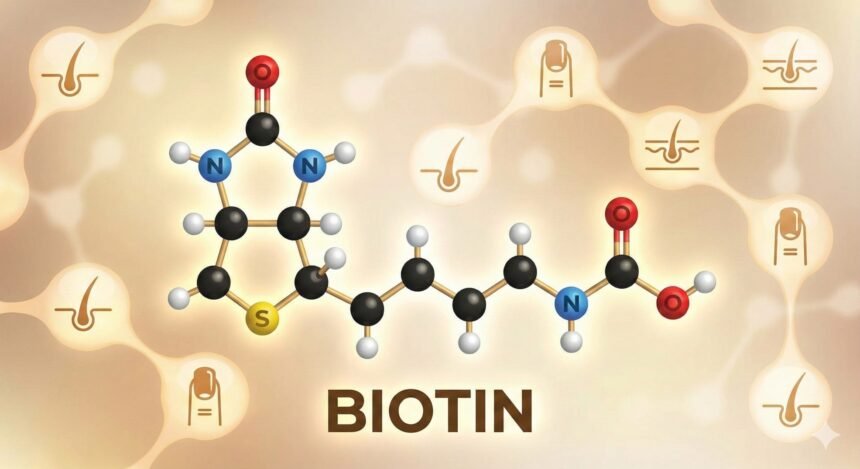
Walk down the supplement aisle of any pharmacy, and you will inevitably find Biotin (Vitamin B7) emblazoned with images of cascading hair, strong nails, and glowing skin. It has been effectively marketed as the ultimate “beauty vitamin.” While these aesthetic perks are certainly appealing, pigeonholing this essential nutrient as merely a cosmetic aid does it a significant disservice.
Biotin is a workhorse of the metabolic system, playing a critical role in how your body produces energy, regulates signals, and maintains internal structures. To understand the true importance of Vitamin B7, we must look deeper than the dermis. This article explores the biotin benefits beyond hair nails, revealing how this micronutrient supports metabolism, blood sugar regulation, and nervous system health.
What Exactly is Biotin?
Biotin is a water-soluble vitamin that is part of the Vitamin B complex. It acts as a coenzyme, meaning it is a necessary helper for enzymes—the catalysts for chemical reactions in the body—to function correctly. Because it is water-soluble, the body does not store it in significant amounts; excess biotin is eliminated through urine, making daily intake through diet or supplementation necessary.
While the beauty industry champions its ability to produce keratin (the protein that makes up hair and nails), biologists champion its ability to keep us alive.
1. The Metabolic Master Key: Converting Food into Energy
If your body were a car, macronutrients (carbohydrates, fats, and proteins) would be the fuel. However, fuel doesn’t burn itself. Biotin acts as the spark plug.
One of the most profound biotin benefits beyond hair nails is its involvement in three major metabolic processes:
- Gluconeogenesis: This is the metabolic pathway that results in the generation of glucose from non-carbohydrate carbon substrates. Biotin-dependent enzymes help the liver create glucose when blood sugar is low, ensuring your brain and muscles have fuel even when you haven’t eaten recently.
- Fatty Acid Synthesis: Biotin is essential for enzymes that activate fatty acid production. These fatty acids are vital for energy storage and for maintaining the lipid barrier of cell membranes.
- Amino Acid Breakdown: Before your body can use proteins from that chicken breast or tofu scramble, they must be broken down into amino acids. Biotin-containing enzymes facilitate the breakdown of several essential amino acids, including leucine.
Without adequate biotin, your metabolism becomes sluggish, leading to fatigue and digestive issues. The Office of Dietary Supplements (ODS) confirms that biotin deficiency, though rare, directly impairs these metabolic pathways.
2. Blood Sugar Regulation and Diabetes Management
Emerging research suggests a promising link between biotin and blood glucose control, particularly for those managing Type 2 diabetes. The mechanism involves the stimulation of glucokinase, an enzyme in the liver that promotes the synthesis of glycogen (stored sugar).
When glycogen synthesis is optimized, the body can clear glucose from the bloodstream more efficiently. Some studies indicate that combining biotin with chromium picolinate may improve insulin sensitivity and glycemic control in overweight individuals with Type 2 diabetes.
While it is not a replacement for insulin or standard medication, adequate biotin intake supports the body’s natural ability to maintain homeostasis. If you are struggling with energy crashes or blood sugar spikes, your B-vitamin status is worth reviewing with a healthcare provider.
3. Protecting the Nervous System and Cognitive Function
Perhaps the most exciting area of research regarding Vitamin B7 lies in neurology. The nervous system relies on biotin for the health of nerve cells and the transmission of signals.
The Myelin Connection
Nerve fibers are coated in a protective sheath called myelin, which acts like the insulation on an electrical wire. This sheath allows electrical impulses to transmit quickly and efficiently along the nerve cells. Biotin plays a crucial role in the production of fatty acids required to maintain and repair myelin.
This connection has led researchers to investigate high-dose biotin as a potential therapy for progressive Multiple Sclerosis (MS), a disease characterized by the degradation of the myelin sheath. According to the National Multiple Sclerosis Society, pilot studies have shown that high doses of biotin might stabilize disability progression in some patients, though more research is currently underway.
Even for those without neurological conditions, adequate biotin is necessary to prevent neuropathy (nerve damage) which often manifests as tingling or numbness in the extremities, mood changes, and cognitive fatigue.

4. Fetal Development During Pregnancy
When we think of pregnancy vitamins, Folate (Vitamin B9) usually takes the spotlight. However, Biotin is equally vital for embryonic growth. Rapidly dividing cells in a developing fetus require high levels of biotin for histone modification—a process that helps regulate DNA replication.
Alarmingly, marginal biotin deficiency is surprisingly common during pregnancy. This occurs because the metabolic demand for the vitamin accelerates faster than the dietary intake increases. While severe deficiency causing birth defects is rare in humans, maintaining optimal levels is crucial for the overall health of both the mother and the developing baby.
5. Tissue Maintenance and Muscle Repair
Athletes and fitness enthusiasts should take note: biotin is essential for tissue maintenance. Because of its role in protein synthesis and processing amino acids, biotin aids in the growth and repair of muscle tissues. If you are training hard, your body is constantly breaking down and rebuilding muscle fibers. Biotin ensures that the raw materials (amino acids) are available and processed correctly for recovery.
Furthermore, because biotin is involved in inflammation regulation at the cellular level, it may play a subtle role in resolving exercise-induced inflammation, helping you bounce back faster after a workout.
A Critical Note: Biotin and Lab Tests
While discussing the benefits, it is professional and necessary to address a significant side effect of supplementation. High levels of biotin in the blood can interfere with certain diagnostic lab tests.
Because many lab technologies use biotin-streptavidin technology to bind and measure levels of hormones (like thyroid hormones) and cardiac markers (like troponin), high biotin intake can cause falsely high or falsely low results. The FDA has issued safety communications warning that this interference could lead to misdiagnosis, such as a false diagnosis of Graves’ disease or a missed diagnosis of a heart attack. Always inform your doctor if you are taking a biotin supplement before drawing blood.
Sources of Biotin: How to Get Enough
Fortunately, biotin deficiency is rare in people who eat a balanced diet, but “sub-optimal” levels can still affect your energy and well-being. To reap the biotin benefits beyond hair nails, consider incorporating these foods:
- Organ meats: Liver and kidney are the densest sources.
- Eggs: Specifically the yolk. (Note: Raw egg whites contain avidin, a protein that blocks biotin absorption. Cook your eggs to deactivate avidin!)
- Nuts and Seeds: Almonds, walnuts, and sunflower seeds.
- Fish: Salmon and sardines.
- Vegetables: Sweet potatoes, spinach, and broccoli.
Conclusion
It is time to rebrand Vitamin B7. While there is nothing wrong with wanting thicker hair or stronger nails, focusing solely on the cosmetic advantages ignores the profound physiological impact of this nutrient. From powering the enzymes that create energy to protecting the myelin sheaths that allow our brain to communicate with our body, the biotin benefits beyond hair nails are fundamental to living a vibrant, healthy life.
Before you reach for a high-dose supplement, assess your diet. Nature often packages vitamins in the most bioavailable forms. However, if you suspect your metabolic engine is sputtering or you are managing specific health conditions, consult with a healthcare professional to see if optimizing your biotin intake could be the missing link in your wellness regimen.