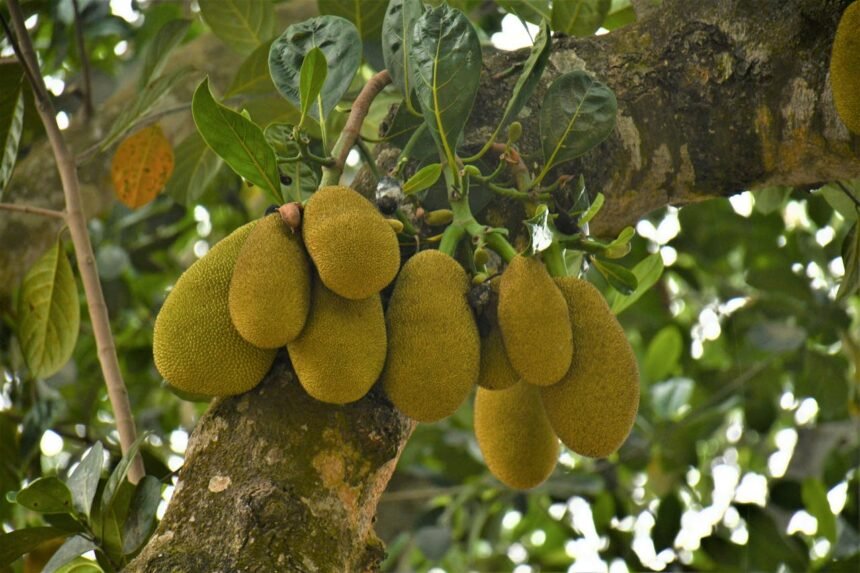
In the diverse world of tropical produce, few items command as much visual attention—and confusion—as the jackfruit. Known scientifically as Artocarpus heterophyllus, this colossal specimen holds the title of the largest tree-borne fruit in the world, capable of reaching weights up to 100 pounds. While it has been a staple in South and Southeast Asian cuisines for centuries, Western markets have only recently begun to fully appreciate its culinary potential.
Often pigeonholed as a mere vegan meat substitute or a simple smoothie ingredient, this spiky giant offers a complexity that goes far beyond the blender. From savory curries to roasted seed snacks, the ways to enjoy jackfruit are as massive as the fruit itself. Understanding the nuances of this nutritional powerhouse opens the door to a more sustainable, flavorful, and healthy diet.
Understanding the Two Faces of Jackfruit
Before diving into recipes and preparation methods, it is crucial to distinguish between the two primary stages of maturity used in cooking. Treating a ripe jackfruit like a vegetable or a young jackfruit like a dessert will lead to culinary disaster.
1. Young (Green) Jackfruit
Harvested before the sugars develop, young jackfruit has a neutral taste and a fibrous texture often compared to shredded meat. In this stage, it acts as a flavor sponge, absorbing spices, marinades, and sauces. This is the version typically found canned in brine or water.
2. Ripe (Yellow) Jackfruit
When fully mature, the fruit emits a distinct, sweet aroma often described as a mix of banana, pineapple, and bubblegum. The pods (bulbs) inside turn bright yellow and become soft and sweet. This version is eaten raw or used in desserts.
According to Purdue University’s Center for New Crops & Plant Products, the distinction in maturity determines not just the flavor, but the nutritional density and culinary application.
Savory Applications: The “Vegetable” Stage
When exploring savory ways to enjoy jackfruit, we are almost exclusively talking about the young, green variety. Its ability to mimic the texture of pulled pork or shredded chicken has made it a darling of the plant-based movement, but its utility extends further.
The Plant-Based Meat Alternative
The most popular application is using young jackfruit as a meat analogue. Because of its stringy consistency, it creates a convincing “pulled pork” sandwich when simmered in barbecue sauce. However, unlike processed mock meats, jackfruit is a whole food source.
- Tacos and Carnitas: By seasoning the fruit with cumin, smoked paprika, and lime juice, then roasting it until the edges crisp up, you create a filling that rivals traditional pork carnitas.
- Burgers: Chopped finely and mixed with beans and binders, jackfruit adds moisture and texture to veggie patties that can otherwise be dry.
For those interested in the texture mechanics, Serious Eats offers in-depth guides on how to properly break down the fruit to maximize that meaty mouthfeel.
Traditional Curries and Stews
Long before it was a trendy taco filling, jackfruit was a star in Indian, Sri Lankan, and Indonesian curries (such as Gudeg). The fruit holds up well to long simmering times without disintegrating.
- Nutritional Bonus: Cooking jackfruit in curries containing healthy fats (like coconut milk) can aid in the absorption of its fat-soluble vitamins.
Sweet Applications: The “Fruit” Stage
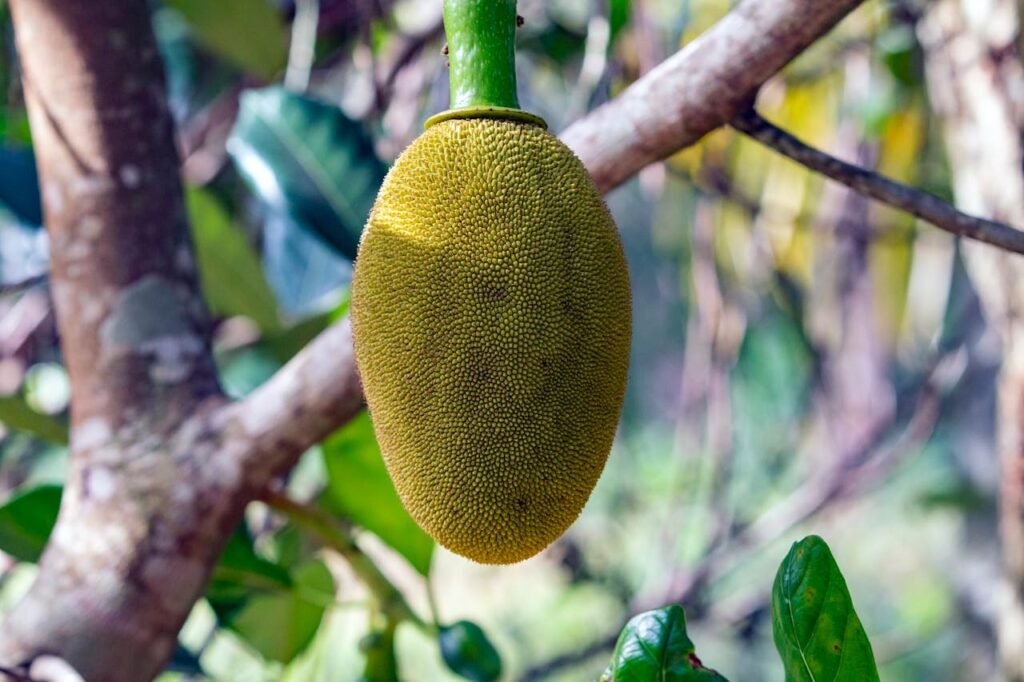
Ripe jackfruit is a different beast entirely. It is intensely sweet and aromatic. While smoothies are a common go-to, there are more inventive ways to utilize the ripe pods.
Frozen Desserts and Custards
The high sugar content and creamy texture of ripe jackfruit make it an excellent base for dairy-free ice creams.
- Halo-Halo: In the Philippines, slivers of ripe jackfruit (langka) are a non-negotiable topping for Halo-Halo, a shaved ice dessert featuring evaporated milk and various sweet beans.
- Vegan Custards: Blending ripe jackfruit with silken tofu or soaked cashews creates a rich, vibrant pudding that requires little to no added sugar.
Jams and Preserves
Because ripe jackfruit creates a lot of waste if not eaten quickly, turning it into jam is a practical solution. The natural pectin content helps it set, and the tropical flavor profile pairs beautifully with ginger, lime, or chili for a sweet-heat spread on toast.
The Unsung Hero: Jackfruit Seeds
One of the most overlooked ways to enjoy jackfruit involves the seeds. A single fruit can contain hundreds of seeds, which are often discarded. This is a nutritional mistake. Jackfruit seeds are edible once cooked and have a flavor reminiscent of chestnuts or macadamia nuts.
Roasting and Boiling
- Jackfruit Hummus: Boiled seeds can be pureed similarly to chickpeas to create a unique, creamy hummus.
- Roasted Snacks: Toss boiled seeds in olive oil and sea salt, then roast them for a crunchy, high-protein snack.
- Curry Additions: In many South Indian households, the seeds are peeled and added to lentil stews (Sambar) for extra crunch and nutrition.
According to the USDA FoodData Central, these seeds are packed with protein and resistant starch, which serves as a prebiotic for gut health.
Nutritional Comparison: Why It Matters
Jackfruit is often praised as a miracle crop, not just for its versatility but for its nutritional profile. It is rich in Vitamin C, potassium, and dietary fiber.
However, the nutritional content shifts drastically between the seed, the young fruit, and the ripe fruit. Understanding this helps in meal planning, especially for those monitoring sugar or protein intake.
Comparison of Jackfruit Components
| Component | Flavor Profile | Primary Texture | Caloric Density | Key Nutrient Focus |
|---|---|---|---|---|
| Young Fruit | Neutral, absorbent | Stringy, fibrous | Low | Dietary Fiber, Vitamin B6 |
| Ripe Fruit | Sweet, tropical | Soft, chewy | Moderate-High | Natural Sugars, Vitamin C, Antioxidants |
| Seeds | Nutty, milky | Firm, starchy | High | Protein, Potassium, Iron |
Data synthesized from Healthline nutrition data.
It is worth noting that while young jackfruit is a meat substitute regarding texture, it is not a protein substitute. As noted by Medical News Today, vegetarians should pair young jackfruit with beans or lentils to ensure adequate protein intake.
Sustainability and the Future of Food
Exploring creative ways to enjoy jackfruit is not just a culinary adventure; it is an act of sustainable eating. The jackfruit tree is incredibly resilient. It is drought-resistant and requires little to no pesticides to thrive.
Climate researchers and organizations like National Geographic have highlighted jackfruit as a food security crop for the future. A single tree can yield up to 200 fruits per year, providing a massive amount of nutrition with a relatively low environmental footprint compared to livestock farming.
Furthermore, the World Health Organization and other bodies are looking at underutilized crops like jackfruit to combat food insecurity in tropical regions. By increasing demand in the West, we support a market for farmers to maintain these biodiverse orchards rather than replacing them with monocultures.
Tips for Buying and Preparation
If you are inspired to go beyond the smoothie, here is how to get started:
- Canned vs. Fresh: For savory dishes, buy “Young Green Jackfruit in Brine.” Avoid jackfruit in syrup, as that is the sweet, ripe version.
- Handling Fresh Fruit: If you are brave enough to buy a whole fresh jackfruit, coat your knife and hands in oil. The fruit produces a sticky latex sap that is notoriously difficult to wash off with just soap and water.
- Storage: Ripe jackfruit bulbs can be frozen for months. Young jackfruit, once cooked, stores well in the refrigerator for up to 5 days, often tasting better as the flavors meld.
For those interested in the botany and history of this fascinating plant, Smithsonian Magazine provides an excellent deep dive into its origins and cultural significance.
Conclusion
Jackfruit is far more than a trend; it is a culinary chameleon that bridges the gap between savory main courses and sweet indulgences. Whether you are roasting the seeds for a chestnut-like snack, simmering the green fruit for a plant-based taco night, or enjoying the ripe pods in a traditional dessert, the options are limitless.
By diversifying the ways to enjoy jackfruit, you not only treat your palate to new textures and flavors but also contribute to a more sustainable global food system. Next time you see that giant, prehistoric-looking fruit at the market, don’t be intimidated—grab a cart and get ready to experiment.