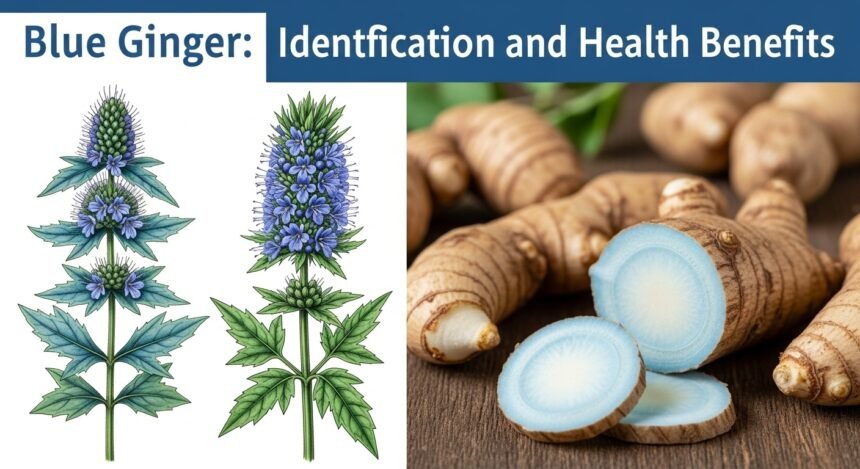
The world of rhizomes and root spices is vast, vibrant, and occasionally confusing. Among the plethora of roots celebrated for their medicinal and culinary value, “Blue Ginger” stands out as an enigma. The name itself often leads to ambiguity, referring to two completely different plants: one, a popular ornamental flower, and the other, a potent culinary spice closely related to common ginger.
Understanding the distinction between these botanical varieties is vital, not only for your garden but for your safety and health. In the context of nutrition and wellness, we focus primarily on Alpinia galanga, widely known as greater galangal or Thai ginger, which is often referred to as blue ginger due to the bluish hues sometimes found in its rhizome skin or rings.
This article provides a comprehensive guide to identifying the true medicinal blue ginger, understanding its potent health benefits, and integrating it into a holistic wellness routine.
What Is Blue Ginger? Identification and Botanical Distinction
Before diving into health benefits, we must address the difference between ginger and blue ginger. The term is loosely applied to two distinct species:
- Dichorisandra thyrsiflora (Ornamental): Often called the Hawaiian blue ginger plant, this is not a true ginger. It belongs to the Commelinaceae family (spiderworts). It is grown for its striking violet-blue flowers and is strictly ornamental. It is not edible.
- Alpinia galanga (Edible): This is the plant of interest for health enthusiasts. A member of the Zingiberaceae family, it is a close relative of turmeric and common ginger. The blue ginger rhizome is harder, woodier, and paler than common ginger, often exhibiting a subtle blueish or pinkish ring when sliced.
While growing blue ginger indoors is popular for the ornamental variety, the edible galangal requires a tropical climate to produce the thick, knotty rhizomes prized in cooking and medicine. Understanding dichorisandra thyrsiflora toxicity is crucial; consuming the ornamental plant can lead to adverse reactions, whereas Alpinia galanga is a staple in Southeast Asian cuisine.
Nutritional Profile of Blue Ginger (Galangal)
Blue ginger is a powerhouse of bio-active compounds. Unlike the soft heat of common ginger, galangal offers a sharp, pine-like, citrusy aroma. It is rich in flavonoids and volatile oils. Key components include:
- Galangin: A flavonol with high antioxidant activity.
- Beta-sitosterol: Linked to heart health.
- 1′-Acetoxychavicol acetate (ACA): A compound studied extensively for its potential anticancer properties.
- Essential Vitamins: Contains small amounts of Vitamin A and C, along with iron and sodium.
Just as you might explore How to Use Ginger Paste in Your Daily Cooking, integrating galangal paste provides a similar, albeit more intense, nutritional boost.
5 Evidence-Based Health Benefits
1. Potent Anti-Inflammatory Effects
Chronic inflammation is a root cause of many modern ailments, from arthritis to heart disease. The anti-inflammatory properties of galangal are well-documented in scientific literature. The rhizome contains compounds that inhibit the production of inflammatory cytokines.
For those who suffer from joint pain or inflammatory conditions, consuming galangal extracts can offer relief similar to traditional NSAIDs but without the gastric side effects. This makes it a fantastic companion to other natural remedies. If you are already Soothing Your Stomach with Ginger Root Tea, adding a slice of blue ginger can synergistically enhance the anti-inflammatory effects.
2. Superior Digestive Support
Historically, Alpinia galanga medicinal uses heavily featured the treatment of digestive distress. In Ayurvedic and Traditional Chinese Medicine (TCM), it is classified as a warming herb that stimulates the digestive fire.
It is particularly effective as one of the best natural digestive aids for stomach upset. It helps reduce gas, relieve bloating, and calm motion sickness. While many people rely on standard ginger, blue ginger for nausea—particularly sea sickness—is considered even more effective in some traditional practices due to its antispasmodic nature. For those interested in drinkable remedies, checking out How to Make Ginger Juice for Better Digestion and substituting half the ginger for galangal is a great start.
3. Rich in Antioxidants
Oxidative stress damages cells and accelerates ageing. Antioxidant-rich rhizomes like galangal scavenge free radicals. The polyphenol content in blue ginger helps protect DNA structure and may bolster the immune system.
Supporting your immunity is a year-round job. While you might wonder, Are Ginger Shots Actually Good for Your Immunity?, the answer becomes a resounding “yes” when youfortify those shots with the unique antioxidants found in galangal.
4. Potential Anti-Cancer Properties
Though research is primarily in the test-tube (in vitro) stage, studies have shown that the active compound ACA in galangal may fight cancer cells. Research published on PubMed suggests that galangal extract can induce apoptosis (cell death) in certain cancer lines, including breast and colon cancer cells. While it is not a cure, it highlights the potential of greater galangal benefits in preventative nutrition.
5. Skin and Hair Health
Topical application of galangal juice is a traditional remedy for fungal infections and skin issues. Its antifungal properties fight blemishes and scalp irritation. If you are already exploring The Skin Benefits of Using Natural Ginger Soap, look for products that also list Alpinia galanga as an ingredient for extra antimicrobial protection. Similarly, regarding haircare, learning How a Ginger Scalp Mask Can Promote Hair Growth is beneficial, but adding blue ginger extract can further stimulate blood circulation to the follicles.
Culinary Uses: How to Eat Blue Ginger
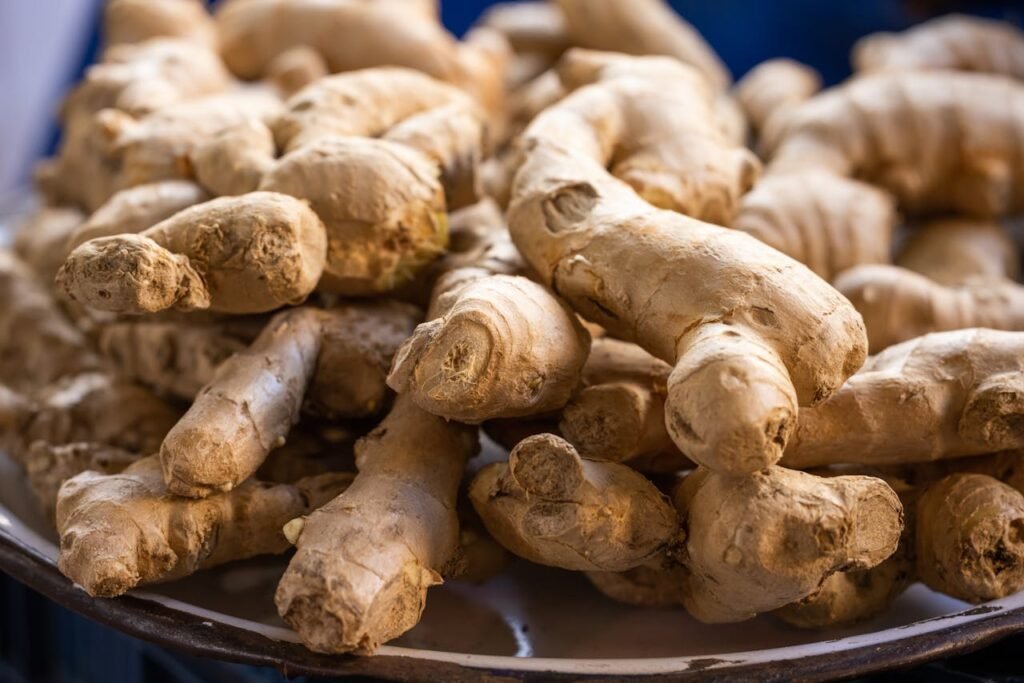
If you are familiar with Thai ginger cooking, you likely already love galangal. It is the backbone of the famous soup Tom Kha Gai and various curry pastes. Because the rhizome is much harder than common ginger, it is rarely eaten raw or grated like its cousin.
Here are the best ways to prepare it:
- Sliced: Cut into thin, coin-like slices and add to broths. (Note: These are usually removed before serving, similar to bay leaves, as they are tough to chew).
- Pounded: Use a mortar and pestle to crush the fibres before adding to curry pastes.
- Powdered: Dried galangal powder is a convenient alternative, though less aromatic.
When considering culinary uses of galangal, think of it as a flavour infusion rather than a vegetable. For those who enjoy concentrated flavours, reading about Understanding the Uses of Potent Ginger Extract can provide insight into how extracts are made, which applies to galangal as well.
Furthermore, if you are an avid gardener attempting to grow your own supply, consult The Ultimate Guide to Ginger Plant Care at Home, as the soil and humidity requirements for blue ginger are remarkably similar to common ginger.
Safety and Side Effects
Is blue ginger safe for everyone? Generally, yes, when used in culinary amounts. However, high doses of any herbal supplement carry risks.
- Pregnancy: Pregnant women should consult a GP before consuming large amounts of galangal, as herbal stimulants can affect pregnancy.
- Acid Reflux: While it helps digestion, the spice level can trigger heartburn in sensitive individuals.
- Interactions: Galangal root side effects are rare, but it may interact with antacids or medication for diabetes. Always check with a healthcare provider.
For a deeper dive into safety regarding wild varieties, seeing our guide on Wild Ginger: Safety and Culinary Applications can help you distinguish between safe and toxic wild plants.
Comparisons: Fresh vs. Dried
Like many spices, the form matters. Fresh blue ginger has a sharp, citrusy kick essential for authentic Thai dishes. Dried slices or powder have a muskier, earthier profile and lose some of the citrus notes. If you are debating which form to stock in your pantry, our comparison of Dried Ginger vs Fresh: Which is Better for You? offers a parallel analysis that applies perfectly to galangal.
The Bottom Line
Blue ginger, or Alpinia galanga, is a distinguished relative of the ginger family that deserves a place in your kitchen and medicine cabinet. From its Ayurveda ginger remedies to its modern application in fighting inflammation, the greater galangal benefits are impressive. However, always ensure you are sourcing the edible rhizome and not the ornamental Hawaiian blue ginger plant.
Whether you are slicing it into a soup or brewing it into a tea, blue ginger offers a unique avenue for enhancing health naturally. For a broader look at ginger varieties, check out our guide on Fresh Ginger: Selection, Storage, and Health Uses.
External Resources
- National Center for Complementary and Integrative Health (NCCIH): Ginger and Related Spices
- PubMed: Alpinia galanga: A Phytochemical and Pharmacological Review
- ScienceDirect: Antioxidant activity of Alpinia galanga
- Healthline: Galangal Root: Benefits, Uses, and Side Effects
- Mayo Clinic: Herbal Supplements: Safety and Regulations
- NHS UK: Digestive Health and Ginger
- Botanical Online: Characteristics of Alpinia Galanga
- Wiley Online Library: Antimicrobial properties of Galangal
- Drugs.com: Galangal Interactions and Dosage
- Frontiers in Pharmacology: Anti-inflammatory effects of Galangal