
As the days shorten and temperatures plummet across the UK, our dietary preferences naturally shift toward warmth and comfort. There is nothing quite like a steaming mug of liquid nutrition to soothe the soul. The debate between animal-based stock and plant-based infusions is a common topic in nutritional circles. Both options offer distinct advantages for your immune system, gut health, and energy levels.
Bone broth has gained massive popularity in recent years as a superfood. Advocates praise its collagen content and amino profile. The NHS acknowledges meat products as vital sources of protein and minerals. However, vegetable broth remains a staple for its rich vitamin content and alkalising properties.
Choosing between them often depends on your specific health goals. Are you looking to repair joints or boost your fibre intake? This guide explores the nutritional science behind these two warming staples.
The Nutritional Power of Bone Broth
Bone broth is created by simmering animal bones and connective tissue for an extended period. This slow process extracts compounds that are difficult to obtain from other foods. The resulting liquid is dense with protein and minerals.
One of the primary benefits is collagen. When cooked, collagen turns into gelatin. This substance is crucial for maintaining the lining of your gut. Many nutritionists recommend it for managing leaky gut syndrome.
It is also rich in electrolytes. Calcium, magnesium, and phosphorus are released from the bones into the acidic water. These minerals are essential for bone density and muscle function. The Royal Osteoporosis Society highlights the importance of calcium for skeletal strength.
This liquid is excellent for joint health. It contains glucosamine and chondroitin naturally. These compounds are often taken as supplements to reduce joint pain and inflammation.
The Vitality of Vegetable Broth
Vegetable broth should not be underestimated. It is a hydration hero packed with soluble vitamins. Because it is plant-based, it is naturally lower in calories and fat than most animal counterparts.
The nutrient profile depends entirely on the ingredients used. Onions, carrots, celery, and herbs release powerful antioxidants into the water. These compounds help fight oxidative stress in the body.
It is also a source of potassium. This mineral is vital for heart health and managing blood pressure. The British Heart Foundation suggests increasing potassium intake to offset sodium effects.
Vegetable broth is highly alkalising. Many health experts believe maintaining a balanced pH is key to reducing inflammation. It creates a lighter base for meals like Winter Minestrone, allowing the vegetables to shine.
Protein and Amino Acids
If protein is your priority, bone broth is the clear winner. A single cup can contain between 6 to 12 grams of protein. This makes it an excellent recovery drink after exercise.
The amino acids found in bone stock include proline and glycine. Glycine is known to support sleep quality and detoxification. Proline is essential for skin elasticity.
Vegetable broth contains minimal protein on its own. To boost its protein content, you must add ingredients to the final dish. Adding Warm Lentils to a vegetable base can significantly increase the amino acid profile.
For vegetarians, combining plant sources is key. Using a veg stock as a base for quinoa or beans creates a complete protein meal.
Gut Health and Digestion
Gut health is a major focus in UK medical sciences today. The gelatin in bone broth attracts and holds liquids. This can help bulk up stool and move it through the digestive tract more easily.
It acts almost like a soothing balm for the intestinal wall. This is why it is often prescribed in functional medicine protocols. Repairing the gut lining is essential for overall immunity.
Vegetable broth offers a different gut benefit: prebiotic fibre. While strained broth has less fibre, pulpy versions retain some. The soluble nutrients feed the beneficial bacteria in your microbiome.
Using vegetable broth in a Root Stew ensures you get ample fibre from the added produce. This supports regular bowel movements and long-term digestive health.
Immune System Support
There is a reason chicken soup is called “Jewish Penicillin.” The marrow released from bones carries lipids and iron. These nutrients are fundamental for building white blood cells.
Bone broth also contains alkylglycerols. These lipids are found in the organs responsible for immune cell production. Drinking this during flu season is a time-honoured tradition.
Vegetable broth combats illness through vitamins. A broth heavy in garlic and onions provides allicin and quercetin. These are potent antiviral and antibacterial compounds.
A broth made for Parsnip Soup can provide a surprising amount of Vitamin C and folate. These micronutrients are necessary for a robust immune response. The British Nutrition Foundation emphasises the role of micronutrients in disease prevention.
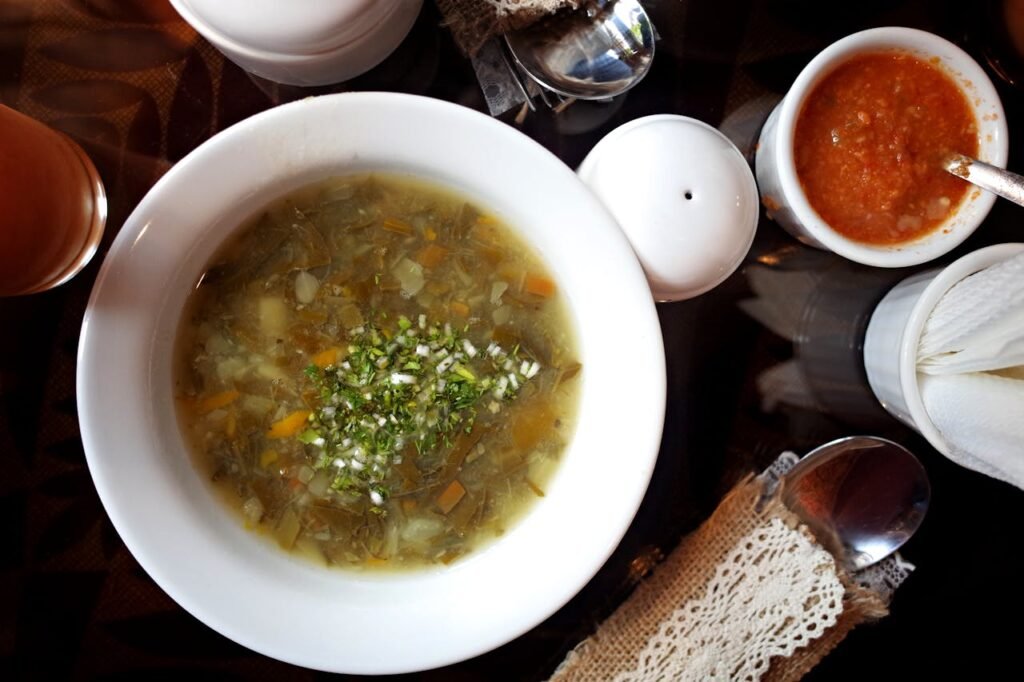
Culinary Applications: Bone Broth
Bone broth provides a deep, savoury umami flavour. It creates a rich mouthfeel that water or stock cubes simply cannot replicate. It serves as the perfect foundation for heavy, meat-based dishes.
It is the traditional base for a Slow Cooker Bourguignon. The collagen thickens the sauce naturally without needing excessive flour. This results in a glossy, restaurant-quality finish.
You can use beef bone broth to elevate a Venison Stew. The gamey flavour of the meat pairs perfectly with the mineral-rich stock. It adds complexity to the final taste profile.
For a lighter option, chicken bone broth works well in a Sausage Bake. It keeps the meat moist while infusing the beans or potatoes with extra nutrition.
Chefs often reduce bone broth down to a demi-glace. This concentrated gel can be added to sauces for an instant flavour boost. It is a secret weapon in professional kitchens.
Culinary Applications: Vegetable Broth
Vegetable broth is incredibly versatile. It has a cleaner, lighter taste that does not overpower delicate ingredients. It is the preferred liquid for risottos and cream soups.
A classic Potato Leek Soup relies heavily on a good vegetable stock. The mild onion flavour of the broth enhances the leeks without masking them. It keeps the soup vegetarian-friendly and light.
It is also excellent for hydrating dried grains. Cooking a Winter Risotto with high-quality vegetable broth infuses every grain of rice with flavour. This eliminates the need for excessive cheese or butter.
Vegetable broth is the secret to a savoury Mushroom Stroganoff. It complements the earthy fungi and tangy sour cream. Meat-free comfort food relies on these layers of umami.
Innovative Winter Recipes
You can get creative with how you use these liquids. They are not just for soup bowls. They can replace water in almost any savoury recipe.
Try using a rich stock to cook Braised Short Ribs. The meat becomes tender and falls off the bone. The cooking liquid then becomes a nutrient-dense gravy.
For a lighter dinner, simmer Roasted Tubers in a shallow pool of vegetable broth. The liquid glazes the vegetables as it evaporates. This concentrates the sweetness of the roots.
A creamy Winter Chowder can be made using a fish or vegetable base. Using stock instead of just milk cuts the fat content. It retains the comforting texture while improving the nutrient density.
Even snacks can benefit. Nutritious savoury snacks are trending. Some health enthusiasts mist Kale Chips with concentrated vegetable broth before baking for extra seasoning.
The Sodium Trap
One major concern with both options is salt content. Store-bought versions of Hearty Broths are often laden with sodium. This is done to preserve shelf life and enhance flavour.
Excessive salt intake is linked to hypertension. Action on Salt UK warns against hidden sodium in processed stocks. Always check the label for “low sodium” or “no added salt” options.
Homemade is always superior for control. You can flavour your liquids with herbs, spices, and vinegar instead. This keeps the heart-health benefits intact.
Sustainability and Cost
Bone broth is an excellent way to reduce food waste. It utilises carcasses and connective tissue that would otherwise be discarded. It respects the whole animal approach to eating.
Vegetable broth is equally sustainable. You can save scraps in a freezer bag until you have enough to boil. Peelings, ends, and wilting herbs are perfect candidates.
Both are incredibly cost-effective. MoneyHelper UK suggests batch cooking stocks to save on grocery bills. It is practically free nutrition.
Which Should You Choose?
If you have inflammatory bowel disease or joint issues, bone broth is likely the better choice. The collagen and glutamine provide specific therapeutic benefits. It is a heavy hitter for repair and recovery.
If you are managing weight or blood pressure, vegetable broth may be superior. It is lower in calories and provides essential potassium. It is also the ethical choice for those on plant-based diets.
Many people benefit from rotating both. This ensures you get a full spectrum of amino acids and phytonutrients. Variety is the cornerstone of a healthy nutritional plan.
The Bottom Line
Both liquids are nutritional powerhouses that deserve a place in your winter diet. Bone broth offers structural support through protein and collagen. Vegetable broth provides cellular protection through antioxidants and vitamins.
Whether you are simmering a pot of beans or sipping a mug by the fire, the key is quality. Avoid high-sodium processed cubes. Prioritise homemade or high-quality fresh versions.
Ultimately, the healthier option is the one you will consume regularly. A mug of hot broth is a simple, effective wellness tool. Choose the one that aligns with your dietary ethics and taste buds.