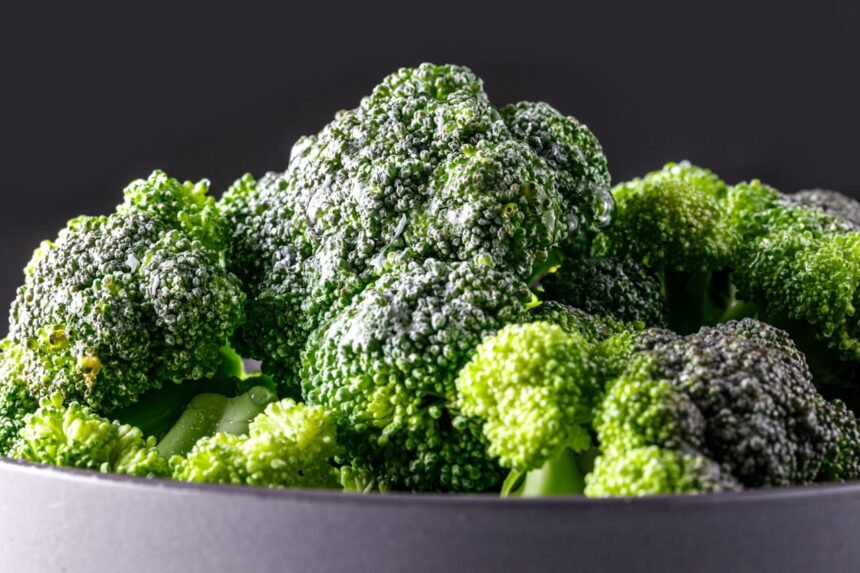
Broccoli often sits on a pedestal in the world of nutrition. It is celebrated for its fibre, vitamin C, and potent cancer-fighting compounds. However, if you are one of the millions of people navigating life with a thyroid condition, you may have encountered a different narrative. You might have heard rumours that this cruciferous vegetable could actually harm your thyroid gland.
It is completely understandable to feel confused by conflicting advice. When you are managing your health, particularly with conditions like hypothyroidism or Hashimoto’s thyroiditis, the last thing you want to do is eat something that might sabotage your progress. The internet is awash with warnings about “goitrogens” in green vegetables, leaving many to wonder if they should banish broccoli from their plates entirely.
Fortunately, the reality is far less frightening than the headlines suggest. Nutritional science offers us clear, evidence-based answers that allow for nuance rather than fear. In this article, we will separate scientific fact from fiction, exploring how broccoli interacts with your thyroid and how you can safely include it in a balanced diet.
Understanding the Thyroid-Broccoli Connection
To understand whether broccoli is a friend or foe, we must first look at the biological mechanisms at play. The thyroid is a small, butterfly-shaped gland located at the base of your neck. It relies heavily on iodine to produce hormones that regulate your metabolism, energy levels, and body temperature. When this process is disrupted, it can lead to an enlarged thyroid, known as a goitre.
The concern regarding broccoli stems from a category of compounds called goitrogens. These are naturally occurring substances found in many plant-based foods, particularly cruciferous vegetables like broccoli, cauliflower, kale, and Brussels sprouts. When you chew raw broccoli, a compound called progoitrin is broken down into goitrin. Goitrin can interfere with the thyroid’s ability to absorb iodine, which is essential for hormone synthesis.
However, context is crucial here. The presence of these compounds does not automatically equate to thyroid damage. Clinical data suggests that for goitrogens to cause actual harm, two conditions generally need to be met: you must be consuming very large quantities of these vegetables, and you must also have a significant iodine deficiency. For the vast majority of people with adequate iodine levels, the thyroid can easily handle normal amounts of goitrogens without any negative impact on function.
It is also important to realise that the benefits of these vegetables often outweigh the theoretical risks. According to the NHS, a healthy, balanced diet is vital for managing thyroid conditions. Eliminating nutrient-dense foods unnecessarily can lead to other deficiencies that might affect your overall wellbeing.
Practical Strategies for Safe Consumption
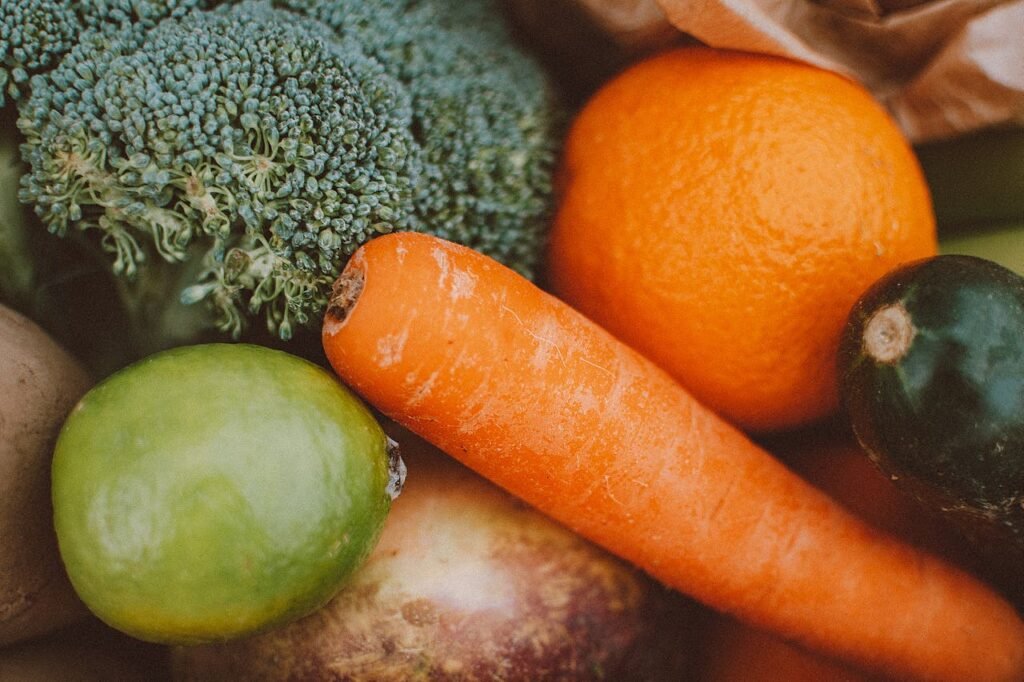
If you have an underactive thyroid or are simply cautious, you do not need to avoid broccoli. Instead, you can employ specific preparation methods to neutralise potential risks. By making small adjustments to how you cook and eat, you can enjoy the flavour and nutritional benefits without worry.
The Power of Heat
The most effective way to reduce the goitrogenic content of broccoli is through cooking. Heat alters the molecular structure of the enzymes responsible for producing goitrin.
- Steaming: This is often considered the gold standard. It significantly lowers goitrogen levels while preserving water-soluble vitamins like vitamin C and folate. Steaming for just five minutes can reduce harmful compounds by over 50%.
- Boiling: Boiling is even more effective at removing goitrogens, reducing them by up to 90%. However, be aware that you will also lose some beneficial antioxidants in the cooking water.
- Fermenting: Processes used to make foods like sauerkraut or kimchi can also help degrade these compounds, making the nutrients more bioavailable.
Eating raw broccoli is not forbidden, but moderation is key. If you enjoy raw florets in salads, try to limit your portion size or rotate them with other non-cruciferous vegetables.
Prioritise Iodine Intake
Since goitrogens primarily work by blocking iodine uptake, ensuring you have sufficient iodine in your diet provides a strong defence. The British Thyroid Foundation highlights that the UK has areas of mild iodine deficiency.
To counteract this, incorporate iodine-rich foods into your meals:
- White fish (cod, haddock)
- Dairy products (milk, yoghurt, cheese)
- Eggs
- Seaweed (in moderation)
However, be cautious with supplementation. Taking excessive iodine supplements without medical supervision can sometimes worsen thyroid issues. It is always best to get nutrients from whole foods where possible.
Selenium Synergy
Thyroid health is not just about iodine; selenium is another critical mineral. Selenium protects the thyroid gland from oxidative stress and is crucial for the conversion of thyroid hormones (T4 to T3).
Broccoli itself contains small amounts of selenium, but pairing it with selenium-rich foods creates a nutritional powerhouse. Brazil nuts are the most potent source—just one or two nuts a day can provide your daily requirement. Other good sources include sardines, tuna, and turkey. By supporting the enzymatic pathways in the thyroid with selenium, you make the gland more resilient.
| Preparation Method | Goitrogen Reduction | Nutrient Retention | Recommendation |
|---|---|---|---|
| Raw | 0% | 100% | Eat in moderation; small portions only. |
| Steaming | Approx 50-60% | High (Best Balance) | Highly Recommended. Cooks safely while keeping vitamins. |
| Boiling | Up to 90% | Moderate to Low | Good for thyroid safety, but significant vitamin loss occurs. |
| Stir-Frying | Approx 40-50% | High | A tasty alternative, especially when using healthy oils. |
Frequently Asked Questions
Can I eat broccoli if I have Hashimoto’s disease?
Yes, most people with Hashimoto’s can safely eat broccoli. In fact, the anti-inflammatory properties of cruciferous vegetables may help manage the autoimmune aspect of the condition. The key is to cook the vegetable to reduce goitrogens and ensure your iodine intake is sufficient. If you are unsure, consult a dietitian who specialises in autoimmune conditions.
How much broccoli is too much?
While there is no specific upper limit set by government guidelines, variety is the cornerstone of a healthy diet. Consuming massive amounts—such as juicing several pounds of raw greens daily—could theoretically suppress thyroid function. However, a standard serving (typically around 80g or a handful of florets) eaten a few times a week is considered safe and beneficial for the general population and those with controlled thyroid issues.
Are there other vegetables I should watch out for?
Yes, broccoli is part of the brassica family. Other vegetables that contain similar compounds include kale, cauliflower, Brussels sprouts, cabbage, and bok choy. The advice remains consistent for all of them: cooking reduces the potential risk. You do not need to cut these out, but rotating your greens is a smart strategy. For example, swap kale for spinach or Swiss chard occasionally, as these are lower in goitrogenic compounds.
Should I take an iodine supplement just to be safe?
Not necessarily. While iodine is vital, the World Health Organization (WHO) warns that excess iodine can trigger thyroid dysfunction just as easily as a deficiency. It is far safer to rely on dietary sources or a multivitamin that contains a standard daily amount (150 mcg) rather than high-dose specific iodine supplements, unless prescribed by a GP.
Does the type of broccoli matter?
Tenderstem and purple sprouting broccoli have similar nutritional profiles to standard calabrese broccoli. They all contain glucosinolates. The preparation method matters far more than the specific variety. Choose whichever variety you enjoy most to ensure you actually eat it regularly.
The Bottom Line
For the vast majority of people, broccoli is a nutritional superhero, not a villain. It is packed with fibre, antioxidants, and vitamins that support overall health, including the immune system and heart health.
The fear surrounding broccoli and thyroid health is largely based on theoretical risks that only manifest under extreme circumstances—specifically, consuming excessive raw quantities while suffering from an iodine deficiency. By cooking your broccoli (steaming is best), maintaining adequate iodine intake through dairy or fish, and eating a varied diet, you can enjoy this green vegetable without compromising your thyroid function.
If you have concerns about your thyroid levels or diet, always seek personalised advice from a healthcare professional or a registered dietitian. Evidence suggests that for most, the benefits of including broccoli in your meals far outweigh the risks.
Read more about healthy eating at GOV.UK.
Explore cancer prevention diets at Cancer Research UK.
Learn about iodine deficiency at Thyroid UK.
Discover more about healthy thyroid function from the British Nutrition Foundation.
View patient resources at the American Thyroid Association.
Check nutrient profiles at the USDA FoodData Central.