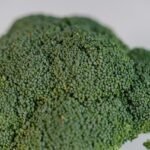
Broccoli is often the very first vegetable that springs to mind when we think of healthy eating. Many of us remember being urged to eat our ‘little green trees’ as children, and for good reason. This cruciferous vegetable is a nutritional powerhouse, packed with essential vitamins, minerals, and bioactive compounds that support your overall wellbeing.
While it has a reputation as a simple side dish, broccoli is surprisingly complex in its nutrient profile. It is low in calories yet rich in fibre and protein compared to other vegetables. Whether steamed, roasted, or eaten raw, it offers significant health benefits, from supporting digestion to boosting your immune system. Understanding exactly what is inside this green vegetable can help you incorporate it into your diet more effectively.
In this article, we provide a detailed breakdown of broccoli nutrition facts, exploring its calories, fibre content, and the scientific evidence behind its health benefits. We will also look at the best ways to prepare it to maximise its nutritional value, ensuring you get the most out of every bite.
What Is Broccoli?
Broccoli is an edible green plant in the cabbage family, formally known as Brassica oleracea. It is closely related to cauliflower, kale, Brussels sprouts, and cabbage. These are collectively referred to as cruciferous vegetables. Although it is available year-round in the UK, it thrives best in cooler climates.
The most common variety found in supermarkets is Calabrese broccoli, named after Calabria in Italy. It features large, flowering heads (florets) situated on a thick, edible stalk. Other popular types include sprouting broccoli, which has thinner stalks and smaller heads, and tenderstem broccoli, a hybrid variety.
Like other vegetables in this family, broccoli is celebrated for its high water content and low energy density. It is a staple in the Eatwell Guide recommended by GOV.UK, which encourages everyone to consume at least five portions of fruit and vegetables daily. It is versatile, accessible, and one of the most nutrient-dense foods you can buy.
Nutritional Breakdown
Broccoli is composed mostly of water, which makes up nearly 90% of its weight. The remainder consists of carbohydrates, protein, and almost no fat. It is exceptionally low in calories, making it a friendly option for weight management plans.
The table below outlines the key nutrients found in raw broccoli.
Nutrition Data Table
| Nutrient | Amount per 100g (Raw) | Amount per 100g (Boiled) |
|---|---|---|
| Calories | 34 kcal | 35 kcal |
| Water | 89% | 87% |
| Protein | 2.8 g | 2.4 g |
| Carbohydrates | 6.6 g | 7.2 g |
| Sugar | 1.7 g | 1.4 g |
| Fibre | 2.6 g | 3.3 g |
| Fat | 0.4 g | 0.4 g |

Carbohydrates
Broccoli is very low in digestible carbohydrates. A standard cup (approx 90g) provides only a few grams of carbs, making it an excellent choice for low-carb and ketogenic diets. The carbohydrates found in broccoli mainly consist of fibre and natural sugars like fructose, glucose, and sucrose, but the sugar content is negligible.
Because of its low glycemic index (GI), broccoli does not cause rapid spikes in blood sugar levels. This makes it particularly suitable for people managing diabetes. According to Diabetes UK, choosing complex carbohydrates and high-fibre vegetables helps maintain stable glucose levels throughout the day.
Fibre
Fibre is a crucial component of a healthy diet, yet many people in the UK do not consume enough of it. Broccoli is a rich source of fibre, providing about 2.6 grams per 100 grams raw. This aids in promoting feelings of fullness, which can reduce overall calorie intake.
The fibre in broccoli supports healthy bowel movements and feeds the beneficial bacteria in your gut. A diet high in fibre is linked to a lower risk of several diseases. The British Heart Foundation emphasises that increasing your fibre intake can significantly lower your risk of heart disease and stroke by lowering cholesterol levels.
Protein
For a vegetable, broccoli is surprisingly high in protein. While it cannot compete with animal products or legumes, protein accounts for nearly 29% of its dry weight. A single serving can contribute a meaningful amount of protein to a plant-based diet.
However, broccoli is not a ‘complete’ protein, meaning it does not contain all essential amino acids in sufficient quantities. To ensure a balanced intake, it should be paired with other protein sources. The British Nutrition Foundation suggests combining vegetables with pulses, nuts, or whole grains to achieve a complete amino acid profile if you are vegetarian or vegan.
Vitamins and Minerals
Broccoli is packed with a variety of vitamins and minerals. Just one serving can provide nearly all the Vitamin C and Vitamin K you need for the day. Here are the primary micronutrients found in this vegetable:
- Vitamin C: An antioxidant that is vital for immune function and skin health. It also helps your body absorb iron from plant-based foods. You can read more about Vitamin C sources on the NHS website.
- Vitamin K1: Essential for blood clotting and may promote bone health. The Royal Osteoporosis Society notes that Vitamin K works alongside calcium to build strong bones.
- Folate (Vitamin B9): Crucial for normal tissue growth and cell function. It is particularly important for pregnant women to support foetal development.
- Potassium: A mineral that helps control blood pressure and prevent heart disease.
- Manganese: A trace mineral found in high amounts in whole grains and legumes, as well as cruciferous vegetables.
Plant Compounds
Aside from vitamins, broccoli is rich in bioactive plant compounds that contribute to its health benefits. These antioxidants help protect cells from damage caused by free radicals.
- Sulforaphane: One of the most abundant and extensively studied compounds in broccoli. It is formed when the vegetable is chopped or chewed and has been linked to protective effects against various diseases.
- Indole-3-carbinol: A unique nutrient found in cruciferous vegetables that may help regulate hormones.
- Carotenoids: Broccoli contains lutein, zeaxanthin, and beta-carotene, which are beneficial for eye health.
- Kaempferol: An antioxidant linked to reduced inflammation.
For a deeper understanding of how these compounds function, Healthline offers a guide to antioxidants and their role in preventing chronic illness.
Top Health Benefits
Cancer Prevention
Cancer is characterised by the uncontrolled growth of abnormal cells. Observational studies suggest that the consumption of cruciferous vegetables like broccoli is associated with a reduced risk of many cancers, including lung, colorectal, and breast cancer. Cancer Research UK notes that a diet high in plant foods and fibre can help protect against cancer, likely due to compounds like sulforaphane.
Improved Digestion
The fibre and antioxidants in broccoli support colonic health. Regular consumption can help reduce inflammation in the colon and promote favourable changes in gut bacteria. Guts UK highlights that fibre adds bulk to stool and makes it easier to pass, reducing the likelihood of constipation.
Eye Health
Impaired eyesight is a common consequence of ageing. Two of the main carotenoids in broccoli, lutein and zeaxanthin, are associated with a decreased risk of age-related eye disorders such as cataracts and macular degeneration.
Tips for Cooking and Preparation
How you cook broccoli can significantly affect its nutrient content. Boiling broccoli for too long can leach out water-soluble vitamins like Vitamin C and folate.
- Steaming: This is often considered the best method. It preserves the crisp texture and retains the majority of vitamins.
- Microwaving: Quick and efficient, microwaving with a small amount of water minimizes nutrient loss.
- Stir-frying: Using a small amount of oil to quickly cook the vegetable can improve the absorption of fat-soluble vitamins like Vitamin K.
- Raw: Eating broccoli raw preserves the enzyme myrosinase, which is needed to form sulforaphane. However, raw broccoli can be harder to digest for some people.
For creative ways to include this vegetable in your meals, check out these recipes from BBC Good Food.
Frequently Asked Questions
Is the stem of broccoli edible?
Yes, the stem is just as nutritious as the florets. The outer layer can be tough, so you may want to peel it, but the inside is sweet and crunchy. Chopping it finely makes it perfect for stir-fries or soups.
Does broccoli cause bloating?
It can. Broccoli contains FODMAPs (fermentable carbohydrates) which can be difficult for some people to digest, leading to gas. Cooking it thoroughly usually makes it easier on the stomach.
Is frozen broccoli as healthy as fresh?
Generally, yes. Frozen vegetables are usually picked at peak ripeness and flash-frozen, preserving their nutrients. Fresh broccoli loses nutrients over time during transport and storage.
The Bottom Line
Broccoli is one of the world’s most nutrient-dense vegetables. It is loaded with fibre, Vitamin C, Vitamin K, iron, and potassium. It also boasts more protein than most other vegetables.
Regular consumption offers a wide array of health benefits, including improved digestion, better blood sugar control, and a reduced risk of heart disease. While boiling can reduce some of its vitamin content, steaming or eating it raw ensures you get the maximum nutritional value.
Adding this green vegetable to your weekly shop is an easy, affordable, and scientifically supported way to improve your health. Whether you enjoy it as a simple side or the star of a stir-fry, broccoli deserves its place on your plate.