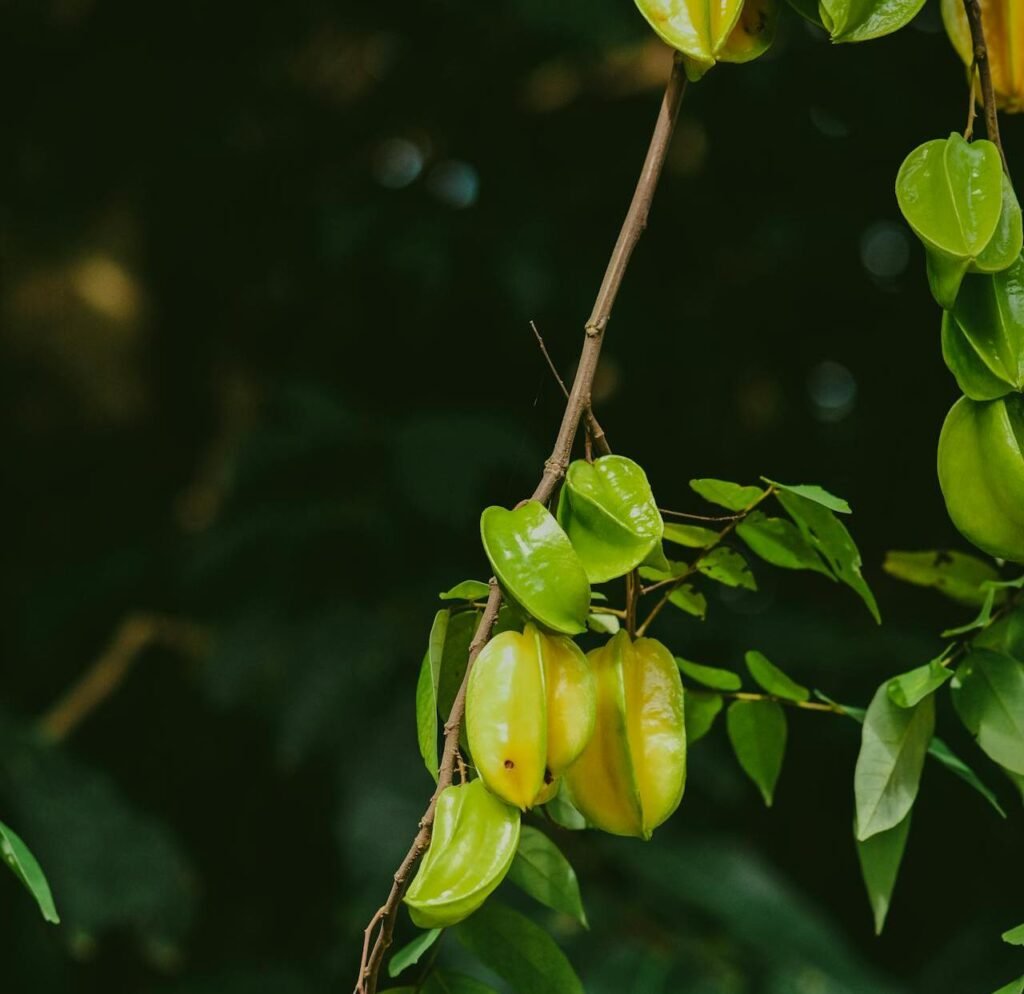
Star fruit, scientifically known as Averrhoa carambola, is a distinctive tropical fruit celebrated for its unique shape and refreshing, tart-sweet flavour. When sliced horizontally, it forms a perfect five-point star, making it a favourite garnish in salads and cocktails across the globe. However, while the flesh is widely consumed, questions often arise regarding the consumption of star fruit seeds.
Are they edible? Are they safe? Or should they be meticulously removed before consumption?
The short answer is yes, you can eat star fruit seeds. They are edible and generally harmless for healthy individuals. However, the texture and slight bitterness may not appeal to everyone. More importantly, star fruit as a whole—including the seeds—carries specific chemical compounds that pose serious risks to individuals with pre-existing kidney conditions.
In this article, we analyse the safety profile of star fruit seeds, their nutritional context, and the necessary precautions you must take, particularly regarding kidney health.
Anatomy of the Star Fruit
To understand the safety of the seeds, it is helpful to look at the fruit’s composition. Star fruit is native to Southeast Asia but is now cultivated in tropical climates worldwide. The fruit boasts a waxy, yellow-green skin that is entirely edible, covering a crisp, juicy flesh.
Inside the flesh, you will typically find a few small, flat, brown seeds. These seeds are enclosed in a gelatinous aril (seed covering) which is slippery and helps the seeds slide out easily if you choose to remove them.
The Texture and Flavour Profile
Unlike the seeds of a watermelon or the stone of a peach, star fruit seeds are small and relatively soft. They are not hard enough to damage teeth, but they do possess a texture that interrupts the uniform crispness of the fruit’s flesh.
From a culinary perspective, the seeds are often described as having a slightly bitter or astringent taste. Because of their small size, they are frequently swallowed whole without chewing, in which case the flavour is barely noticeable. However, if bitten into, they release a minute amount of bitterness that contrasts with the sweet-sour profile of the surrounding fruit.
For a general overview of the fruit’s benefits, you can read more at Healthline.
Safety Concerns and Biological Factors
While the seeds are technically edible, the safety of consuming star fruit (seeds and flesh included) is a complex biological topic. The concern does not stem from the seeds specifically containing a concentrated poison (like apple seeds contain amygdalin), but rather from the compounds found throughout the entire fruit.
There are two primary compounds in star fruit that require attention: oxalates and caramboxin.
1. Oxalates and Kidney Stones
Star fruit is notoriously high in oxalate (oxalic acid). Oxalates are naturally occurring compounds found in many foods, such as spinach, rhubarb, and beetroots. For the majority of the population, oxalates are filtered out by the kidneys and excreted in urine without issue.
However, for individuals prone to kidney stones, high-oxalate foods can be problematic. Oxalates can bind with calcium in the kidneys to form calcium oxalate stones. According to the Mayo Clinic, avoiding high-oxalate foods is a standard dietary recommendation for those with a history of stone formation.
The seeds of the star fruit do contain trace amounts of these compounds, contributing to the overall load ingested when eating the whole fruit.
2. Caramboxin: A Potent Neurotoxin
This is the most critical safety factor. Star fruit contains a substance called caramboxin. This is a neurotoxin that is chemically structurally similar to phenylalanine.
In healthy individuals, the kidneys effectively filter out caramboxin, and it is excreted safely from the body. However, for anyone with chronic kidney disease (CKD) or compromised renal function, the body cannot clear this toxin.
As detailed by the National Kidney Foundation, accumulation of caramboxin can lead to star fruit intoxication. Symptoms can be rapid and severe, including:
- Persistent hiccups
- Mental confusion
- Seizures
- Coma
- In severe cases, death
Research published by the National Institutes of Health (NIH) highlights that the neurotoxicity affects the brain’s excitation mechanisms. Since the toxin is present in the entire fruit, eating the seeds alongside the flesh does not necessarily increase the risk disproportionately, but it contributes to the total volume of toxin consumed.
Nutritional Comparison Table
To understand where star fruit sits in the spectrum of tropical fruits, consider the following comparison regarding toxicity risks and fibre content.
| Feature | Star Fruit (Whole) | Papaya (Seeds) | Watermelon (Seeds) |
|---|---|---|---|
| Edibility of Seeds | Yes (often eaten) | Yes (peppery taste) | Yes (often roasted) |
| Primary Toxin Risk | Caramboxin (Neurotoxin) | Benzyl isothiocyanate | Generally safe |
| Target Organ Risk | Kidneys/Brain | Digestive system (in excess) | None |
| Fibre Content | High | High | Moderate |
| Safe for CKD Patients? | NO | Consult GP | Generally Yes |
Treatment and Management of Consumption
If you have healthy kidneys, managing the consumption of star fruit seeds is largely a matter of culinary preference rather than medical necessity. However, understanding how to prepare the fruit can enhance your eating experience and mitigate the slight bitterness the seeds may impart.
Preparing Star Fruit
Proper preparation ensures that you are eating the fruit at its peak ripeness and cleanliness. According to the FDA, all raw produce should be washed thoroughly under running water to remove surface bacteria and pesticides.
Steps for Preparation:
- Select Ripe Fruit: Look for star fruit that is predominantly yellow. A little green on the ridges is acceptable, but fully green fruit is unripe and overly tart. Brown spots along the ridges indicate high sugar content and ripeness.
- Wash Thoroughly: Rinse under cool, running water.
- Trim the Ends: Cut off the brownish tip at each end of the fruit.
- Remove the Ridges: The waxy edges of the star points can be tough. Run a sharp knife along each ridge to remove the thin, darker edge.
- Slice: Cut the fruit crosswise into stars.
Removing the Seeds (Optional)
If you find the texture of the seeds unpleasant or wish to reduce the slight bitterness in a delicate salad:
- After slicing the fruit into stars, use the tip of a paring knife or a toothpick to gently pop the seeds out of the centre.
- The seeds are slippery, so a small tool works better than fingers.
Management for At-Risk Groups
For those with any level of renal impairment, the management strategy is strict avoidance. There is no “safe amount” of star fruit or star fruit seeds established for kidney patients. The neurotoxic effects can occur even with small portions.
If you have consumed star fruit and experience hiccups or confusion, this is a medical emergency. Immediate haemodialysis is often the only effective treatment to remove caramboxin from the blood, as noted in toxicological reviews on ScienceDirect.
Practical Tips for Culinary Use
Assuming you have cleared the safety check regarding kidney health, star fruit seeds can be integrated into your diet seamlessly. The seeds add a negligible amount of fibre and micronutrients.
Here are practical ways to enjoy the fruit, seeds and all:
1. Tropical Smoothies
High-powered blenders can pulverise star fruit seeds easily. When blended with mango, pineapple, or banana, the slight bitterness of the seeds is completely masked by the sweetness of the other fruits. This is an excellent way to utilise the fibre without the textural interruption.
2. Salads and Garnishes
In savoury salads, the seeds can actually provide a welcome crunch. Star fruit pairs exceptionally well with avocado, prawns, and vinaigrettes. The seeds mimic the function of pomegranate arils, adding a small bite of texture.
3. Pickling
In many Asian cuisines, star fruit is pickled whole or in slices. The pickling process softens the seeds further and infuses them with the brine, neutralising bitterness. More on the botany and cultural uses can be found at Britannica.
4. Meeting Your 5-A-Day
Including star fruit in your rotation helps meet dietary guidelines. The NHS recommends a variety of fruit and vegetables to ensure a broad intake of vitamins. Star fruit is rich in Vitamin C and copper. Eating the seeds ensures you are consuming the whole food matrix, which is often recommended for maximum fibre intake.
Nutritional Breakdown
The nutritional impact of the seeds alone is minimal due to their small size, but they contribute to the profile of the fruit. Star fruit is a low-calorie food, rich in fibre and Vitamin C.
According to the USDA FoodData Central, a medium star fruit (approximately 91g) provides:
- Calories: 28
- Fibre: 2.5 grams
- Vitamin C: 52% of the RDI
- Copper: 6% of the RDI
The seeds contain trace amounts of healthy fats and additional insoluble fibre, which aids in digestion. However, keep in mind that the oxalate content (detailed by WebMD) counters the benefits for those with specific health conditions.
The Bottom Line
Can you eat star fruit seeds? Yes. For the vast majority of people with healthy kidney function, star fruit seeds are safe, edible, and offer a source of fibre. They do not contain lethal poisons like the pits of stone fruits, and they are generally consumed along with the flesh without issue.
However, the culinary experience is subjective. The seeds can be slightly bitter and possess a texture that some find distracting. Removing them is easy and purely a matter of preference.
Key Takeaways:
- Healthy Kidneys: Enjoy the fruit and seeds in moderation as part of a balanced diet.
- Kidney Issues: Strictly avoid star fruit and its seeds due to the neurotoxin caramboxin.
- Preparation: Wash thoroughly and trim the waxy ridges for the best eating experience.
If you are unsure about your kidney function, consult your GP before adding star fruit to your diet. While it is a delicious and beautiful addition to the fruit bowl, it is one of the few fruits that carries a specific, serious medical warning.