Whether you are wandering the aisles of your local supermarket or planning your next low-carb meal, you have likely encountered the ongoing debate: cauliflower vs broccoli.
Both of these vegetables are staples in healthy diets across the UK and the world. They are botanical cousins, belonging to the same family, and share an impressive history of culinary use and medicinal application. However, they are distinct in their flavour profiles, textures, and, crucially, their nutritional composition.
While broccoli has long been hailed as a ‘superfood’ due to its vibrant green hue and high vitamin content, cauliflower has recently surged in popularity as a versatile, low-carb substitute for grains. But when placed head-to-head, which one actually offers the superior health benefits?
This article provides an exhaustive comparison of the nutritional differences, health benefits, and culinary uses of cauliflower and broccoli to help you decide which deserves a prime spot on your plate.
Overview: The Cruciferous Cousins
Broccoli and cauliflower are both members of the Brassicaceae family, often referred to as cruciferous vegetables. This family also includes kale, Brussels sprouts, and cabbage.
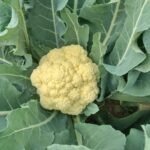
Botanically speaking, they are different cultivars of the same species, Brassica oleracea. Despite their genetic similarities, they develop differently. Broccoli typically produces green florets (though purple varieties exist), while cauliflower usually develops a white head, known as a ‘curd’, because the coarse green leaves protect it from the sun, preventing chlorophyll production.
Both vegetables are low in calories and high in fibre, making them excellent choices for weight management and digestive health. However, their micronutrient profiles differ in ways that may influence which one is better suited to your specific dietary needs.
Nutritional Breakdown and Differences
To understand the true difference between these two vegetables, we must look at the hard data. While both are incredibly nutritious, broccoli generally holds a slight edge regarding specific vitamins and minerals.
Here is a comparative breakdown of the nutritional content for 1 cup (approx. 90–100 grams) of raw vegetable:
| Nutrient | Broccoli (Raw) | Cauliflower (Raw) |
|---|---|---|
| Calories | 31 kcal | 25 kcal |
| Protein | 2.5 g | 2.0 g |
| Carbohydrates | 6 g | 5 g |
| Fibre | 2.4 g | 2.0 g |
| Fat | 0.4 g | 0.3 g |
| Vitamin C | 90% of DV | 57% of DV |
| Vitamin K | 77% of DV | 14% of DV |
| Folate (B9) | 14% of DV | 14% of DV |
| Manganese | 8% of DV | 4% of DV |
(Note: DV = Daily Value. Values are approximate averages based on standard databases.)
1. Vitamin C Content
One of the most significant differences lies in their Vitamin C content. Vitamin C is a powerful antioxidant essential for immune function, collagen synthesis, and skin health.
Broccoli provides nearly a full day’s worth of Vitamin C in a single serving. According to the NHS, adults need 40mg of Vitamin C a day. A standard portion of broccoli easily exceeds this, whereas cauliflower provides a substantial amount but significantly less than its green cousin.
2. Vitamin K and Bone Health
When comparing cauliflower vs broccoli for bone health, broccoli is the clear winner. It contains significantly higher levels of Vitamin K1 (phylloquinone).
Vitamin K is vital for blood clotting and bone metabolism. According to the National Institutes of Health, adequate Vitamin K intake is linked to improved bone density and a reduced risk of fractures. If you are focused on bone strength, broccoli should be a priority in your diet.
3. Fibre and Gut Health
Both vegetables are excellent sources of dietary fibre. Fibre supports a healthy microbiome, promotes regular bowel movements, and helps regulate blood sugar levels.
While broccoli contains slightly more fibre per gram, the difference is negligible for most people. Both vegetables contain insoluble fibre, which adds bulk to stool, and soluble fibre, which feeds beneficial gut bacteria. More details on fibre benefits can be found via the Mayo Clinic.
Health Benefits and Factors
Beyond basic vitamins, both vegetables are packed with bioactive plant compounds that contribute to disease prevention.
Antioxidants and Cancer Prevention
Cruciferous vegetables are famous for containing glucosinolates. When you chew or chop these vegetables, an enzyme called myrosinase converts glucosinolates into bioactive compounds like sulforaphane and indole-3-carbinol.
Research suggests that sulforaphane may help reduce the risk of various cancers by neutralising toxins and reducing inflammation. A study published on PubMed highlights sulforaphane’s potential in inhibiting cancer cell growth.
- Broccoli: Contains high levels of glucoraphanin, the precursor to sulforaphane.
- Cauliflower: Contains glucosinolates as well, though the concentrations can vary depending on the variety and freshness.
For more on the link between these vegetables and cancer prevention, the National Cancer Institute offers extensive resources.
Heart Health
Both vegetables contribute to heart health due to their fibre and antioxidant content. The fibre helps lower cholesterol levels, while antioxidants prevent oxidative stress in blood vessels.
Furthermore, the folate (Vitamin B9) found in both helps regulate homocysteine levels in the blood. High levels of homocysteine are a known risk factor for cardiovascular disease. The British Heart Foundation recommends a diet rich in these vegetables to maintain a healthy cardiovascular system.

Culinary Management: Preparation Matters
Choosing between cauliflower and broccoli often comes down to culinary application rather than just nutrition. How you prepare these vegetables significantly impacts their nutrient retention.
Cooking Methods
It is crucial to note that water-soluble vitamins, particularly Vitamin C and B vitamins, are sensitive to heat and water.
- Boiling: This is the least favourable method for nutrient preservation. Boiling broccoli can result in the loss of up to 50% of its Vitamin C, which leaches into the water.
- Steaming: This is the gold standard. Steaming softens the fibre without submerging the vegetable, preserving the majority of vitamins and the vibrant colour of broccoli.
- Roasting: Roasting enhances flavour by caramelising natural sugars. While some heat-sensitive vitamins are lost, the fat-soluble vitamins (like Vitamin K and A) become more absorbable when roasted with a healthy oil, such as olive oil.
The Rise of Cauliflower Substitutes
Cauliflower has a unique advantage in the kitchen: its neutral flavour and texture. This has led to the ‘cauliflower craze’ in low-carb and keto diets.
- Cauliflower Rice: Grated cauliflower mimics the texture of rice but with a fraction of the carbohydrates.
- Pizza Crusts: Cauliflower mash combined with egg and cheese creates a gluten-free pizza base.
- Mash: Steamed and blended cauliflower is a popular low-calorie alternative to mashed potatoes.
Broccoli, having a stronger, distinctively ‘green’ flavour and fibrous stem, is less adaptable as a grain substitute but shines in stir-fries, soups, and salads.
Practical Tips for Selection and Storage
To get the most out of your cruciferous vegetables, follow these practical guidelines:
Selection
- Broccoli: Look for firm stalks and tight, dark green florets. Avoid heads that are yellowing or have limp stalks, as this indicates age and nutrient loss.
- Cauliflower: Choose heads that are heavy for their size with creamy white curds. Avoid heads with brown spots or loose, spreading sections. The leaves should be fresh and green.
Storage
- Refrigeration: Store unwashed vegetables in the crisping drawer of your fridge. Moisture promotes spoilage, so do not wash them until you are ready to cook.
- Freezing: Both freeze well. You must blanch them (briefly boil and then plunge into ice water) before freezing to deactivate enzymes that cause spoilage. Without blanching, they will become mushy and lose flavour.
Digestive Considerations
Some individuals may experience bloating or gas when consuming cruciferous vegetables due to raffinose, a complex carbohydrate that is difficult to digest.
If you have a sensitive stomach or IBS (Irritable Bowel Syndrome), cooking the vegetables thoroughly can help break down these fibres. Additionally, according to the British Nutrition Foundation, introducing high-fibre foods gradually allows your digestive system to adapt.
Variety is Key
Don’t limit yourself to the standard green and white varieties.
- Purple Sprouting Broccoli: Contains anthocyanins, the same antioxidants found in blueberries.
- Orange Cauliflower: Genetically naturally occurring mutations allow it to hold more beta-carotene (Vitamin A precursor) than white varieties.
For precise nutritional data on specific varieties, you can consult databases like the USDA FoodData Central for Broccoli and USDA FoodData Central for Cauliflower.
The Bottom Line
When analysing cauliflower vs broccoli, is there a clear winner?
From a purely nutritional standpoint, broccoli takes the crown. It provides significantly more Vitamin K and Vitamin C per calorie and generally boasts a higher concentration of beneficial plant compounds and eye-protecting antioxidants like lutein and zeaxanthin.
However, cauliflower is a nutritional powerhouse in its own right. It is slightly lower in calories and offers unmatched versatility for those following low-carb, keto, or gluten-free diets. It allows you to replace high-calorie staples like rice and flour with a nutrient-dense vegetable.
Ideally, you should not choose one over the other.
A healthy diet relies on variety. By rotating both broccoli and cauliflower in your meals, you ensure a broader intake of different phytonutrients. Whether you are roasting cauliflower steaks or steaming broccoli florets for a side dish, both vegetables offer substantial benefits for heart health, digestion, and cancer prevention.
Incorporating a mix of these cruciferous vegetables is a simple, delicious step toward better long-term health. For further reading on antioxidant properties, studies are available via Medical News Today and other health archives.