Chickpea Spacing: The Secret to a Bountiful Garden Harvest
If you have ever dreamt of harvesting your own protein-packed legumes, you have likely considered growing Cicer arietinum. Commonly known as the chickpea or garbanzo bean, this versatile plant is a staple in kitchens worldwide. However, achieving a successful crop depends on more than just good soil; mastering chickpea spacing is the fundamental step that separates a mediocre harvest from a flourishing one.
In this guide, we will explore why the distance between your plants matters, how to optimise your garden layout, and the science behind successful legume cultivation. Whether you are a fan of organic gardening or a commercial grower, these insights will help you maximise your yield while maintaining plant health.
Why Does Chickpea Spacing Matter?
Proper spacing is not merely about aesthetics; it is about resources. When plants are crowded, they compete for sunlight, water, and soil nutrients. Conversely, if they are too far apart, you waste valuable garden real estate and may struggle with weed suppression.
Chickpeas are a cool-season legume, meaning they prefer the mild temperatures of spring and autumn. Getting the plant density right ensures that air can circulate freely around the foliage, which is the best defence against common fungal diseases like Ascochyta blight.
The Benefits of Optimal Spacing
- Improved Sunlight Penetration: Ensures all leaves can photosynthesise efficiently.
- Better Pod Development: Adequate room allows the plant to produce more pods per stem.
- Natural Weed Control: A well-spaced canopy eventually shades the ground, preventing weed growth.
- Efficient Nitrogen Fixation: Chickpeas work with soil bacteria for nitrogen fixation, a process that improves soil health for future crops.
The Ideal Chickpea Spacing Requirements
The specific spacing you need depends largely on whether you are growing kabuli chickpeas (large, light-coloured seeds) or desi chickpeas (smaller, darker seeds). Generally, you should aim for the following measurements:
- Plant-to-Plant Distance: 7 to 15 cm (3 to 6 inches) apart.
- Row Spacing: 30 to 60 cm (12 to 24 inches) apart.
- Sowing Depth: 4 to 6 cm (1.5 to 2.5 inches) deep.
A higher seed rate is often used in cooler climates to compensate for lower germination percentages. However, always check the soil temperature before sowing; chickpeas prefer it to be at least 10°C (50°F) for successful emergence.
Chickpea Spacing Comparison Table
To help you visualise the requirements for different varieties, refer to the table below:
| Variety Type | Plant Spacing (cm) | Row Spacing (cm) | Ideal Environment |
|---|---|---|---|
| Kabuli Chickpeas | 10 – 15 | 45 – 60 | Mediterranean/Mild climates |
| Desi Chickpeas | 7 – 10 | 30 – 45 | Arid/Semi-arid regions |
| Intensive Beds | 10 (Hexagonal) | N/A | Small urban gardens |
Step-by-Step Guide to Planting Chickpeas
Once you have determined your chickpea spacing, it is time to get your hands in the earth. Follow these steps to ensure your cool-season legume gets the best start possible:
1. Prepare the Soil
Chickpeas thrive in well-drained soil with a neutral pH. Avoid high-nitrogen fertilisers, as too much nitrogen can actually inhibit pod development by encouraging excessive leaf growth at the expense of seeds.
2. Calculate Your Sowing Depth
The sowing depth is critical. If seeds are too shallow, they may dry out or be eaten by birds. If they are too deep, they may rot before reaching the surface. Aim for roughly 5 cm in most soil types.
3. Implementing the Spacing
Use a garden line to create straight rows. Drop seeds at the recommended row spacing intervals. If you are practising companion planting, consider placing chickpeas near savoury herbs or cucumbers, which benefit from the nitrogen-rich soil, as noted by the Missouri Botanical Garden.
Managing Growth and Health
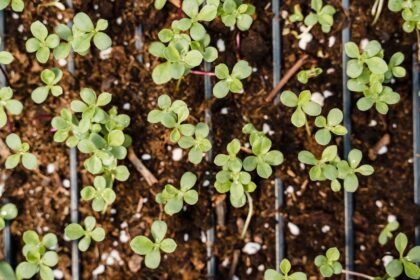
After your seedlings emerge, maintaining the integrity of your chickpea spacing is vital. If your plant density appears too high because multiple seeds germinated in one spot, thin them out gently. This prevents the spread of pathogens that thrive in stagnant, humid air.
Research published in ScienceDirect suggests that maintaining consistent moisture during the flowering stage is crucial, though chickpeas are remarkably drought-tolerant once established. For those interested in the nutritional side, the Mayo Clinic highlights that these legumes are an excellent source of fibre and plant-based protein, making them a worthy addition to any garden.
Health Benefits of Home-Grown Chickpeas
Growing your own food allows you to control exactly what goes into your body. Fresh chickpeas are nutrient-dense and offer several health advantages:
- Heart Health: High fibre content helps manage cholesterol levels.
- Blood Sugar Regulation: They have a low glycaemic index, which is beneficial for metabolic health, according to Healthline.
- Weight Management: The combination of protein and fibre promotes a feeling of fullness.
For more detailed data on the nutritional profile of pulses, you can visit the Food and Agriculture Organization (FAO) or the National Institutes of Health (NIH).
Expert Tips for Success
To truly excel at growing these legumes, keep these expert tips in mind:
- Rotate Your Crops: Never plant chickpeas in the same spot two years in a row to prevent the build-up of soil-borne pests.
- Check Your Drainage: Chickpeas hate “wet feet.” Ensure your organic gardening site has excellent drainage, as recommended by The Old Farmer’s Almanac.
- Monitor Soil Health: Use a soil test to check for micronutrients. Experts at MSU Extension suggest that soil testing is the first step to any successful harvest.
- Understand Regional Timing: In Australia, for example, the Department of Agriculture provides specific windows for sowing to avoid frost during the sensitive flowering stage.
Common Spacing Mistakes to Avoid
Many beginners make the mistake of sowing too many seeds in a small area, thinking it will lead to a higher yield. However, research from Purdue Extension shows that overcrowding leads to smaller seeds and increased susceptibility to pests. Conversely, leaving too much row spacing can lead to soil erosion and increased water evaporation. Striking the right balance is the key to sustainability.
Frequently Asked Questions (FAQs)
Can I grow chickpeas in pots?
Yes, you can grow chickpeas in containers. However, you must still respect chickpea spacing. Use a pot that is at least 30 cm deep and space plants about 10 cm apart to ensure they have enough room for their root systems.
How long does it take for chickpeas to grow?
Chickpeas generally take between 90 and 120 days to reach full maturity. The soil temperature and consistent chickpea spacing will influence how quickly the plants develop and pods mature.
Do chickpeas need a trellis?
Most chickpea varieties are bushy and stand about 40 to 60 cm tall, so they do not typically require a trellis. However, if you are growing them in a very windy area, some light support can prevent them from toppling over, as noted by Gardening Know How.
What is the best way to prevent pests?
Maintaining proper chickpea spacing is your first line of defence. For further protection, you can look into integrated pest management strategies discussed by agricultural researchers at Cambridge University.
By following these guidelines and understanding the importance of chickpea spacing, you are well on your way to a successful and healthy harvest. Happy gardening!