The Dietary Approaches to Stop Hypertension (DASH) diet represents one of the most scientifically validated nutritional approaches for reducing blood pressure and supporting cardiovascular health. Developed through extensive research funded by the US National Institutes of Health, the DASH diet has gained recognition from UK health authorities as an effective tool for managing hypertension naturally.
Understanding High Blood Pressure
High blood pressure, or hypertension, affects approximately one in four adults in the UK according to NHS statistics (https://www.nhs.uk/conditions/high-blood-pressure-hypertension/prevention/). This condition significantly increases the risk of heart disease, stroke, and kidney disease, making effective management crucial for long-term health.
Blood pressure readings consist of two numbers:
- Systolic pressure: The pressure when your heart beats (top number)
- Diastolic pressure: The pressure when your heart rests between beats (bottom number)
Normal blood pressure is typically below 120/80 mmHg, whilst high blood pressure is diagnosed when readings consistently exceed 140/90 mmHg. The DASH diet has been shown to reduce systolic blood pressure by 8-14 mmHg, a reduction comparable to some blood pressure medications.
DASH Diet Fundamentals
The DASH diet emphasises nutrient-dense foods whilst limiting sodium, saturated fat, and added sugars. The approach focuses on whole foods rich in potassium, calcium, magnesium, and fibre—nutrients that naturally support healthy blood pressure levels.
Core DASH Principles
High Intake: Fruits, vegetables, whole grains, lean proteins, low-fat dairy, nuts, and seeds
Moderate Intake: Poultry, fish, and healthy fats
Limited Intake: Red meat, sweets, sugary beverages, and high-sodium foods
Restricted Intake: Processed foods, refined grains, and excessive sodium
The British Heart Foundation (https://www.bhf.org.uk/informationsupport/support/healthy-living/healthy-eating) endorses similar dietary patterns for cardiovascular health, emphasising the importance of reducing sodium whilst increasing potassium-rich foods.
Daily Food Group Targets
Vegetables (4-5 servings daily)
One serving equals 1 cup raw leafy vegetables, ½ cup cooked vegetables, or ½ cup vegetable juice. Emphasise variety and colour to maximise nutrient intake.
Potassium-Rich Options: Spinach, sweet potatoes, tomatoes, broccoli, and Brussels sprouts provide potassium that helps counteract sodium’s blood pressure effects.
Preparation Tips: Steam, roast, or sauté vegetables with minimal added fats. Use herbs and spices instead of salt for flavouring.
Fruits (4-5 servings daily)
One serving equals 1 medium fruit, ½ cup fresh fruit, or ¼ cup dried fruit. Choose fresh or frozen options over canned varieties with added sugars.
High-Potassium Choices: Bananas, oranges, cantaloupe, and apricots provide substantial potassium alongside vitamins and antioxidants.
Smart Substitutions: Replace sugary desserts with fresh fruit or fruit-based options to satisfy sweet cravings whilst supporting blood pressure goals.
Whole Grains (6-8 servings daily)
One serving equals 1 slice whole grain bread, ½ cup cooked rice or pasta, or 1 ounce breakfast cereal. Choose whole grains over refined options for maximum fibre and nutrient content.
Best Options: Oats, brown rice, quinoa, whole wheat bread, and barley provide sustained energy and blood pressure-supporting nutrients.
Lean Proteins (6 servings daily)
One serving equals 1 ounce cooked meat, poultry, or fish. The DASH diet emphasises plant proteins and lean animal proteins whilst limiting red meat.
Fish and Seafood: Fatty fish like salmon, mackerel, and sardines provide omega-3 fatty acids that support cardiovascular health alongside protein.
Plant Proteins: Beans, lentils, and tofu offer protein with additional fibre and potassium benefits.
Low-Fat Dairy (2-3 servings daily)
One serving equals 1 cup milk or yoghurt, or 1.5 ounces cheese. Choose low-fat or fat-free options to maximise calcium intake whilst minimising saturated fat.
Calcium Benefits: Adequate calcium intake supports blood pressure regulation and bone health. Greek yoghurt provides protein alongside calcium.
Nuts and Seeds (4-5 servings weekly)
One serving equals ⅓ cup nuts, 2 tablespoons seeds, or 2 tablespoons nut butter. These foods provide healthy fats, protein, and minerals that support cardiovascular health.

Sodium Reduction Strategies
The DASH diet recommends limiting sodium to 2,300mg daily, with additional benefits seen at 1,500mg daily. The average UK adult consumes approximately 3,400mg sodium daily, making reduction efforts crucial.
Reading Food Labels
Most dietary sodium comes from processed foods rather than table salt. Learn to identify high-sodium ingredients like monosodium glutamate, sodium bicarbonate, and sodium citrate.
High-Sodium Foods to Limit:
- Processed meats and cheeses
- Canned soups and broths
- Frozen meals
- Restaurant foods
- Snack foods and crackers
Flavour Enhancement Alternatives
Replace salt with herbs, spices, citrus juices, and vinegars to maintain food enjoyment whilst reducing sodium intake.
Herb and Spice Combinations:
- Italian herbs for pasta dishes
- Cumin and paprika for Mexican flavours
- Ginger and garlic for Asian-inspired meals
- Lemon juice and herbs for fresh, bright flavours
According to Stroke Association guidelines (https://www.stroke.org.uk/preventing-stroke/how-prevent-stroke/diet), reducing sodium intake significantly reduces stroke risk alongside blood pressure benefits.
Sample DASH Diet Meal Plans
Week 1 Sample Day
Breakfast: Porridge made with low-fat milk, topped with sliced banana and chopped walnuts
Mid-Morning Snack: Apple with unsalted almonds
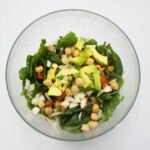
Lunch: Large salad with mixed greens, chickpeas, cherry tomatoes, cucumber, and olive oil dressing
Afternoon Snack: Low-fat Greek yoghurt with berries
Dinner: Grilled salmon with roasted sweet potatoes and steamed broccoli
Evening Snack: Small handful of unsalted nuts
Meal Preparation Tips
Batch Cooking: Prepare grains, proteins, and chopped vegetables in advance for quick meal assembly.
Smart Shopping: Shop the perimeter of grocery stores where fresh, unprocessed foods are typically located.
Restaurant Strategies: Request dressings and sauces on the side, choose grilled over fried options, and ask about sodium content when possible.
Overcoming Common Challenges
Managing Food Costs
DASH diet principles can be implemented affordably by emphasising seasonal produce, frozen fruits and vegetables, dried legumes, and bulk grains.
Budget-Friendly Strategies:
- Buy seasonal produce on sale
- Use frozen vegetables in soups and stews
- Purchase dried beans and lentils in bulk
- Choose less expensive protein sources like eggs and canned fish
Time Constraints
Busy schedules can make DASH diet implementation challenging, but strategic planning helps maintain consistency.
Time-Saving Approaches:
- Prepare large batches on weekends
- Use slow cookers for hands-off meal preparation
- Keep healthy snacks readily available
- Choose simple preparations like steamed vegetables and grilled proteins
Social Situations
Navigating social eating whilst following DASH principles requires planning and flexibility.
Social Eating Strategies:
- Eat a small DASH-compliant snack before events
- Focus on vegetable dishes and lean proteins at gatherings
- Bring a DASH-friendly dish to share
- Stay hydrated with water rather than sugary beverages
Monitoring Progress
Blood Pressure Tracking
Regular blood pressure monitoring helps assess DASH diet effectiveness. Many pharmacies offer free blood pressure checks, or consider purchasing a home monitor.
Optimal Monitoring:
- Check blood pressure at consistent times
- Record readings in a journal or app
- Share results with healthcare providers
- Look for trends rather than focusing on individual readings
Additional Health Markers
The DASH diet affects multiple health indicators beyond blood pressure:
Weight Management: Many people experience healthy weight loss on the DASH diet due to its emphasis on nutrient-dense, lower-calorie foods.
Cholesterol Levels: The diet’s emphasis on healthy fats and fibre often improves cholesterol profiles.
Blood Sugar Control: Whole grains and controlled portions help stabilise blood sugar levels.
Professional Support and Resources
Healthcare Team Involvement
Work with GPs, practice nurses, or registered dietitians to personalise DASH diet implementation. Some individuals may need medication alongside dietary changes.
Educational Resources
The NHS provides extensive resources on blood pressure management and healthy eating (https://www.nhs.uk/conditions/high-blood-pressure-hypertension/prevention/) that complement DASH diet principles.
Support Groups
Consider joining local or online support groups focused on blood pressure management or healthy eating for motivation and practical tips.
Long-Term Success Strategies
Gradual Implementation
Implement DASH diet principles gradually rather than making dramatic changes overnight. Start by increasing vegetable intake or reducing sodium, then progressively adopt other elements.
Flexibility and Adaptation
Adapt DASH principles to personal preferences, cultural foods, and lifestyle demands whilst maintaining core nutritional guidelines.
Sustainable Habits
Focus on creating lasting lifestyle changes rather than viewing the DASH diet as a temporary intervention. The most successful individuals integrate DASH principles into their long-term eating patterns.
Special Considerations
Medication Interactions
Some blood pressure medications may interact with dietary changes. Consult healthcare providers before making significant dietary modifications, particularly regarding potassium intake.
Individual Variations
Blood pressure response to dietary changes varies between individuals. Some people may see dramatic improvements within weeks, whilst others require longer periods or additional interventions.
Comprehensive Approach
Combine DASH diet principles with other lifestyle modifications like regular physical activity, stress management, adequate sleep, and smoking cessation for optimal blood pressure control.
Conclusion
The DASH diet provides a scientifically validated, practical approach to reducing blood pressure through nutrition. By emphasising whole foods rich in blood pressure-supporting nutrients whilst limiting sodium and processed foods, individuals can significantly impact their cardiovascular health.
Success with the DASH diet requires commitment, planning, and patience as blood pressure improvements may take several weeks to become apparent. The approach offers benefits beyond blood pressure reduction, including weight management, improved cholesterol levels, and enhanced overall health.
Remember that whilst the DASH diet can significantly impact blood pressure, some individuals may still require medication to achieve optimal levels. Work with healthcare professionals to develop comprehensive approaches that combine nutritional interventions with appropriate medical care for the best possible outcomes.