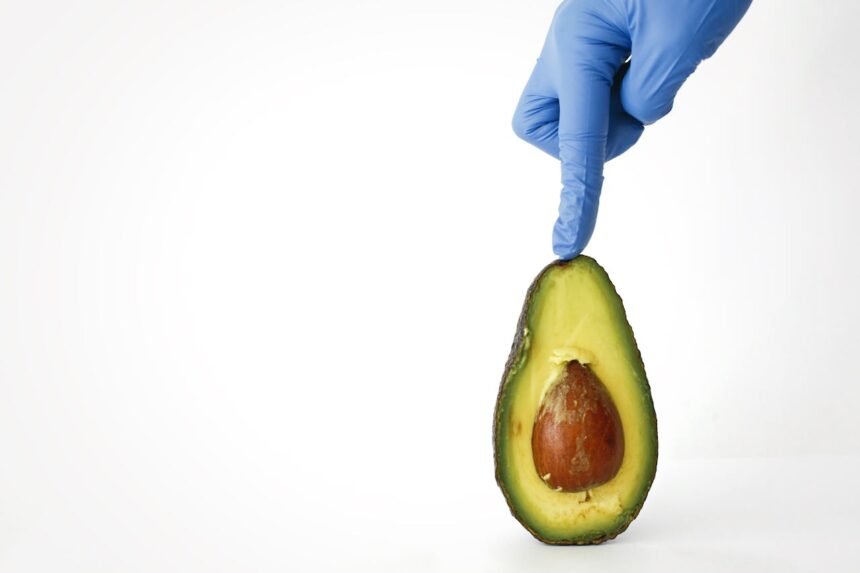
In the realm of functional foods and ketogenic diets, few ingredients command as much respect as the avocado. Renowned for its monounsaturated fats and fibre content, this fruit—botanically a berry—is a staple in health-conscious kitchens across the UK. However, texture is often the stumbling block for those seeking a savoury snack. While creamy guacamole is delightful, it does not satisfy the primal craving for a crunch.
Enter the dehydrated avocado chips recipe. This preparation method transforms the soft, buttery flesh of the avocado into a crisp, shelf-stable snack that rivals traditional potato crisps in satisfaction but vastly outperforms them in nutritional value. Unlike frying, which introduces oxidised oils and high heat that can degrade nutrients, dehydration slowly removes moisture while preserving enzymes and vitamins.
This article provides an exhaustive guide to creating this snack. We will explore the physiological reasons we crave salty, crunchy foods, the inflammatory consequences of standard processing, and provide a scientifically robust method for making avocado chips at home. Whether you are managing blood sugar levels, adhering to a paleo protocol, or simply seeking a heart-healthy alternative, this recipe is a significant culinary intervention.
Symptoms and Causes: The Problem with Standard Snacking
To understand why a dehydrated avocado chips recipe is necessary, we must first examine the “symptoms” of a poor diet and the “causes” behind our snacking habits.
Symptoms of High-Processed Snacking
Consuming standard savoury snacks—such as fried potato crisps or corn-based tortilla chips—often leads to a specific set of physiological responses. Many individuals report feeling sluggish shortly after consumption, a phenomenon often linked to rapid spikes and subsequent crashes in blood glucose.
Furthermore, chronic consumption of these products is associated with sub-clinical inflammation. Symptoms of dietary-induced inflammation can include:
- Brain Fog: A lack of mental clarity often attributed to unstable blood sugar and poor lipid profiles.
- Water Retention: High sodium levels in processed snacks disrupt the body’s electrolyte balance, leading to bloating.
- Digestive Discomfort: Highly processed vegetable oils (such as sunflower or canola oil) used in industrial frying can be irritants to the gut lining.
Causes: Why We Crave the Crunch
Why do we reach for the crisps despite knowing the health risks? The cause is often twofold: psychological and biological.
1. The texture-satiety link:
Research suggests that the sound and sensation of crunching food help to signal satiety to the brain. Soft foods, while caloric, often fail to trigger these sensory satiety cues as effectively as hard foods. This is why it is easy to overeat soft carbohydrates, yet a crunchy texture feels more ‘complete’ as a meal component.
2. The Sodium-Dopamine Loop:
Commercially produced snacks are engineered to be hyper-palatable. The precise combination of salt and fat triggers the release of dopamine in the brain, creating a reward loop similar to addiction.
3. The Need for Fat:
Biologically, the human body craves fat for energy and hormone production. However, modern diets often supply oxidised, inflammatory fats rather than the stable, nutritious fats found in whole foods like avocados. When the body signals a need for fat, we often misinterpret this as a craving for fried snacks.
Treatment and Management: The Dehydrated Avocado Chips Recipe
The “treatment” for the unhealthy snack dilemma is replacing empty calories with nutrient-dense fuel. Dehydrating avocados concentrates their flavour and nutrients, providing a robust solution to the crunch craving without the inflammatory side effects.
The Science of Dehydration
Dehydration works by removing the water content from the food (avocados are approximately 73% water) at a low temperature. This inhibits the growth of bacteria and mould, which require moisture to thrive.
Crucially, because the temperature remains low (usually below 48°C or 118°F), the integrity of the avocado’s delicate monounsaturated fats is maintained. High-heat cooking can cause these fats to oxidise, but dehydration preserves them.
Ingredients and Equipment
To execute this dehydrated avocado chips recipe effectively, precision is key.
Equipment:
- Food Dehydrator: While an oven can be used at its lowest setting, a dehydrator provides the consistent airflow required for an even crisp.
- Mandoline Slicer: Essential for uniform thickness (3-5mm). Uneven slices will result in some chips being burnt while others remain soggy.
- Lemon Juice or Citric Acid: To prevent enzymatic browning.
Ingredients:
- 2 Large Avocados (Hass variety is preferred for its creamier texture and higher fat content).
- 1 Lemon or Lime (freshly squeezed).
- 1/2 tsp Sea Salt or Himalayan Pink Salt.
- 1/4 tsp Garlic Powder (optional).
- 1/4 tsp Nutritional Yeast (optional, for a cheesy flavour).
Step-by-Step Procedure
Step 1: Selection
Choose avocados that are ripe but firm. If the avocado is too soft or mushy, it will not hold its shape during slicing and will result in a paste rather than a chip. Test the fruit by pressing gently near the stem; it should yield slightly but not leave an indentation.
Step 2: Preparation
Halve the avocados and remove the stone. Carefully peel the skin away from the flesh to preserve the dark green outer layer, which is richest in carotenoids.
Step 3: Slicing
Using a mandoline slicer, slice the avocado into wedges or rounds approximately 3mm to 5mm thick. Uniformity is the critical factor here.
Step 4: Acidulation
Immediately brush each slice with lemon juice. Avocados contain an enzyme called polyphenol oxidase; when exposed to oxygen, this enzyme causes the flesh to turn brown. The citric acid in the lemon juice denatures this enzyme, preserving the vibrant green colour.
Step 5: Seasoning
Arrange the slices on the dehydrator trays, ensuring they do not overlap. Sprinkle evenly with salt and your chosen spices. The salt also aids the dehydration process by drawing moisture out of the cells via osmosis.
Step 6: Dehydration
Set your dehydrator to 46°C (115°F). Dehydrate for 18 to 24 hours. The low temperature is vital to keep the snack “raw” and preserve the lipid structure.
Step 7: The Snap Test
Around the 18-hour mark, test a chip. It should snap cleanly rather than bend. If there is any pliability, they need more time. Moisture is the enemy of shelf stability.

Tips for Prevention (of soggy chips) and Variation
Managing your expectations and technique is vital for this recipe. Avocados are high in fat, and fat does not dehydrate like water does. Consequently, these chips will have a different mouthfeel to a potato crisp—they are lighter, airier, and richer.
Storage and Shelf Life
Unlike dried fruit, dried fats can go rancid if exposed to oxygen and light.
- Cool and Dark: Store your chips in an airtight jar in a cool, dark cupboard.
- Desiccants: Include a food-grade silica gel packet in the jar to absorb any residual moisture.
- Fridge vs. Cupboard: For longevity, storing them in the refrigerator can extend their shelf life to two weeks. At room temperature, consume within 5-7 days.
Flavour Variations
To prevent flavour fatigue, consider these variations on the standard dehydrated avocado chips recipe:
- Spicy Kick: Add cayenne pepper or chilli flakes before dehydrating to boost metabolism.
- Savoury Umami: A dusting of smoked paprika and cumin works exceptionally well with the creamy profile of the avocado.
- Salt and Vinegar: Marinate the slices in apple cider vinegar for 10 minutes before dehydrating for a tangy profile.
Troubleshooting
- Chips are brown: You likely didn’t use enough lemon juice, or the dehydrator temperature was too high.
- Chips are chewy: They were sliced too thick or not dehydrated long enough.
The Bottom Line
Adopting a dehydrated avocado chips recipe into your culinary repertoire is more than just learning a new kitchen trick; it is a proactive step towards better metabolic health. By substituting processed, inflammatory carbohydrates with whole-food, monounsaturated fats, you treat the “symptoms” of poor snacking habits at their root.
These chips provide a significant source of potassium, dietary fibre, and healthy fats, supporting heart health and sustained energy levels without the glucose spike associated with traditional crisps. While the process requires patience, the result is a functional food that satisfies the human need for crunch while nourishing the body on a cellular level.
Whether you are following a ketogenic lifestyle or simply trying to reduce your intake of ultra-processed foods, these chips offer a scientifically sound, delicious alternative.