
In the ever-evolving world of skincare, the quest for the elusive “glass skin”—a complexion that appears poreless, luminous, and incredibly hydrated—often leads consumers down a rabbit hole of synthetic compounds and complex chemical formulations. However, a shift towards biocompatible, botanical ingredients is reshaping the industry. Among these rising stars is an ingredient derived from a humble kitchen staple: Apple Fruit Water.
While most are familiar with the dietary maxim regarding an apple a day, the topical application of Pyrus Malus (apple) derivatives is unveiling a new frontier in dermatology. Specifically, apple fruit water benefits hydration in ways that standard purified water cannot, offering a nutrient-dense, bio-active alternative that supports the skin barrier, gently exfoliates, and combats signs of aging.
This article delves into the science behind apple fruit water, exploring why this botanical essence is becoming the gold standard for achieving plump, dewy skin.
The Essence of Pyrus Malus: What is Apple Fruit Water?
To understand the benefits, one must first distinguish apple fruit water from apple juice or apple cider vinegar. Apple fruit water is typically obtained through flash distillation or steam distillation of fresh apples. This process captures the cellular water of the fruit—often referred to as “living water”—which retains minute traces of essential oils, phytonutrients, and minerals, while removing the sugars that would otherwise leave the skin sticky.
Unlike deionized water, which is a passive carrier in most skincare formulations, apple fruit water is an active ingredient. According to the National Center for Biotechnology Information (NCBI), plant-derived waters often possess biological compatibility with human skin, allowing for superior absorption and efficacy.
The Hydration Mechanic: Why It Works
At the core of apple fruit water benefits hydration is its molecular composition. Standard water often sits on the surface of the skin or evaporates quickly (Transepidermal Water Loss, or TEWL) before it can be utilized. Apple fruit water mimics the skin’s natural fluids more closely.
1. Superior Osmotic Balance
Apple water contains trace minerals like potassium, magnesium, and zinc. These minerals act as electrolytes, which are crucial for maintaining the skin’s osmotic balance. This facilitates the movement of water into the cells, resulting in deep, sustained hydration rather than a fleeting sensation of wetness.
2. Polyol Content
Apples are rich in sorbitol, a natural sugar alcohol (polyol) that acts as a humectant. Humectants attract moisture from the environment and bind it to the skin. This mechanism is similar to how hyaluronic acid functions, helping to plump the skin and smooth out fine lines caused by dehydration.
Beyond Moisture: The Anti-Aging and Brightening Profile
While hydration is the headline act, the supporting benefits of apple fruit water are equally impressive, largely due to its phytochemical profile.
The Power of Polyphenols
Apples are a potent source of polyphenols, particularly quercetin and catechins. These compounds are powerful antioxidants. As detailed by the Harvard T.H. Chan School of Public Health, antioxidants are essential for neutralizing free radicals—unstable atoms generated by UV exposure and pollution that accelerate skin aging. By scavenging these free radicals, apple fruit water helps protect the skin’s collagen and elastin networks.
Enzymatic Exfoliation with Malic Acid
One of the standout components of apple fruit water is Malic Acid, a gentle Alpha Hydroxy Acid (AHA). Unlike harsh synthetic acids that can strip the lipid barrier, the naturally occurring Malic Acid in apple water offers mild enzymatic exfoliation.
- Cell Turnover: It encourages the shedding of dead skin cells, revealing brighter skin underneath.
- Pore Maintenance: It helps keep pores clear of debris, reducing the likelihood of comedones (blackheads).
- Texture Refining: Regular use leads to a smoother surface texture, which enhances light reflection—the key to “dewy” skin.
For those interested in the chemistry of AHAs, PubChem provides extensive data on how Malic Acid functions as a pH adjuster and buffering agent, making it safe for sensitive skin types.
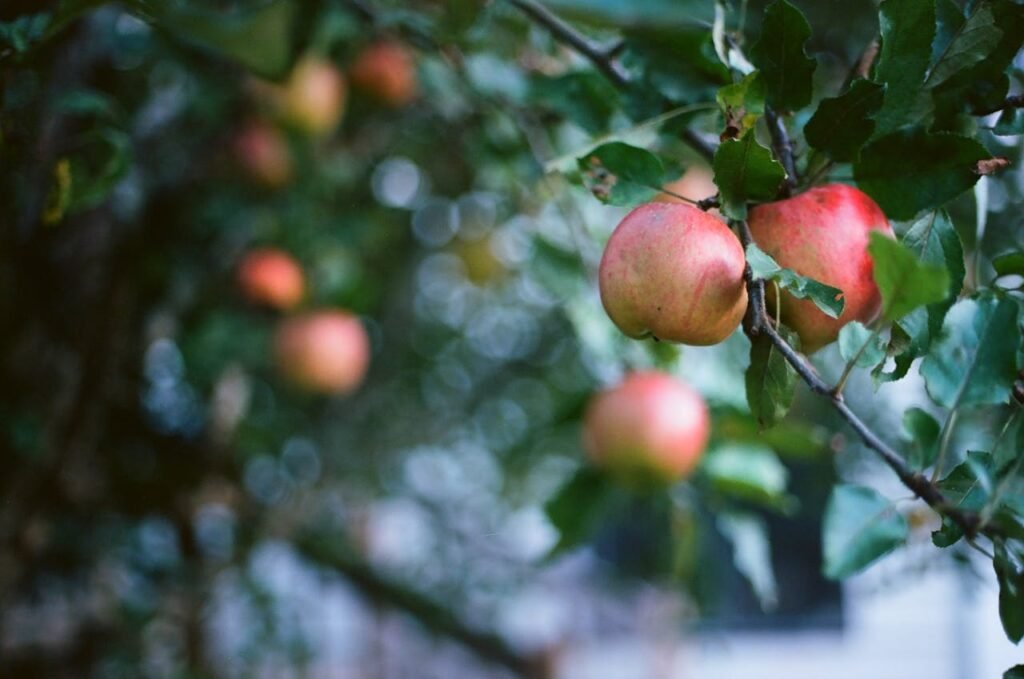
Comparative Analysis: Apple Water vs. The Competition
To better understand where apple fruit water fits into a regimen, it is helpful to compare it with other popular aqueous bases found in skincare.
| Feature | Apple Fruit Water | Rose Water | Distilled Water | Witch Hazel Water |
|---|---|---|---|---|
| Primary Function | Hydration & Gentle Exfoliation | Soothing & Calming | Solvent/Filler | Astringent & Oil Control |
| Key Active Component | Malic Acid & Polyphenols | Phenolic compounds | None (Inert) | Tannins |
| Exfoliation Level | Low (Enzymatic) | None | None | None |
| Hydration Capability | High (Contains Polyols) | Medium | Low (Can increase TEWL) | Low (Can be drying) |
| Best For | Dull, Dehydrated, Aging Skin | Sensitive, Redness-Prone Skin | All (as a base) | Oily, Acne-Prone Skin |
| Antioxidant Potency | High | Medium-High | None | Medium |
Synergistic Pairings: How to Maximize Benefits
Apple fruit water rarely works alone. It is an excellent team player in cosmetic formulations. To maximize the apple fruit water benefits regarding hydration, look for products that pair it with compatible ingredients.
Vitamin C
Because apple water already contains trace amounts of Vitamin C, pairing it with a stable Vitamin C serum can boost the brightening effects. The Mayo Clinic notes that Vitamin C is vital for collagen synthesis, and the acidic environment provided by the apple water can help stabilize certain forms of this vitamin.
Niacinamide
The soothing nature of apple water complements Niacinamide’s ability to strengthen the skin barrier. While Niacinamide reduces inflammation, apple water provides the hydration necessary for the barrier to function correctly.
Sustainability: The Upcycled Beauty Revolution
A professional discussion on apple fruit water cannot ignore the environmental angle. The beauty industry is increasingly scrutinized for its waste. Apple fruit water is frequently a byproduct of the juice industry. Imperfect apples—those that are bruised or aesthetically displeasing for supermarkets—are often pressed for juice, and the condensate water recovered during concentration is what becomes skincare gold.
This aligns with the Environmental Protection Agency (EPA) goals regarding food waste reduction. By utilizing “upcycled” water, skincare brands reduce their reliance on freshwater resources, making apple fruit water an eco-conscious choice for the green consumer.
Who Should Use Apple Fruit Water?
One of the most significant advantages of this ingredient is its universality.
- Dry Skin: Benefits from the polyols and immediate hydration.
- Oily Skin: Benefits from the light texture and the gentle astringency of Malic Acid without the heaviness of oils.
- Sensitive Skin: Because the AHA concentration is lower and more buffered than synthetic peels, it is generally well-tolerated. However, those with extreme sensitivity should always perform a patch test.
According to the American Academy of Dermatology, choosing gentle, non-abrasive ingredients is crucial for maintaining long-term skin health, a criterion that apple fruit water meets effectively.
Incorporating Apple Fruit Water into Your Routine
- Toners and Mists: This is the most common application. Spritzing apple water toner immediately after cleansing balances the skin’s pH (which naturally sits around 5.5, similar to apples).
- Serums: Look for water-based serums where Pyrus Malus Fruit Water is listed as the first ingredient instead of Aqua.
- Sheet Masks: Masks soaked in apple essence provide an occlusive environment, forcing the nutrients deeper into the epidermis.
Conclusion: The Future is Fruit-Forward
The narrative of skincare is shifting from harsh correction to gentle nourishment. The discovery of apple fruit water benefits for hydration and skin rejuvenation represents a convergence of nature and science. It offers a solution that addresses dryness, dullness, and aging while respecting the skin’s biological limits and the planet’s resources.
If you are struggling with lackluster skin or simply looking to upgrade your hydration game, scanning your ingredient labels for Pyrus Malus might be the best decision you make this year. Embrace the power of the apple—not just for your health, but for a complexion that truly glows.
Disclaimer: This article is for informational purposes only. Always consult with a dermatologist before making significant changes to your skincare routine, especially if you have pre-existing skin conditions.