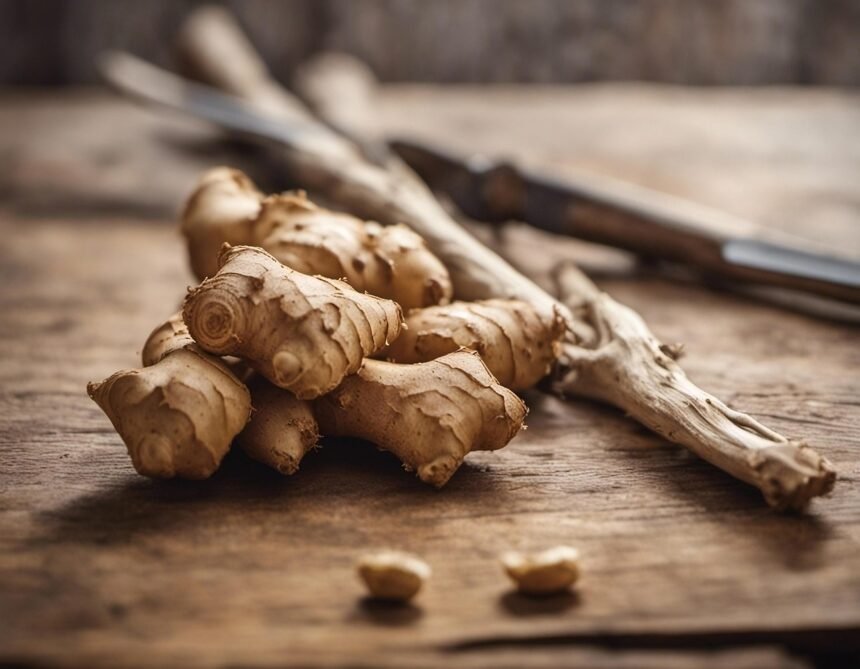
Ginger (Zingiber officinale) has been a staple in traditional medicine and culinary arts for thousands of years. Whether you are adding a spicy kick to a stir-fry or brewing a soothing tea for an upset stomach, this rhizome is a powerhouse of flavour and nutrition. However, a common question arises in both the kitchen and the medicine cabinet: Is dried ginger better than fresh, or vice versa?
While they originate from the same plant, the drying process fundamentally alters the chemical composition of the spice. This means that dried ginger and fresh ginger possess distinct health profiles, flavours, and best-use cases.
In this article, we will explore the scientific differences between the two, their unique benefits, and how to choose the right form for your needs.
The Nutritional Breakdown: Chemical Changes
To understand the difference, we must look at the chemistry. Fresh ginger is rich in a compound called gingerol. This is the bioactive component responsible for the fresh, pungent taste and many of the root’s medicinal properties, particularly regarding immune support and infection control.
However, when ginger is dried and subjected to heat, a chemical transformation occurs. The dehydration process reduces the water content and converts gingerols into shogaols. Shogaols are far more potent than gingerols in certain aspects, particularly regarding antioxidant activity and anti-inflammatory effects.
This distinct chemical shift leads to the debate of shogaol vs gingerol, where neither is strictly “better,” but rather, they serve different purposes. Fresh ginger is generally considered superior for fighting viral infections (like the common cold), while dried ginger is often celebrated for its potent warming properties and long-term pain management.
According to research published by the National Center for Biotechnology Information (NCBI), the drying process significantly enhances the antioxidant potential of the ginger, making the dried powder a concentrated source of wellness.
Health Benefits of Dried Ginger
Dried ginger—often found as ground powder or sun-dried ginger slices—is not merely a convenient pantry staple; it is a therapeutic agent in its own right.
1. Superior Anti-Inflammatory Properties
Due to the higher concentration of shogaols, using dried ginger for inflammation is often more effective than using fresh root. Studies suggest that these compounds can inhibit the production of pro-inflammatory cytokines, potentially offering relief for conditions like osteoarthritis and rheumatoid arthritis.
2. Digestive Health and Nausea
While fresh ginger is famous for settling stomachs, dried ginger powder benefits include a more aggressive approach to gastric emptying. It can help move food through the stomach more quickly, reducing bloating and indigestion. For those prone to motion sickness, ginger tea for nausea made from dried powder is a reliable travel companion.
3. Thermogenic Effects
In Traditional Chinese Medicine (TCM) and Ayurveda, foods are categorised by their thermal nature. The ayurvedic properties of dry ginger (known as Sunthi) are classified as “hot,” whereas fresh ginger is merely “warm.” This makes dried ginger excellent for rekindling the “digestive fire” (Agni) and boosting metabolism.
If you are interested in concentrated forms of ginger for health, you might find our article on Understanding the Uses of Potent Ginger Extract highly informative.
Health Benefits of Fresh Ginger
Fresh ginger contains active enzymes and higher levels of gingerol. It is typically juicier, less fibrous (if young), and has a zesty, bright flavour.
1. Immune System Support
Fresh ginger has demonstrated antimicrobial activity. Consuming it raw or in teas can help inhibit the growth of respiratory viruses. During flu season, many people turn to Are Ginger Shots Actually Good for Your Immunity? to leverage these antiviral traits.
2. Lowering Cholesterol
Some clinical trials referenced by the Mayo Clinic suggest that fresh ginger may help lower LDL cholesterol and blood sugar levels, contributing to better cardiovascular health.
3. Immediate Nausea Relief
For morning sickness during pregnancy, fresh ginger is often recommended over dried because the lower concentration of shogaols makes it gentler on a sensitive stomach while still effective.
For a deep dive into selecting the best root, read our guide on Fresh Ginger: Selection, Storage, and Health Uses.
Culinary Uses: Flavour Profiles and Substitutions
The flavour difference is stark. Fresh ginger offers a complex, peppery, and citrusy taste. Dried ginger, conversely, lacks the citrus notes and provides a straightforward, fiery heat.
Cooking Applications
- Baking: Cooking with ground ginger is essential for gingerbread, biscuits, and cakes. Fresh ginger can upset the chemistry of baking batters due to its moisture content.
- Curries and Soups: Fresh ginger is usually preferred for the base of curry pastes. However, a pinch of dried ginger can add a deep, background warmth.
- Beverages: For a bright, refreshing drink, use fresh ginger. For a warming winter brew, use dried.
If you are running low on fresh root, you might wonder about substituting fresh for dried ginger. The general rule of thumb is a 6:1 ratio. Use 1/4 teaspoon of ground ginger for every 1 tablespoon of fresh grated ginger. However, be aware that you will lose those citrusy top notes.
Alternative ingredients can also be used. For liquid applications, you might explore Ginger Syrup Recipes for Drinks and Desserts or learn How to Use Ginger Paste in Your Daily Cooking for convenience.
Management and Usage Tips
Whether you choose fresh or dried, proper usage and storage are key to retaining the potent antioxidant properties of the spice.
Storage and Shelf Life
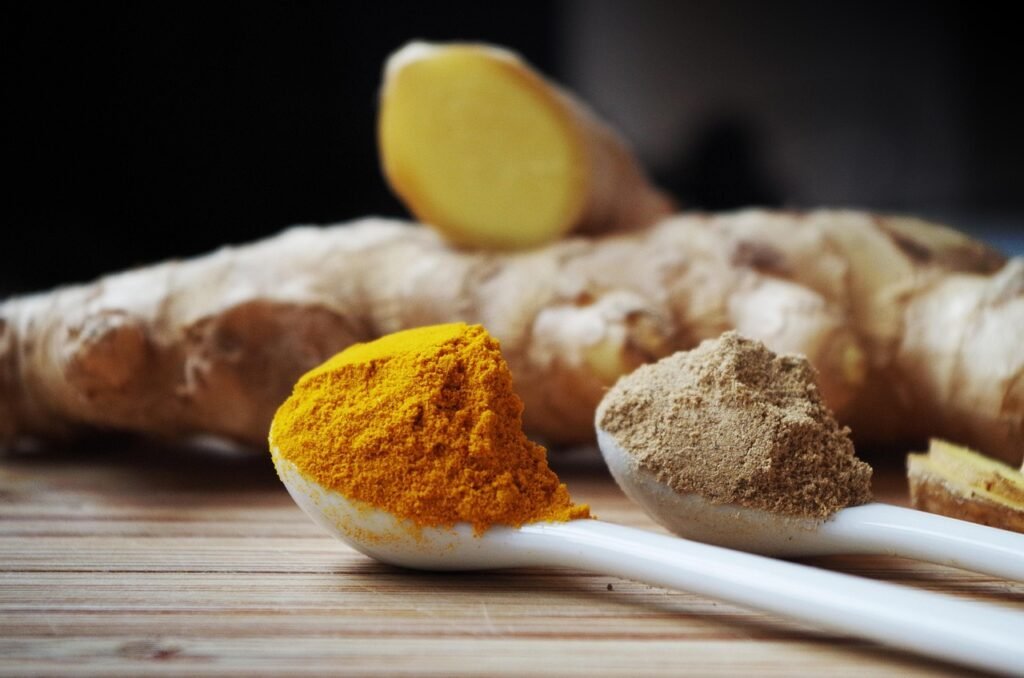
Fresh ginger should be stored in the refrigerator, ideally in a sealed bag with the air pressed out. It can last a few weeks. In contrast, the powdered ginger shelf life is significantly longer—up to two years if kept in an airtight container away from direct sunlight and heat. However, it loses potency over time. If your powder has no scent, it likely has no medicinal value.
Making Your Own
If you have an abundance of fresh root, you can make your own dried version. Slice the root thinly and dehydrate it until it snaps. These sun-dried ginger slices can be ground into powder or steeped directly in hot water. This is often fresher than store-bought spices.
For those interested in gardening, you can even grow your supply. Check out The Ultimate Guide to Ginger Plant Care at Home (note: this link is illustrative of internal content strategy).
Dosage and Safety
While generally safe, consuming excessive amounts of ginger can cause side effects. Dried ginger side effects may include heartburn, diarrhoea, and mouth irritation if taken in large doses (more than 4 grams per day). Because dried ginger is concentrated, it is easier to accidentally consume too much compared to fresh root.
According to the NHS, ginger supplements and high doses should be discussed with a GP, especially if you are on blood-thinning medication like warfarin.
Comparing Efficacy for Specific Conditions
Menstrual Pain (Dysmenorrhea)
Both forms are effective, but dried ginger capsules are frequently used in clinical studies due to dosage precision. Research from PubMed indicates that ginger powder can be as effective as ibuprofen for relieving menstrual pain.
Joint Pain
For chronic pain, the spicy kick of dried ginger indicates the presence of shogaols, which target inflammation pathways. You might also consider topical applications. For example, The Skin Benefits of Using Natural Ginger Soap explores external uses, while Blue Ginger: Identification and Health Benefits looks at related species with similar properties.
Digestion
If you have a heavy meal, a cup of tea made with dried ginger helps. For a more palatable daily regimen, consider How to Make Ginger Juice for Better Digestion using fresh root, or try The Nutritional Benefits of Pickled Ginger as a side dish.
If you have a sweet tooth, Candied Ginger: Sweet Treat or Health Remedy? discusses a sugar-coated alternative that bridges the gap between snack and medicine.
Frequently Asked Questions
Can I use ginger seasoning alternatives?
Yes, if you lack ginger, allspice, cardamom, or nutmeg can mimic the warmth, though they lack the specific bite of ginger.
Is dried ginger better for tea?
It depends on the goal. For a stomach soothing remedies approach to deep nausea, dried is excellent. For a refreshing lift, fresh is better. You can read more in Soothing Your Stomach with Ginger Root Tea.
Does dried ginger lose nutrients?
It loses vitamins (like Vitamin C) that are heat-sensitive, but it gains in polyphenol concentration (shogaols). The Harvard T.H. Chan School of Public Health notes that drying preserves the spice’s ability to act as a digestive aid.
The Bottom Line
So, Dried Ginger vs Fresh: Which is Better for You?
The answer depends entirely on your health goals and culinary needs.
Choose Fresh Ginger if:
- You want to boost your immune system against viruses.
- You are cooking stir-fries, curries, or fresh juices.
- You prefer a citrusy, zesty flavour.
- You are treating mild nausea, such as pregnancy morning sickness.
Choose Dried Ginger if:
- You are seeking potent anti-inflammatory relief for joints.
- You need to stimulate a sluggish digestion or metabolism.
- You are baking sweet treats like biscuits.
- You need a long shelf-life solution for your pantry.
Ultimately, keeping both forms in your kitchen ensures you have access to the full spectrum of benefits this incredible rhizome offers. From the fresh ginger root nutrition that supports immunity to the concentrated power of dried powder for pain, ginger remains one of nature’s most versatile healers.
For more distinct ways to utilise ginger, you might also be interested in A Guide to Using Ginger Oil for Aromatherapy. Always listen to your body and consult with a healthcare professional before using high doses of dried ginger for medicinal purposes.