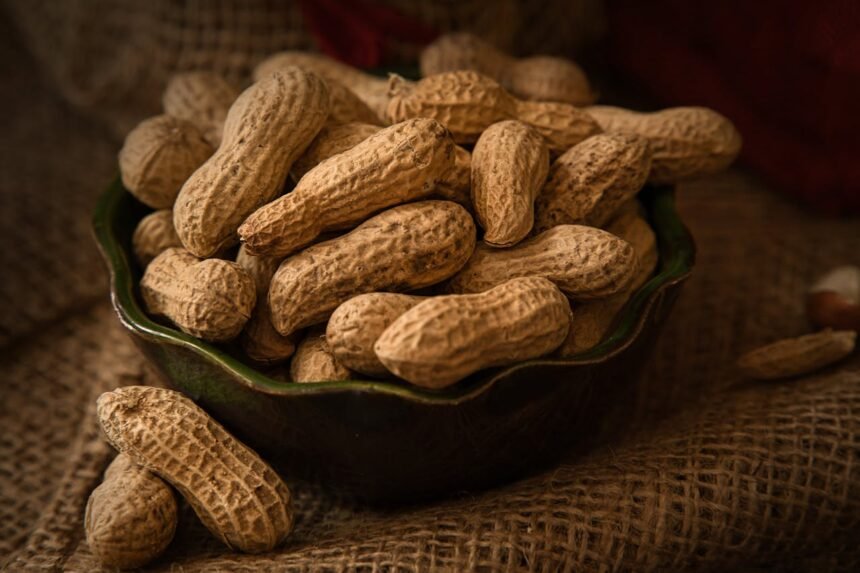
When hunger strikes between meals, reaching for a savoury snack is a common habit. While crisps and biscuits often tempt us, dry roasted peanuts offer a scientifically backed, heart-healthy alternative that doesn’t compromise on flavour.
Despite their reputation as a simple pub snack, peanuts are nutritionally dense legumes that masquerade as nuts. The method of preparation matters significantly. Dry roasting involves heating the peanuts without the addition of extra oils, preserving their natural nutrient profile while enhancing their crunch.
Whether you are looking to manage cholesterol, boost your protein intake, or simply find a satisfying bite, understanding the benefits of this humble legume is essential. This article explores the nutritional powerhouse that is the dry roasted peanut, its benefits for heart health, and how to incorporate it into a balanced diet.
Overview: What Are Dry Roasted Peanuts?
Peanuts (Arachis hypogaea) grow underground, unlike tree nuts such as almonds or walnuts. While they can be boiled or eaten raw, roasting brings out a richer aroma and deeper flavour.
To understand the specific health value, we must look at the dry roasting process explained simply: heat is applied to the peanut via dry air, rather than submerging the nut in hot oil. This ensures that the fat content remains primarily intrinsic to the nut itself, rather than being inflated by processing oils.
This method preserves the structural integrity of the peanut while initiating the Maillard reaction—a chemical reaction between amino acids and reducing sugars that gives roasted food its distinctive flavour. For those exploring specific varieties, Spanish Peanuts: Small Size, Big Flavour and High Oil Content are often favoured for roasting due to their higher oil content, which essentially allows them to self-baste during the dry heat process.
Nutritional Profile: More Than Just Calories
Many people hesitate to consume nuts due to caloric density. However, the calories in dry roasted peanuts (approximately 160-170 kcal per 28g serving) come packaged with essential nutrients that support metabolic health.
A standard serving provides a robust amount of plant-based protein, healthy fats, and fibre. For those following low-carb diets, peanuts are one of the most accessible keto friendly nuts UK supermarkets stock.
Key Nutrients Breakdown
- Healthy Fats: The majority of fat in peanuts is monounsaturated and polyunsaturated fat. These are healthy fats for cholesterol management, helping to reduce LDL (bad) cholesterol levels.
- Protein: Peanuts contain more protein per gram than most tree nuts, making them excellent plant-based protein snacks for vegans and vegetarians.
- Micronutrients: They are rich in B vitamins, particularly niacin, folate, and vitamin E.
- Minerals: They serve as vital magnesium rich foods, a mineral crucial for over 300 enzymatic reactions in the body.
For a deeper dive into antioxidant-rich varieties often used in roasting, you might read about Red Skin Peanuts: Antioxidant Benefits and Culinary Uses, which highlight the benefits of keeping the skin on.
Heart Health: The Core Benefit
Cardiovascular disease remains a leading health concern globally. Integrating dry roasted peanuts into your diet can be a proactive measure for heart health.
Cholesterol and Blood Pressure
The lipid profile of peanuts is similar to olive oil. According to the British Heart Foundation, replacing saturated fats with unsaturated fats is a key strategy for heart health. The high levels of monounsaturated fats in peanuts help clear the arteries.
Furthermore, the arginine content in peanuts plays a significant role. Arginine is an amino acid that converts into nitric oxide, a compound that relaxes blood vessels and improves blood flow. This vasodilatory effect is essential for maintaining healthy blood pressure.
Inflammation and Oxidative Stress
Chronic inflammation is a risk factor for heart disease. Peanuts contain bioactive compounds like resveratrol—the same antioxidant found in red wine. The concentration of resveratrol in peanut skins is particularly high, offering protection against oxidative stress.
Interestingly, some ancient varieties, such as those discussed in Jungle Peanuts: Exploring the Wild Ancestor of Modern Legumes, have been consumed for millennia specifically for their nutrient density.
Dietary Management: Weight and Diabetes
It may seem counterintuitive that a high-fat food helps with weight control, yet science suggests otherwise.
Satiety and Weight Control
One of the biggest hurdles in weight management is hunger. The combination of protein, fibre, and fat in dry roasted peanuts promotes satiety and weight management. A handful can curb appetite longer than a high-carbohydrate snack like a rice cake.
Research highlighted by Harvard Health Publishing indicates that regular nut eaters tend to be leaner than those who avoid nuts. If you are looking for alternative low-carb options, consider how Roasted Peanut Flour: Gluten-Free Baking and Nutritional Gains can be used in cooking to boost protein without excessive calories.
Blood Sugar Regulation
For those managing Type 2 diabetes, the glycaemic index of peanuts is very low (around 13). This means they do not cause rapid spikes in blood sugar.
Snacking for diabetics requires careful selection of foods that provide slow-burning energy. Peanuts fit this requirement perfectly. The American Diabetes Association lists nuts as a “superfood” for diabetes management due to their fibre and magnesium content.
If you are interested in growing your own supply to ensure zero additives, our guide on Growing Your Own: Best Practices for Organic Peanut Seeds offers great insight for home gardeners.
Potential Drawbacks and Considerations
While beneficial, dry roasted peanuts are not without potential downsides, primarily depending on how they are manufactured and individual health profiles.
Sodium Content
Commercially available dry roasted peanuts are often heavily seasoned. Reducing sodium intake is crucial for those with hypertension. The “dry roasted” flavouring powder often contains MSG, flour (making them non-gluten-free), and significant salt.
To maximise health gains, look specifically for unsalted dry roasted peanuts benefits. These provide the crunch without the blood-pressure-spiking sodium. Alternatively, if you are sourcing raw ingredients to roast yourself, check Where to Buy Green Peanuts Bulk for Traditional Recipes to control exactly what goes onto your snack.
Allergies
Peanut allergies are among the most severe. It is vital to recognise legume allergy symptoms, which can range from mild itching to anaphylaxis. If you or a family member has a known allergy, strict avoidance is necessary. The NHS provides comprehensive guidance on managing these allergies.
Aflatoxins
Poor storage of peanuts can lead to mould growth producing aflatoxins. However, commercial roasting and strict regulation in the UK and EU effectively minimise this risk. Proper storage at home is also key.
Tips for Incorporating Dry Roasted Peanuts
Transitioning to healthier snacking doesn’t have to be boring. Here are practical ways to include this superfood in your routine.
- Check the Label: Always read the ingredient list. The best dry roasted peanuts list only “peanuts” or “peanuts, salt”. Avoid packs with long lists of stabilisers or flavour enhancers.
- Portion Control: Because they are energy-dense, stick to a 30g serving (a small handful).
- Mix It Up: Combine dry roasted peanuts with dried fruit for a balanced trail mix. For a sweeter profile, you might prefer A Guide to Valencia Peanuts: Sweetness and Nutrition Profile.
- DIY Roasting: Buy raw peanuts and roast them in your oven at 180°C for 15-20 minutes. You can even use the by-products; learn more in Peanut Shell Compost: Turning Waste into Nutrient-Rich Soil.
- Alternative Forms: If you struggle with whole nuts, consider Peanut Sprouts: The New Superfood You Should Try or even oil pressing, as described in A Beginner Guide to Peanut Oil Pressing at Home.
The Bottom Line
Dry roasted peanuts are far more than a bar snack. They are a complex source of niacin for heart health, plant protein, and healthy fats. When chosen correctly—preferably unsalted and free from excessive additives—they serve as a powerful tool for maintaining cardiovascular health and managing weight.
By understanding the distinction between oil-roasted and dry-roasted, and being mindful of sodium levels, you can enjoy the satisfying crunch of peanuts knowing you are fuelling your body with quality nutrition.
For more information on nutritional standards, resources like the USDA FoodData Central and Mayo Clinic offer extensive databases and advice on heart-healthy diets. Additionally, the National Peanut Board provides excellent resources on sustainability and nutrition, while Medical News Today frequently updates on the latest legume research. For those balancing macros, Healthline’s nutrition database is an invaluable tool.