
In recent years, the conversation surrounding childhood nutrition has shifted significantly. While vitamins and minerals remain vital, there is a growing focus on the ‘forgotten organ’: the gut. The inclusion of fermented foods for children in daily diets is becoming a cornerstone of modern paediatric nutrition advice. But what exactly are these foods, and why are they so crucial for your little one’s development?
Fermentation is an ancient preservation method that not only extends the shelf life of food but also enhances its nutritional profile. For parents in the UK, navigating the supermarket aisles for the best probiotics for kids can be overwhelming. This guide aims to demystify the science and provide practical, easy steps to improve your child’s wellbeing.
Why Are Fermented Foods Beneficial for Children?
The human gut is home to trillions of bacteria, collectively known as the microbiome. A diverse and robust microbiome is essential for overall health. Introducing gut health foods for children early on can set the stage for a lifetime of wellness.
The Gut-Brain Axis
Did you know that the gut is often referred to as the ‘second brain’? Research suggests a strong link between gut health and mental wellbeing, known as the gut-brain axis. A balanced microbiome can positively influence your child’s mood and behaviour. Including healthy gut bacteria for child development in their diet may help regulate emotions and support cognitive function. For more on this connection, Harvard Health offers excellent insights.
Boosting the Immune System
Approximately 70% of the immune system resides in the gut. Beneficial bacteria found in fermented foods train the immune system to distinguish between friend and foe. This is particularly important for school-aged children exposed to various bugs. Regular consumption of immune system booster foods for kids, such as kefir or live yoghurt, can help ward off common colds and infections.
Enhanced Nutrient Absorption
Fermentation predigests complex proteins and starches, making nutrients more bioavailable. For example, the fermentation process in sourdough bread benefits for children by breaking down phytates, which can otherwise inhibit the absorption of minerals like iron and zinc.
Top Fermented Foods to Introduce
Not all fermented foods are created equal. Here are some of the best options to start with:
1. Live Yoghurt
Perhaps the most accessible option, yoghurt is a fantastic starter food. However, not all yoghurts contain live cultures. Look for ‘bio’ or ‘live’ on the label to ensure it contains probiotic yoghurt for babies and children. Greek yoghurt is often higher in protein and lower in sugar.
2. Kefir
Is kefir safe for toddlers? Absolutely. This fermented milk drink is similar to yoghurt but has a thinner consistency and contains a much wider variety of bacteria and yeasts. It is a powerhouse of probiotics and can be easily hidden in smoothies.
3. Sauerkraut
Fermented cabbage might sound like a hard sell, but introducing sauerkraut to babies can be surprisingly successful if done early. It is rich in fibre, Vitamin C, and Vitamin K. Start with just a teaspoon of the brine before moving on to the solid vegetable.
4. Miso
A traditional Japanese seasoning produced by fermenting soybeans with salt and kojikin (a fungus). Miso soup for toddlers is a comforting, nutrient-dense meal. It is rich in essential minerals and provides a savoury ‘umami’ flavour that many children love.
5. Cheese
Certain aged, raw cheeses like Cheddar, Gouda, and Parmesan contain beneficial microbes. Raw cheese benefits for kids include high calcium and protein content, alongside gut-friendly bacteria. Ensure the cheese is suitable for your child’s age and pasteurisation requirements if they are very young.
Safety First: What Parents Need to Know
While beneficial, there are precautions to consider when introducing these foods.
Sodium Content Warning
Fermentation often requires salt. Foods like sauerkraut, pickles, and miso can be high in sodium. Be mindful of portion sizes, especially for babies under 12 months whose kidneys are still developing. Use these foods as a condiment rather than a main course.
The Kombucha Caution
Parents often ask about homemade fermented drinks for kids. While water kefir is generally safe, kombucha can contain trace amounts of alcohol and caffeine. The NHS and other health bodies generally advise caution with unpasteurised drinks for very young children due to the risk of bacterial contamination.
Recognising Gut Issues
If you notice signs of poor gut health in child behaviour, such as chronic constipation, diarrhoea, or bloating, consult a GP. While fermented foods help, they should be part of a broader treatment plan.
How to Introduce Fermented Foods to Picky Eaters
If you have fermented foods for picky eaters, the key is stealth and slow introduction.
Smoothies:** Blend kefir with bananas and berries to mask the sour taste. This creates delicious *probiotic rich snacks for school lunchboxes.
* Dips: Mix plain live yoghurt with herbs to make a dip for cucumber or carrot sticks.
* Soup Swirls: Stir a teaspoon of miso paste into warm (not boiling) soup just before serving to preserve the bacteria.
* Sandwiches: Use sourdough bread instead of standard white sliced bread.
The ‘Sprinkle’ Method:** Finely chop a small amount of *fermented vegetables recipe for kids (like carrots or pickles) and mix them into tuna mayo or scrambled eggs.
DIY vs Store-Bought: Making the Right Choice
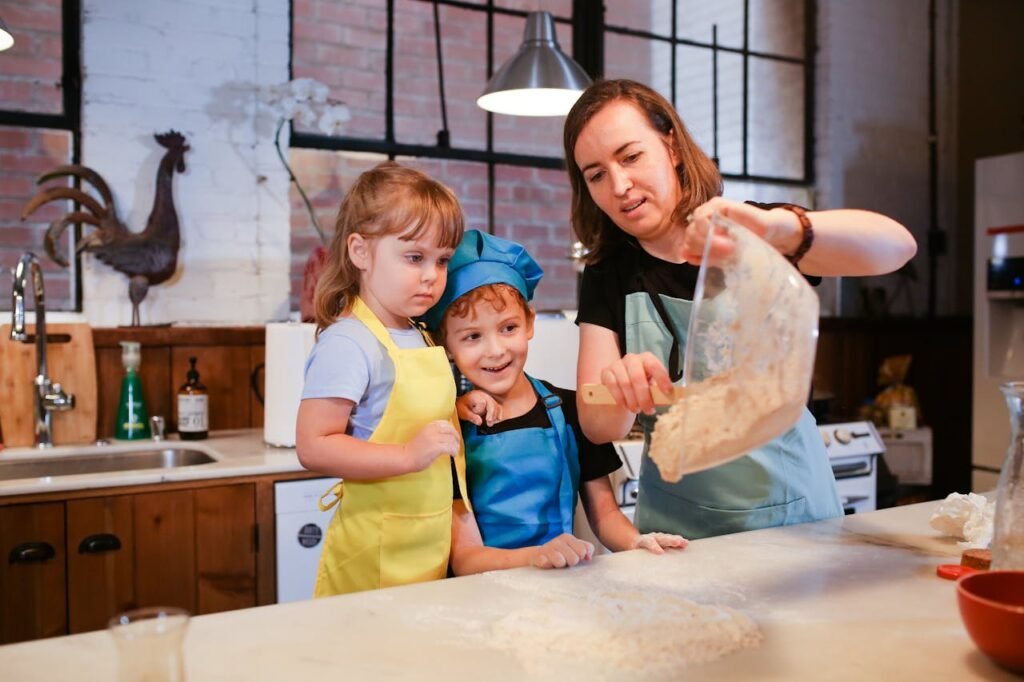
Making your own fermented foods can be a fun science experiment to do with your children. A simple fermented vegetables recipe for kids involves massaging cabbage with salt and letting it sit in a jar for a few weeks. However, hygiene is paramount. If you are unsure, reputable store-bought brands are a safe and convenient alternative.
Check labels carefully; many supermarket pickles are pickled in vinegar (which offers no probiotic benefit) rather than fermented in brine. You want products found in the refrigerator section, not the ambient shelf.
> “Let food be thy medicine and medicine be thy food.” — Hippocrates
By incorporating these nutrient-dense foods into your family’s diet, you are building a foundation of health that extends far beyond the digestive tract. Start small, be consistent, and watch your child thrive.
For further reading on nutrition guidelines, visit the British Nutrition Foundation or the British Dietetic Association.
*
Frequently Asked Questions
1. At what age can I introduce fermented foods to my baby?
You can introduce small amounts of fermented foods like plain live yoghurt or a drop of sauerkraut brine from around 6 months, when solid foods are introduced. Always consult your health visitor if unsure.
2. How much fermented food should my child eat daily?
Start with a teaspoon to avoid digestive upset. Once accustomed, one to two small servings a day (e.g., a small cup of kefir or a dollop of yoghurt) is beneficial. Stanford Medicine highlights that regular consistency is more important than quantity.
3. Can fermented foods cause bloating in children?
Yes, suddenly increasing fibre and probiotics can cause temporary gas or bloating. This is why a slow introduction is recommended to allow the gut microbiome to adjust.
4. Is sourdough bread actually better for kids than regular bread?
Yes. The long fermentation process breaks down gluten and phytates, making it easier to digest and unlocking more nutrients. It also typically has a lower glycaemic index.
5. Are probiotic supplements better than fermented foods?
Generally, food is preferred because it provides a complex matrix of nutrients, fibre, and a diverse range of bacteria. Supplements (as discussed by WebMD) are useful for specific conditions (like after antibiotics) but shouldn’t replace a healthy diet.
External Resources:
* PubMed: Impact of Fermented Foods
* Cleveland Clinic: Gut Health
* HealthyChildren.org (AAP)
* BBC Good Food: Fermented Foods
* Mayo Clinic: Prebiotics and Probiotics
* National Institutes of Health (Microbiome)
* Parents.com: Gut Health Guide