Receiving a cancer diagnosis is a life-altering event that initiates a complex journey of medical appointments, treatments, and emotional adjustments. Amidst the chemotherapy sessions, radiation appointments, and surgical consultations, one aspect of care often remains under the patient’s control: their diet. Proper nourishment is not merely about suppressing hunger; it is a vital component of the therapeutic process.
Integrating effective nutrition tips during cancer treatment can profoundly impact how you feel, how your body responds to therapy, and how quickly you recover. However, the side effects of treatment—ranging from nausea to changes in taste—can make eating a challenge. This guide provides comprehensive, science-backed strategies to help you maintain your strength and resilience through the power of food.
The Critical Role of Nutrition in Oncology
Nutrition during cancer care goes beyond standard healthy eating guidelines. The body is in a state of high metabolic stress, working overtime to repair healthy cells damaged by treatment while fighting the malignancy. According to the American Cancer Society, good nutrition can help maintain body weight, keep up strength and energy, lower the risk of infection, and help you heal and recover faster.
When a patient is well-nourished, they are often better equipped to tolerate the side effects of treatment. Conversely, malnutrition can lead to treatment delays or dosage reductions, potentially impacting outcomes. Therefore, viewing food as fuel is the first psychological shift required in your journey.
Prioritizing Protein for Tissue Repair
Protein is the building block of life, essential for the growth, repair, and maintenance of body tissues. During treatment, your protein requirements often increase significantly. Chemotherapy and radiation destroy cancer cells, but they also damage healthy tissues. Protein provides the amino acids necessary to repair this collateral damage.
Experts at the Academy of Nutrition and Dietetics suggest incorporating lean proteins at every meal. Good sources include:
- Lean meats: Chicken, turkey, and fish.
- Plant-based options: Lentils, tofu, beans, and quinoa.
- Dairy and eggs: Greek yogurt, cottage cheese, and pasteurized eggs.
If solid food is unappealing, protein shakes or smoothies can be an efficient delivery system for these vital nutrients.
Managing Treatment-Related Side Effects
One of the biggest hurdles to implementing nutrition tips during cancer treatment is the physical reaction to the treatment itself. Here is how to navigate common obstacles:
1. Nausea and Vomiting
Nausea can debilitate a patient’s desire to eat. To combat this, avoid heavy, greasy, or spicy foods. Instead, focus on the “BRAT” diet (Bananas, Rice, Applesauce, Toast) during flare-ups. The Mayo Clinic recommends eating smaller, more frequent meals rather than three large ones, as an empty stomach can actually worsen nausea.
2. Dysgeusia (Taste Changes)
Many patients report that foods taste metallic or bitter, a condition known as dysgeusia. If meat tastes metallic, try marinating it in sweet or tart sauces like cranberry juice or lemon. Using plastic utensils instead of stainless steel can also reduce metallic sensations. Resources from Cancer Research UK suggest utilizing strong flavors like mint, lemon, or ginger to stimulate the palate if food tastes bland.
3. Mucositis and Sore Mouth
Radiation to the head and neck can cause painful sores in the mouth and throat. In these cases, texture and temperature are key. Avoid crunchy, acidic, or hot foods. Opt for soft, bland foods like mashed potatoes, scrambled eggs, or custards. The National Institute of Dental and Craniofacial Research emphasizes keeping the mouth moist and clean to prevent infection in these sensitive areas.

Quick Reference: Nutritional Strategies for Side Effects
The following table outlines specific dietary adjustments based on common treatment symptoms.
| Side Effect | Nutritional Strategy | Recommended Foods to Try | Foods to Avoid |
|---|---|---|---|
| Nausea | Eat small, cool/room temp meals; stay upright after eating. | Crackers, ginger tea, dry toast, plain broth. | Fried foods, strong-smelling cheeses, spicy curry. |
| Constipation | Increase fiber and fluid intake naturally. | Prunes, warm juices, high-fiber cereals, lentils. | Processed meats, cheese, white bread. |
| Diarrhea | Replace electrolytes; focus on soluble fiber. | Bananas, white rice, applesauce, potatoes (skinless). | High-fiber veggies, caffeine, alcohol, greasy food. |
| Dry Mouth | Use moisture-adding sauces; sip fluids constantly. | Soups, casseroles with gravy, popsicles, melon. | Dry toast, crackers, pretzels, thick peanut butter. |
| Fatigue | Prioritize easy-to-prepare, nutrient-dense foods. | Pre-cut fruits, peanut butter, yogurt, frozen meals. | Sugary snacks (cause crash), heavy meals. |
The Hydration Factor
Dehydration is a common yet dangerous complication of cancer treatment, often exacerbated by vomiting or diarrhea. Water plays a crucial role in flushing chemotherapy toxins out of the kidneys and liver. The American Society of Clinical Oncology (Cancer.Net) advises patients to carry a water bottle at all times and not to rely solely on thirst as an indicator of hydration needs.
If plain water is unpalatable due to taste changes, try infused water (cucumber, strawberry) or electrolyte-balanced beverages. However, be cautious with sugary sports drinks unless you specifically need the calories.
Food Safety: The Neutropenic Diet
Chemotherapy often leads to neutropenia, a condition characterized by a low white blood cell count, leaving patients highly susceptible to infection. Food safety becomes paramount. The U.S. Food and Drug Administration (FDA) outlines specific protocols to minimize risk:
- Wash everything: Scrub all raw fruits and vegetables thoroughly.
- Cook thoroughly: Ensure meat, poultry, and eggs are cooked to safe internal temperatures.
- Avoid raw: Steer clear of sushi, raw oysters, runny eggs, and unpasteurized juices or dairy.
While some institutions are moving away from strict “neutropenic diets” in favor of general safe food handling, vigilance remains critical.
Busting the “Sugar Feeds Cancer” Myth
A pervasive myth causes anxiety for many patients: the idea that eating sugar makes cancer grow faster. While it is true that all cells, including cancer cells, utilize glucose for energy, completely eliminating sugar does not starve the cancer and can lead to dangerous weight loss. The MD Anderson Cancer Center clarifies that while a diet high in added sugars contributes to obesity (a risk factor for cancer), eating a cookie will not directly accelerate tumor growth. The goal is balance—focusing on complex carbohydrates rather than simple sugars.
Plant-Based Focus and Antioxidants
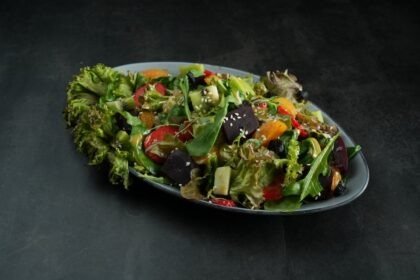
While undergoing treatment, a plant-forward diet is generally recommended. Vegetables and fruits are loaded with phytochemicals and antioxidants that support cellular health. The American Institute for Cancer Research highlights foods like broccoli, berries, and leafy greens for their protective properties.
However, there is a caveat: high-dose antioxidant supplements (like Vitamin C or E) might interfere with how radiation or chemotherapy works (which often relies on oxidation to kill cancer cells). Always consult your oncology team before adding concentrated supplements. It is generally safer to obtain these nutrients from whole foods.
Dealing with Weight Changes
While many worry about weight loss (cachexia), some treatments, particularly those involving steroids or hormonal therapies, can cause weight gain. The National Cancer Institute notes that managing weight is a delicate balance. Do not attempt strict weight-loss dieting during active treatment unless supervised. The priority is providing the body with the resources it needs to endure the therapy.
Conclusion: Your Personalized Nutrition Plan
Navigating nutrition tips during cancer treatment is not a one-size-fits-all endeavor. Your needs will fluctuate depending on your specific diagnosis, the type of treatment you are receiving, and how your body reacts. What works one week may not work the next.
Remember to offer yourself grace. There will be days when the only thing you can tolerate is a bowl of ice cream or a slice of toast, and that is okay. The goal is progress and maintenance, not perfection.
We strongly recommend consulting with a registered dietitian who holds a certification in oncology nutrition (CSO). They can tailor a plan specific to your medical profile. By fueling your body strategically, you are taking an active stance in your fight, empowering your body to heal, recover, and thrive.
Disclaimer: This article is for informational purposes only and does not constitute medical advice. Always consult your oncologist or medical team regarding your specific dietary needs.