Ginger is a spicy and warming addition to many dishes. It is also a fantastic plant to grow at home. While it is a tropical plant, you can successfully grow ginger in the UK with a little bit of care. It thrives indoors or in a greenhouse where it is warm.
Growing your own supply means you always have fresh roots on hand. The plant itself looks beautiful, with tall, green, grass-like leaves. It fits perfectly into an indoor garden collection. This guide will help you understand exactly how to plant, grow, and harvest your own ginger.
What Is the Ginger Plant?
Ginger (Zingiber officinale) is a flowering plant that originated in Southeast Asia. People have used it for thousands of years as both a spice and a medicine. The part we eat is the rhizome. This is the underground stem, often called the ginger root.
In its natural habitat, ginger grows in warm, humid forests. It enjoys filtered sunlight rather than harsh, direct sun. Understanding these origins helps us replicate the right conditions at home. For more on the history and botany of this plant, you can visit the Kew Gardens Zingiber officinale profile.
Selecting the Right Ginger Root to Plant
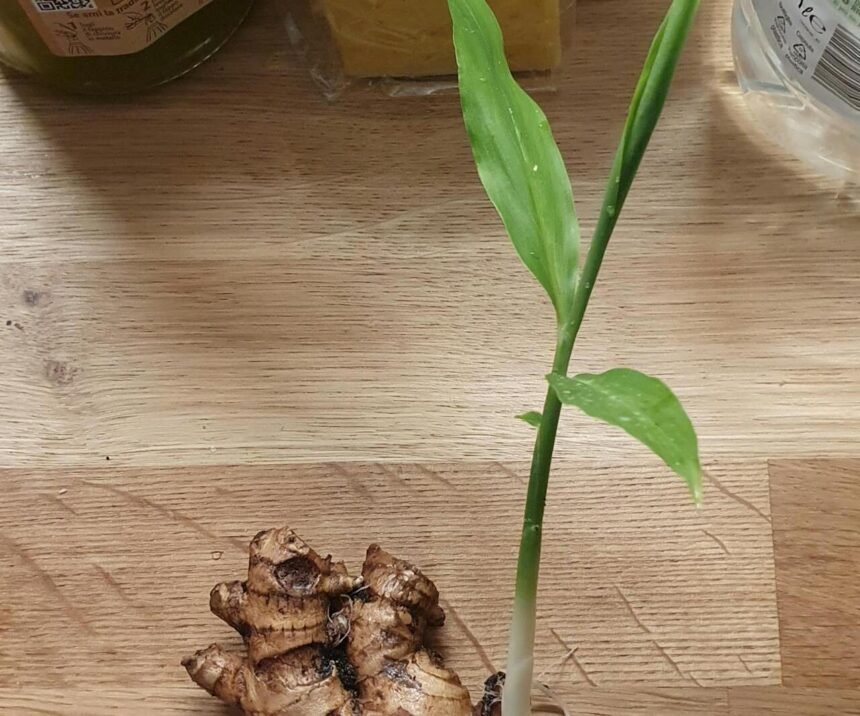
You do not need seeds to start growing ginger. You grow it from a piece of the root itself. You can buy these from garden centres or seed suppliers. However, many gardeners have success growing ginger from store bought root found in local supermarkets.
When choosing a piece of ginger to plant, look for these signs:
* Plump and Firm: Avoid any roots that look shrivelled or dry.
* Visible Eyes: Look for small bumps on the skin. These are the “eyes” or buds where new green shoots will grow.
* Smooth Skin: The skin should be thin and silky, not thick and woody.
If you buy from a supermarket, the ginger might be treated with a growth inhibitor. This stops it from sprouting in the shop. To fix this, soak the root in warm water overnight before planting. A proper ginger rhizome selection guide suggests picking pieces that are about 5 to 10 centimetres long with at least two or three eyes.
Best Time and Place to Plant Ginger
In the UK, timing is everything. Ginger is very sensitive to frost. If you plant it outside too early, the cold will kill it. The best time to start your ginger is in late winter or early spring, typically around February or March. You should start it indoors in a pot.
Indoor vs. Outdoor Growing
Because the UK summer is short and sometimes cool, growing ginger in pots uk style is the safest method. Pots allow you to move the plant. You can keep it on a warm windowsill in spring, move it to a sunny patio in summer, and bring it back inside before the autumn chill arrives.
If you have a greenhouse or a polytunnel, you can plant ginger directly into the ground there. For most home gardeners, however, container gardening gives the best results. Check out BBC Gardeners’ World for more advice on timing your planting.
Soil and Potting Requirements
Ginger has a shallow root system care requirement. This means the roots spread out horizontally rather than digging deep down. Therefore, a wide, shallow pot is better than a tall, narrow one. A pot that is at least 30 centimetres wide is ideal.
Creating the Perfect Soil Mix
The best soil for ginger plants is loose, rich, and well-draining. Heavy clay soil will hold too much water and cause the roots to rot. A good mix includes:
* High-quality potting compost.
* Perlite or vermiculite to improve airflow.
* Coconut coir to hold moisture without becoming soggy.
Aim for a soil pH that is slightly acidic to neutral (between 6.0 and 7.0). If you are unsure about your soil mix, resources like the RHS advice pages offer excellent tips on compost types.
Planting Depth
Correct ginger root planting depth is crucial. Fill your pot with soil, leaving about 5 centimetres at the top. Place your ginger root on the surface with the eyes facing upward. Cover it with just 2 to 3 centimetres of soil. Do not bury it too deep. The root needs to be close to the surface to sprout easily.
Water and Humidity Needs
Ginger comes from the tropics, so it loves moisture. However, there is a fine balance. The soil should be consistently moist but never waterlogged.
Watering Routine
Watering ginger plants correctly involves checking the soil daily. Stick your finger into the soil. If the top centimetre feels dry, give it a drink. During the hot summer months, you may need to water it every day. In cooler months, you can water less often. Always ensure your pot has drainage holes so excess water can escape.
Humidity Levels
Homes in the UK can be quite dry, especially with central heating on. Ginger plant humidity requirements are high. To keep your plant happy:
* Mist the leaves with water every few days.
* Place the pot on a tray filled with pebbles and water. As the water evaporates, it creates a humid microclimate around the plant.
* Group plants together to raise moisture levels in the air.
For more on managing moisture for indoor plants, the Royal Horticultural Society has useful guides.
Light and Temperature Conditions
Ginger likes warmth but not scorching heat. Ideally, the temperature should stay between 20°C and 30°C. If the temperature drops below 10°C, the plant will suffer.
Finding the Right Light
Direct, midday sun can burn the leaves. Ginger plant light needs are best met with bright, filtered light. A windowsill that gets morning sun and afternoon shade is perfect. If you are growing it outside in summer, place the pot in a spot that is sheltered from strong winds and intense afternoon sun.
Overwintering
As autumn approaches, temperatures will drop. Overwintering ginger plants is necessary in the UK. Bring your pots inside before the first frost. The leaves will eventually turn yellow and die back. This is normal. It means the plant is going dormant. You can find frost dates on the Met Office website to plan when to bring your plants in.

Feeding and Caring for Your Ginger
Ginger is a hungry plant. It uses a lot of energy to grow those thick, spicy roots. To get a good harvest, you need to feed it regularly during the growing season.
Fertiliser Choices
Start feeding your plant when you see the first green shoots. Use a liquid seaweed feed or a general-purpose vegetable fertiliser every two weeks. There are many organic ginger fertiliser options available. A balanced fertiliser with equal parts nitrogen, phosphorus, and potassium works well initially. Later in the season, a feed higher in potassium can help root development.
Always follow the instructions on the packet. Over-fertilising can burn the roots. For organic gardening principles, Garden Organic is a trusted UK source.
Mulching
Adding a layer of compost or leaf mould on top of the soil helps keeps moisture in. This is called mulching. It mimics the forest floor where ginger naturally grows. It also adds nutrients to the soil as it breaks down.
Troubleshooting Common Ginger Pests
Even indoors, ginger can face problems. Keeping an eye out for pests ensures your plant stays healthy.
Common Pests
Common ginger pests uk gardeners might encounter include:
* Spider Mites: Tiny red or brown dots on the underside of leaves. They thrive in dry air. Misting your plant helps prevent them.
* Aphids: Small green or black insects that suck sap from new shoots. You can wash them off with a gentle spray of water.
* Fungus Gnats: Small flies that hover around the soil. They love wet soil, so let the top surface dry out slightly between waterings.
Disease Prevention
Preventing ginger root rot is the most important health check. If the stalks turn yellow and mushy at the base, you are likely watering too much. Stop watering and let the soil dry out. If the rot is bad, you may need to dig up the plant and cut away the rotting parts.
For identifying plant diseases, the Which? Gardening site often has helpful identification charts.
Harvesting Your Home-Grown Ginger
The most exciting part of growing ginger is the harvest. You do not have to wait until the end of the season to enjoy it.
Green Ginger
About four months after planting, you can harvest “green ginger”. This is young, tender ginger with a mild flavour. You can gently dig into the soil at the edge of the pot and snap off a small piece of the rhizome. The plant will continue to grow.
Full Harvest
For the big harvest, wait until the leaves begin to yellow and dry out. This usually happens in late autumn. This is one of the clearest ginger harvest signs.
1. Stop watering the plant for a few weeks.
2. Tip the pot over and dump the soil onto a sheet or tray.
3. Pull the rhizomes out of the soil.
4. Cut off the old stems and wash the roots.
You can replant a few pieces of the fresh root to start the cycle again next year.
Storage
Fresh ginger keeps in the fridge for a few weeks. You can also freeze it or dry it to make ginger powder. If you are interested in different types, look into edible ginger varieties to see which ones suit your taste best. Some have a lemony flavour, while others are very spicy.
The Bottom Line
Growing ginger in the UK is a rewarding project. It requires patience and a warm spot, but the result is worth it. By following these indoor ginger growing tips, you can enjoy fresh, organic spice straight from your own home.
Remember to keep the soil moist, avoid direct sun, and protect the plant from cold drafts. Whether you use it for tea, stir-fries, or baking, home-grown ginger has a flavour that supermarket roots cannot match. With the right care, you can master acclimating ginger outdoors in summer and keeping it cosy indoors in winter.
For more information on the health benefits of ginger, you can read guidance from the NHS or nutrition resources like Healthline. Happy planting!