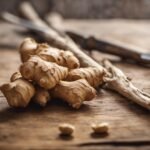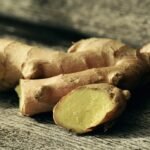
Ginger syrup is a versatile, fiery, and sweet reduction that captures the potent essence of the Zingiber officinale rhizome. While often associated with artisan cocktails and gourmet coffee shops, making this elixir at home is surprisingly simple and offers a host of culinary and health benefits.
Whether you are looking to soothe a settled stomach or add a spicy kick to your evening dessert, a homemade ginger syrup recipe is a staple every kitchen should possess. Beyond its flavour, ginger is revered in scientific communities for its bioactive compounds, primarily gingerol, which provides powerful anti-inflammatory and antioxidant effects.
In this article, we will explore the best methods for creating ginger syrup, its health implications, and how to incorporate it into your daily diet.
Overview
Ginger syrup serves as a concentrated delivery system for the spicy, warming flavour of fresh ginger. Unlike powdered ginger, the syrup maintains the volatile oils responsible for the root’s distinct aroma. It functions as a liquid sweetener infused with spice, making it easily soluble in cold drinks where granulated sugar might not dissolve.
For those interested in the raw material before processing, understanding how to select the best root is crucial. You can learn more about this in our guide on Fresh Ginger: Selection, Storage, and Health Uses.
The beauty of this preparation lies in its adaptability. You can adjust the ginger simple syrup ratio to control viscosity and sweetness, or alter the ingredients to create a sugar-free ginger syrup suitable for those monitoring their glycaemic index.
The Health Context: Why Use Ginger?
While this article focuses on recipes, it is impossible to ignore the therapeutic context. Ginger has been used for centuries to manage various ailments. The spicy ginger syrup benefits extend beyond taste; they delve into digestive health and immunity.
Digestive Aid and Nausea
One of the primary uses of ginger syrup for nausea is in the management of morning sickness or motion sickness. The concentrated gingerols can help accelerate gastric emptying, reducing the discomfort associated with a heavy stomach. If you prefer a hot beverage for digestion, you might also enjoy reading about Soothing Your Stomach with Ginger Root Tea.
Scientific literature supports these claims. According to the National Center for Complementary and Integrative Health (NCCIH), ginger may help relieve nausea and vomiting in various contexts, including pregnancy and chemotherapy.
Inflammation and Immunity
Ginger is a robust anti-inflammatory sweetener alternative when used in moderation. Chronic inflammation is a driver for many diseases, and incorporating ginger into your diet can be a proactive measure. While syrup contains sugar, the vehicle of delivery ensures you consume a significant amount of ginger extract. For a more direct approach to immunity without the sugar, consider checking Are Ginger Shots Actually Good for Your Immunity?.
The Sugar Consideration
It is important to remain mindful of sugar intake. The NHS recommends that free sugars – sugars added to food or drinks – should not make up more than 5% of the energy (calories) you get from food and drink each day. Therefore, while ginger syrup is delicious, it should be treated as a treat or flavour enhancer rather than a health supplement in isolation.
Preparation and Recipes
Creating the perfect syrup requires balancing heat, time, and surface area. Here are the most effective methods.
1. The Classic Ginger Simple Syrup
This method uses heat to extract the ginger flavour rapidly. It creates a stable syrup with a shelf life of several weeks.
Ingredients:
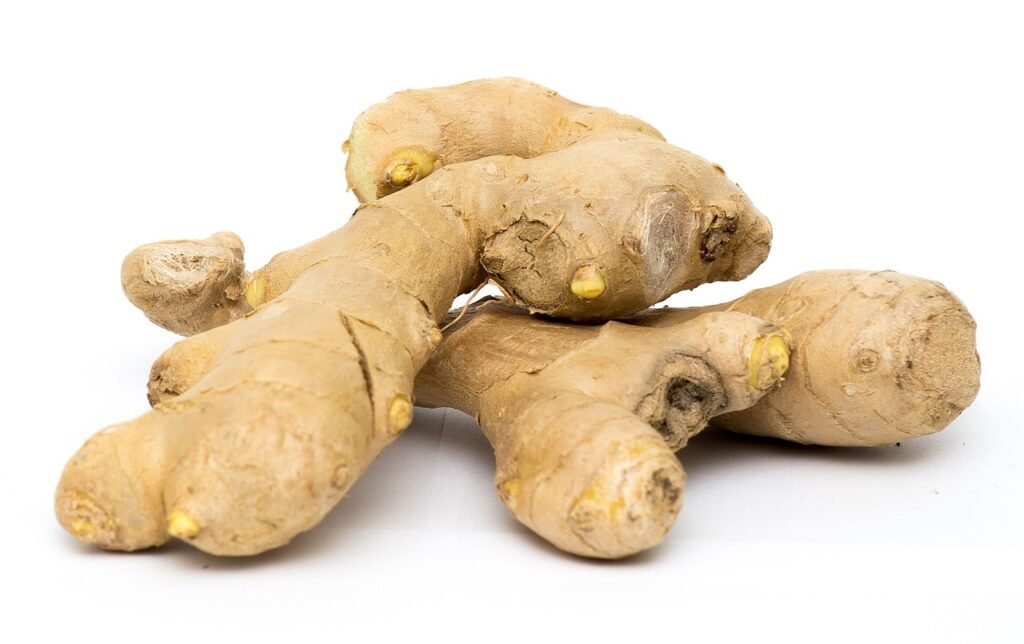
- 250g fresh ginger root (unpeeled is fine if organic, but washed thoroughly)
- 250ml water
- 200g granulated sugar (adjust for desired thickness)
Method:
- Slice the ginger thinly. There is no need to grate it, as slicing makes straining easier later. For a discussion on texture, see Dried Ginger vs Fresh: Which is Better for You?.
- Combine water, sugar, and ginger in a saucepan.
- Bring to a boil, then reduce heat to a low simmer.
- Simmer for 45 minutes to 1 hour. The liquid should reduce and thicken.
- Remove from heat and let it steep until cool. This steeping period is crucial for developing a spicy ginger syrup benefits profile.
- Strain through a fine-mesh sieve into a sterilised bottle.
2. Raw Honey Ginger Syrup (No-Boil Method)
For those wanting to preserve the raw enzymes of the ginger, a ginger syrup without boiling is ideal. This method relies on osmosis.
Ingredients:
- 250g fresh ginger, peeled and julienned
- 300ml raw honey
Method:
- Place the ginger in a sterilised jar.
- Pour honey over the ginger.
- Seal and let sit at room temperature for 3 days. The water from the ginger will be drawn out, thinning the honey into a syrup.
- This honey ginger syrup is excellent for sore throats and tea.
Using honey adds its own antimicrobial properties. The Mayo Clinic notes that honey acts as a cough suppressant and soothing agent, making this variation particularly good for cold season.
3. Variations and Flavour Twists
Once you have mastered the base, you can experiment:
- Lemon Ginger Syrup: Add the peel of two lemons to the simmering pot. This adds brightness and acidity, perfect for summer drinks.
- Blue Ginger Syrup: Utilise Galangal or blue ginger for a pine-like, sharper flavour. Learn more about this variety in Blue Ginger: Identification and Health Benefits.
- Vanilla Ginger: Add a split vanilla bean for a dessert-focused syrup.
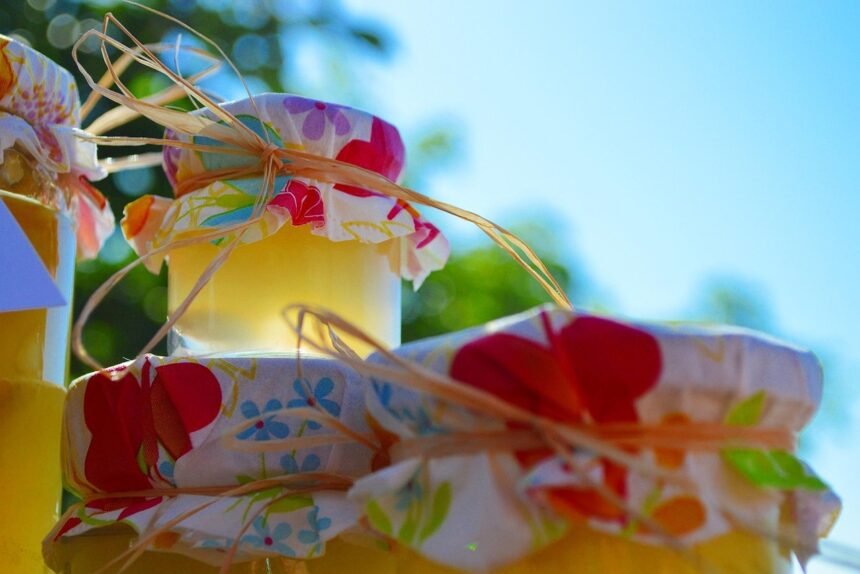
Culinary Applications
Now that you have your bottle of liquid gold, how should you use it? The versatility of ginger syrup spans from morning caffeine to evening cocktails.
Beverages and Hydration
Ginger syrup for coffee is a surprisingly delightful addition, particularly in lattes where it mimics the warming spices of chai. Simply add one tablespoon to your milk before frothing.
For those avoiding alcohol, ginger syrup is the king of mocktail ingredients. A splash of syrup, lime juice, and sparkling water creates a sophisticated drink that rivals any cocktail. If you are interested in more liquid ginger forms, read How to Make Ginger Juice for Better Digestion.
Of course, ginger syrup for cocktails is a classic application. It is the backbone of the Penicillin cocktail and adds depth to a Moscow Mule. According to Harvard T.H. Chan School of Public Health, choosing water or sparkling water with a splash of flavour (like ginger syrup) is a better hydration strategy than sugary sodas.
Desserts and Breakfast
The syrup can be drizzled over porridge, yoghurt, or vanilla ice cream. It pairs exceptionally well with poached pears or baked apples. If you are looking for other ways to integrate ginger into food, consider How to Use Ginger Paste in Your Daily Cooking.
Tips for Success and Safety
To ensure your syrup remains safe and delicious, follow these tips.
Storage and Shelf Life
The shelf life of homemade syrup depends on the sugar concentration. A standard 1:1 ratio (sugar to water) will last about a month in the fridge. A 2:1 ratio (rich syrup) can last up to six months. Always store in an airtight container.
Food safety is paramount. The U.S. Department of Agriculture (USDA) emphasises the importance of clean containers to prevent bacterial growth in homemade preserves.
Zero Waste Kitchen
After straining your syrup, do not throw away the ginger solids! There are many uses for leftover ginger pulp. You can dry them to make candied ginger, or blend them into chutneys. For a deep dive into sweet ginger treats, read Candied Ginger: Sweet Treat or Health Remedy?.
Safety with High Concentrations
While ginger is generally safe, very high concentrations found in extracts or heavy syrup consumption might cause heartburn in some individuals. This is similar to the considerations discussed in Understanding the Uses of Potent Ginger Extract. Furthermore, if you are growing your own supply, ensure you are using the correct species; see The Ultimate Guide to Ginger Plant Care at Home for advice.
Preserving Freshness
If you have an abundance of root, preserving fresh ginger in syrup is one of the most effective storage methods. It prevents the root from drying out and becoming fibrous. This is often superior to pickling if you prefer sweet applications. However, for savoury lovers, The Nutritional Benefits of Pickled Ginger might be more relevant.
The Bottom Line
Making ginger syrup at home is a low-effort, high-reward culinary project. It provides a control over ingredients that store-bought versions cannot match, allowing for sugar-free ginger syrup variations or complex flavour infusions like lemon ginger syrup.
By keeping a bottle in your fridge, you have an instant remedy for nausea, a ginger syrup for coffee flavour shot, and a sophisticated mixer for guests. Just remember that while ginger has profound health benefits—supported by institutions like the National Institutes of Health (NIH)—syrup is a source of added sugar and should be enjoyed as part of a balanced diet.
Whether you use it to glaze a cake or brighten a mocktail, ginger syrup is a testament to how traditional ingredients can be adapted for modern wellness and gastronomy.
Frequently Asked Questions
Can I use skin-on ginger?
Yes, as long as it is washed thoroughly. The skin adds earthy notes. However, for a clearer syrup, peeling is recommended.
Is it better than powdered ginger?
Fresh ginger syrup contains fresh volatile oils (gingerols) which convert to shogaols upon heating, offering a different but complementary health profile to dried ginger. For a skin-safe ginger application, you might also look into The Skin Benefits of Using Natural Ginger Soap.
Can I use this on my hair?
While sugar syrup is sticky and not recommended for direct hair application, ginger itself is stimulating. For hair care, refer to How a Ginger Scalp Mask Can Promote Hair Growth.
Enjoy the process of creating your own spicy, sweet elixir.