If you have ever browsed the aisles of a health food shop or scrolled through wellness blogs, you have likely encountered green coffee extract. Promoted as a miracle solution for shedding kilos, it has become a staple in the routines of those looking to optimise their metabolic health. But what exactly is it, and does the science support the hype?
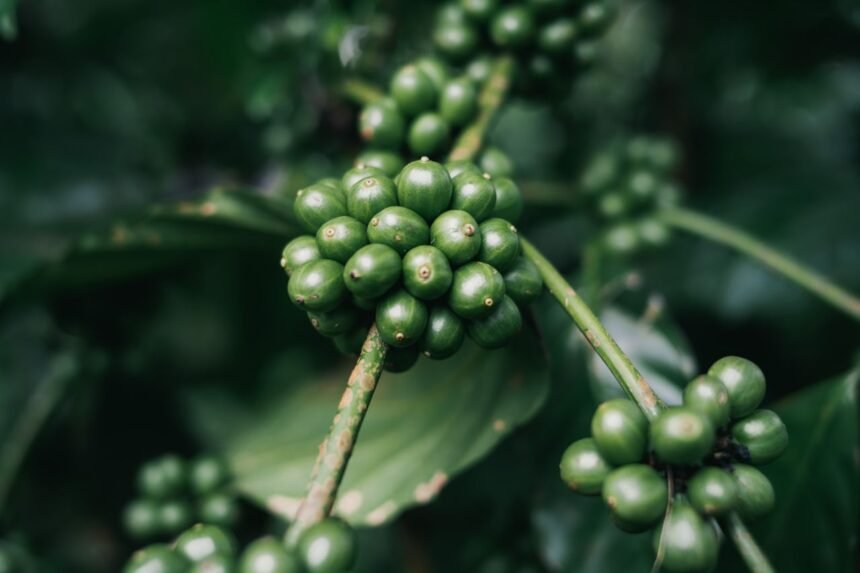
Unlike your morning cup of joe, green coffee extract is derived from unroasted coffee beans. These raw beans contain a high concentration of bioactive compounds that are typically lost during the roasting process. By keeping the beans in their natural state, we can harness specific nutrients that may assist with everything from heart health to weight management.
What is Green Coffee Extract?
Green coffee beans are simply regular coffee beans that haven’t been roasted. The roasting process involves high temperatures that change the bean’s chemical profile, aroma, and flavour. While roasting enhances the taste we love, it significantly reduces the levels of a compound called chlorogenic acid.
According to research published in Nature, chlorogenic acids are a group of antioxidant compounds that are believed to be responsible for most of the health benefits associated with green coffee. When these beans are soaked and concentrated into a dietary supplement, they provide a potent dose of these antioxidants without the bitter, roasted taste of traditional coffee.
The Science Behind the Magic: How It Works
The primary reason people turn to this extract is for its potential as a weight loss supplement. Scientists believe that chlorogenic acid works in a few key ways:
- Reduced Glucose Absorption: It may help lower the glucose absorption in the gut, which prevents sharp spikes in blood sugar and insulin levels.
- Enhanced Fat Metabolism: Some studies suggest it may improve the function of the fat-burning hormone adiponectin, aiding in fat metabolism.
- Boosted Thermogenesis: As a natural caffeine source, it can slightly increase thermogenesis, the process by which your body burns calories to produce heat.
Comparing Green Coffee vs. Roasted Coffee
While both come from the same plant, their nutritional profiles are quite different. Below is a comparison of how they stack up:
| Feature | Green Coffee Extract | Roasted Coffee |
|---|---|---|
| Chlorogenic Acid Content | Very High | Low (lost during roasting) |
| Caffeine Content | Moderate to High | High |
| Primary Use | Health & Weight Management | Energy & Flavour |
| Taste Profile | Mild, herbal, similar to green tea | Bold, nutty, bitter |
Health Benefits of Green Coffee Extract
Beyond weight management, this extract offers a variety of potential health perks. Many users report feeling more balanced energy levels throughout the day without the “jitters” often associated with heavy espresso consumption.
1. Blood Pressure Management
There is promising evidence that green coffee may assist in blood pressure management. A study cited by the Mayo Clinic suggests that chlorogenic acid can reduce blood pressure in those with mild hypertension by improving vessel elasticity.
2. Antioxidant Defence
Due to its high antioxidant properties, green coffee helps neutralise free radicals in the body. This helps protect your cells from oxidative stress, which is a major contributor to chronic diseases and ageing.
3. Managing Type 2 Diabetes Risk
By regulating blood sugar levels and improving insulin sensitivity, green coffee extract may help lower the type 2 diabetes risk. Organisations like Diabetes UK frequently highlight the importance of dietary choices in managing long-term glucose levels.
Potential Side Effects and Safety
As with any supplement, it is vital to understand the side effects of green coffee before adding it to your regimen. Because it contains caffeine, it may cause issues for those who are sensitive to stimulants. According to the NHS, excessive caffeine intake can lead to anxiety, insomnia, and increased heart rate.
Commonly reported side effects include:
- Stomach upset or nausea
- Increased heart rate
- Restlessness or difficulty sleeping
- Frequent urination
It is always recommended to consult with a healthcare professional before starting a new supplement, especially if you have pre-existing conditions or are pregnant. You can find more detailed safety data on the National Institutes of Health (NIH) website.
Dosage and How to Choose a Supplement
When shopping for a supplement, look for products that specify the chlorogenic acid content. A popular and well-researched version is Svetol, which is a specific type of green coffee extract often used in clinical trials. Most studies use dosages ranging from 120mg to 300mg taken daily.
For more information on evidence-based dosages, Examine.com provides an excellent breakdown of human clinical trials. Additionally, check for third-party testing to ensure the product is free from contaminants, a practice often encouraged by Harvard Health.
Recommended Reading and Resources
- Understand the role of caffeine via WebMD.
- Learn about heart health from the British Heart Foundation.
- Explore systematic reviews on Cochrane Library.
- Read about metabolic research in the Journal of Evidence-Based Integrative Medicine.
- Find nutritional guidelines at the British Nutrition Foundation.
- Review safety profiles at Medical News Today.
- Browse scientific literature on PubMed Central.
- Check out the latest on antioxidant research in Nutrients Journal.
Frequently Asked Questions (FAQs)
Is green coffee extract better than regular coffee?
It isn’t necessarily “better,” but it serves a different purpose. Regular coffee is great for a caffeine boost and flavour, while green coffee extract is higher in chlorogenic acids, which are the compounds linked to weight loss and improved metabolic health.
How long does it take to see results?
Most clinical studies observe changes over a period of 8 to 12 weeks. However, results vary significantly based on your diet, exercise routine, and individual metabolism. It should be used as a tool alongside a healthy lifestyle, not a replacement for it.
Can I drink green coffee as a beverage?
Yes, you can buy green coffee beans or ground powder to brew as a tea. It has a much milder, grassy taste compared to roasted coffee. However, supplements are often preferred because they provide a standardised, concentrated dose of the active ingredients.
The Bottom Line
Green coffee extract is a promising tool for those looking to support their metabolic health and weight loss goals. While it is not a “magic pill,” its high concentration of chlorogenic acid offers unique benefits that you simply won’t get from your standard morning latte. By combining this supplement with a balanced diet and regular physical activity, you may find it easier to reach your wellness milestones.