You are standing in the supermarket aisle, staring at the display of bananas. On one side, they are bright green, firm, and waxy. On the other, they are a vibrant yellow, perhaps even speckled with brown spots. Which one do you choose?
Most of us select our fruit based on taste and texture preference. You might prefer the sweet, creamy consistency of a fully ripe yellow banana, or perhaps you enjoy the firm, slightly bitter bite of a green one. However, the difference between these two stages of ripeness goes far beyond mere flavour profile.
From a nutritional standpoint, a green banana is almost a completely different fruit from a yellow one. The ripening process fundamentally alters the carbohydrate composition, impacting how your body digests the fruit and, crucially, how it affects your gut health.
Understanding these differences can help you make more informed choices, especially if you are looking to manage blood sugar levels or improve your digestive wellbeing.
This article explores the science behind the ripening process to determine which colour is truly superior for your gut.
Overview
Bananas are one of the most popular fruits worldwide, and for good reason. They are essentially a portable, natural energy bar packed with essential nutrients. regardless of their colour, bananas are an excellent source of potassium, vitamin B6, and vitamin C.
Potassium is vital for maintaining healthy blood pressure and proper heart function, while vitamin B6 supports brain health and metabolism. Furthermore, bananas are naturally free from fat and cholesterol, making them a heart-healthy addition to a balanced diet.
However, the macronutrient profile—specifically the ratio of starch to sugar—shifts dramatically as the banana matures. A standard medium-sized banana contains approximately 105 calories, consisting mostly of water and carbohydrates.
While the caloric content remains relatively stable throughout the ripening process, the type of carbohydrate changes. This transformation is what dictates the fruit’s impact on your digestion and energy levels. Whether you are an athlete needing quick energy or someone managing digestive issues, the colour of the banana skin serves as an important indicator of what is happening inside the fruit.
Symptoms and causes: The Science of Ripening
To understand the health differences, we must look at the “symptoms” of ripening—the physical changes you see—and the “causes” behind them, which are rooted in enzymatic chemistry.
The Characteristics of Green Bananas
When a banana is green, it is physiologically immature. At this stage, the fruit is comprised largely of starch—specifically, a type known as resistant starch. Resistant starch functions similarly to dietary fibre.
Because your small intestine cannot break down resistant starch, it passes intact into the large intestine. This leads to the characteristic firm texture and less sweet, sometimes chalky taste of green bananas. The high starch content is the primary cause of the fruit’s low glycaemic index (GI) score, meaning it causes a much slower rise in blood sugar.
The Transition to Yellow
As the banana ripens, it releases a gas called ethylene, which triggers the production of enzymes such as amylase. These enzymes break down the resistant starch into simple sugars: sucrose, glucose, and fructose.
This enzymatic breakdown is the cause of the banana softening and becoming sweeter. A fully yellow banana consists of significantly less starch and much higher sugar content—sometimes comprising more than 16% of the fresh weight.
Symptoms of Over-Ripening (Brown Spots)
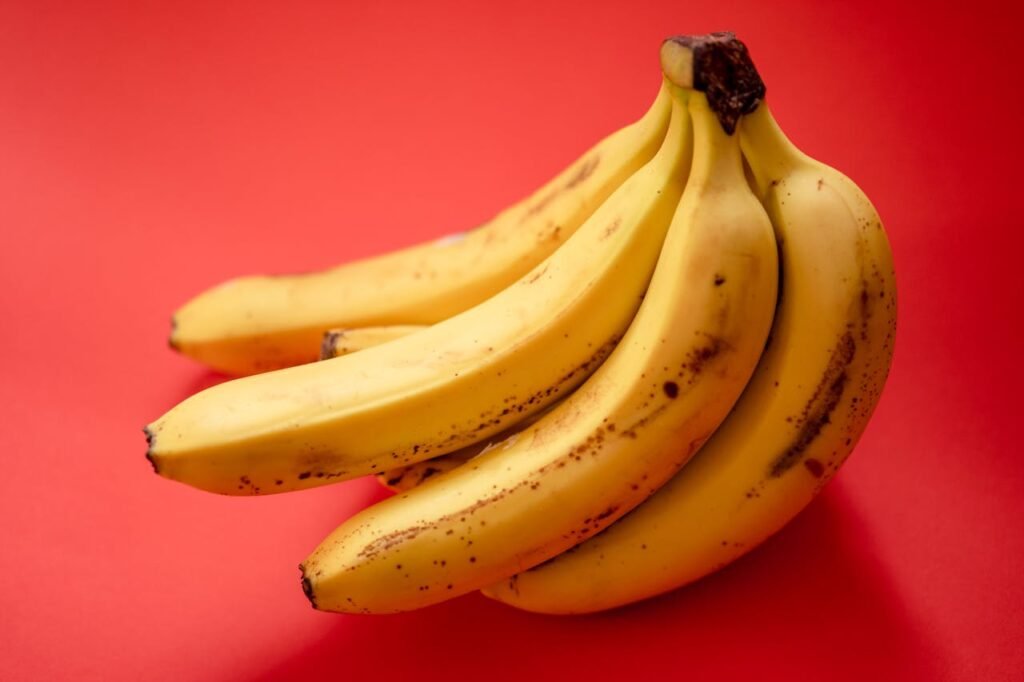
When brown spots (sugar spots) appear, it indicates that nearly all the starch has been converted to sugar. While this might sound negative for those watching their sugar intake, this stage also signals a peak in antioxidant levels. The breakdown of chlorophyll leads to an increase in antioxidants, which help protect your cells from oxidative stress.
Diagnosis and treatment: Choosing the Right Banana for Your Gut
When “diagnosing” which banana is best for your specific dietary needs, we must look at how these different carbohydrate profiles treat your digestive system.
Green Bananas: The Prebiotic Powerhouse
If your goal is optimal gut flora, green bananas are often the superior treatment. The resistant starch found in unripe bananas acts as a prebiotic. Prebiotics are non-digestible food ingredients that beneficially affect the host by selectively stimulating the growth or activity of one or a limited number of bacteria in the colon.
When resistant starch reaches your large intestine, beneficial bacteria ferment it. This process produces short-chain fatty acids (SCFAs), such as butyrate. Butyrate is critical for gut health; it fuels the cells lining your colon, reduces inflammation, and may even reduce the risk of colorectal cancer.
Furthermore, the slow digestion of green bananas promotes satiety. If you are diagnosing issues with appetite control or weight management, the high resistant starch content keeps you feeling fuller for longer.
Yellow Bananas: Ease of Digestion
Conversely, yellow bananas are the preferred “treatment” for those requiring quick energy or those with sensitive stomachs. Because the resistant starch has converted to simple sugar, yellow bananas are far easier to digest. This makes them a favourite among endurance athletes who need rapid fuel without digestive distress.
However, for individuals with irritable bowel syndrome (IBS), caution is required. While yellow bananas are generally well-tolerated, they can be higher in FODMAPs (fermentable carbohydrates) when over-ripe. Interestingly, green bananas are lower in FODMAPs and might be better tolerated by those on a restrictive low-FODMAP diet.
Nutritional Comparison Table
The following table summarises the key differences to help you decide:
| Feature | Green Unripe Bananas | Yellow Ripe Bananas |
|---|---|---|
| Primary Carb | Resistant Starch | Simple Sugars (Glucose, Fructose) |
| Taste | Bitter, unsweet | Sweet, creamy |
| Texture | Firm, waxy | Soft, mushy |
| Digestibility | Harder (ferments in colon) | Easy (absorbed quickly) |
| GI Score | Low (30-40) | Moderate (50-60) |
| Gut Benefit | High Prebiotic effect | Moderate Prebiotic effect |
| Antioxidants | Lower | Higher |
Tips for management
Managing your intake of green vs. yellow bananas depends on your lifestyle and health goals. Here are practical ways to incorporate both into your diet effectively.
Incorporating Green Bananas
Green bananas can be difficult to eat raw due to their texture and bitterness. To manage this:
- Boil them: In the Caribbean, green bananas are often boiled and treated like a savoury vegetable, similar to potatoes.
- Use flour: Green banana flour is an excellent gluten-free alternative available in health stores. It retains the resistant starch benefits and can be added to smoothies or baking.
- Blend them: Add a peeled green banana to a high-powered blender with berries and almond milk to mask the bitter taste while reaping the prebiotic benefits.
Maximising Yellow Bananas
Yellow bananas are versatile, but portion control is key due to the higher sugar content.
- Pre-workout snack: Eat a yellow banana 30 minutes before exercise for a readily available energy spike.
- Natural sweetener: Use over-ripe, spotted bananas to sweeten oatmeal or pancakes naturally, reducing the need for added refined sugars.
- Pair with fats: To stabilise the blood sugar spike from a ripe banana, pair it with healthy fats like nut butter or yoghurt. This slows down the absorption of sugar.
It is also worth noting that you can freeze bananas at any stage of ripeness. If your green bananas are turning yellow too fast, peel and freeze them to lock in their current nutritional profile for future smoothies.
Frequently Asked Questions
Can eating green bananas cause stomach pain?
Yes, for some people. Because green bananas are high in resistant starch, consuming them in large quantities can cause bloating, gas, and discomfort, especially if your body is not used to a high-fibre diet. It is best to introduce them gradually.
Do yellow bananas have more calories than green ones?
No. The calorie count remains roughly the same throughout the ripening process. The main change is the conversion of starch into sugar. However, the impact of those calories on your blood sugar differs, with yellow bananas causing a faster rise in insulin.
Which banana is better for diabetics?
Green or slightly yellow bananas are generally better for people with diabetes. They have a lower glycaemic index (GI), meaning they cause a slower, more manageable rise in blood glucose levels compared to fully ripe, brown-spotted bananas.
Are the brown spots on bananas bad for you?
Not at all. The brown spots indicate that the starch has fully converted to sugar. While the texture may be mushy, spotted bananas contain high levels of antioxidants and are easier to digest. They are also known to produce Tumour Necrosis Factor (TNF), a substance that fights abnormal cells, though more research is needed in humans to fully understand this effect.
The bottom line
Both green and yellow bananas are a nutritional powerhouse and can form part of a healthy diet. The choice ultimately depends on your specific health goals.
If you are looking to improve your gut health, feed your microbiome, and manage blood sugar levels, green bananas are the superior choice due to their high resistant starch content. They function as a potent prebiotic that supports digestive wellness.
On the other hand, if you require quick energy for exercise or have trouble digesting high-fibre foods, yellow bananas are the better option. Their antioxidants and potassium levels make them an excellent snack for recovery and heart health.
Most people can benefit from including a mix of both in their diet. Simply follow the The Eatwell Guide and ensure you are consuming a variety of fruits and vegetables every day.