Constipation is an incredibly common digestive issue that can leave you feeling sluggish, bloated, and generally uncomfortable. While it is often a temporary annoyance, persistent irregularity can significantly impact your daily quality of life.
Most people will experience this condition at some point, and it is usually defined by the NHS as passing stools less than three times a week. When you do go, the stool may be hard, dry, or difficult to pass. Although many turn to over-the-counter laxatives for quick relief, dietary changes are often the most sustainable and effective long-term solution.
Enter the guava. This tropical fruit, known scientifically as Psidium guajava, is not only delicious but also a nutritional powerhouse. In recent years, it has gained a reputation as a natural remedy for various digestive complaints. Its high fibre content, combined with essential vitamins, makes it a superior choice for those looking to improve their gut health naturally.
In this article, we explore the science behind using guava for constipation, how to incorporate it into your diet safely, and why it might just be the natural solution you have been searching for.
Why is Guava Beneficial for Constipation?
To understand why guava is so effective, we must look at its nutritional profile. The primary driver of bowel regularity is dietary fibre, and guava is exceptionally rich in this nutrient. In fact, a single medium-sized guava can provide about 12% of your recommended daily fibre intake.
Dietary fibre works by adding bulk to your stool and softening it, which makes it easier to pass through the intestines. According to Healthline, increasing your fibre intake is one of the first lines of defence against irregularity. Guava provides a dual-action benefit through two types of fibre:
- Insoluble Fibre: This type does not dissolve in water. It adds bulk to the stool and helps food pass more quickly through the stomach and intestines. The seeds and skin of the guava are particularly rich in insoluble fibre.
- Soluble Fibre: Found in the pulp, this absorbs water to form a gel-like substance. It helps soften the stool, ensuring that bowel movements are smooth and less painful.
Furthermore, guavas are rich in water. Hydration is critical for digestion because fibre needs water to work effectively. Without adequate fluid, increasing fibre can actually worsen constipation. The high water content in ripe guava helps ensure the fibre does its job correctly.
The Mechanisms: How Guava Moves Things Along
Beyond simple fibre content, guava possesses specific properties that aid the digestive system. These mechanisms work in harmony to promote what doctors call ‘peristalsis’—the wave-like muscle contractions that move food through the digestive tract.
1. The Role of Seeds
Many people choose to scoop out the seeds, but if you are suffering from constipation, you might want to keep them. Guava seeds act as excellent natural laxatives. When chewed or swallowed whole, they serve as roughage that scrubs the intestinal walls and stimulates bowel movements. However, it is vital to chew them well to avoid any potential blockage if you have a sensitive stomach.
2. Vitamin C and Digestion
Guava is one of the richest sources of vitamin C, containing four times more than an orange. While primarily known for immunity, WebMD notes that high doses of vitamin C can have a mild osmotic effect, pulling water into the intestines and helping to soften stools.
3. Antimicrobial Properties
Imbalances in gut bacteria can sometimes lead to poor digestion. Guava leaves and extracts have been shown to have antimicrobial properties. Research highlighted by the National Institutes of Health (NIH) suggests that guava leaf extract can help neutralise harmful microbes in the gut without damaging the beneficial bacteria, creating a healthier environment for digestion.
Actionable Ways to Eat Guava for Relief
To maximise the benefits of guava for constipation, how you eat it matters. Here are the best ways to include it in your daily routine.
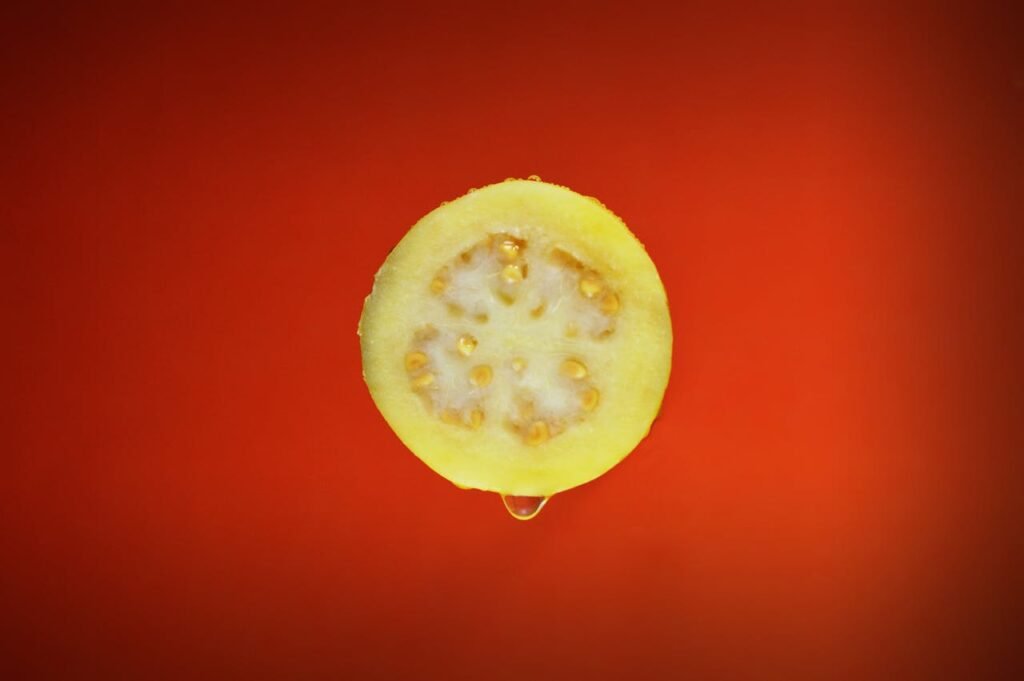
Eat it Raw with the Skin
The skin of the guava contains higher concentrations of vitamin C and fibre than the flesh alone.
- Wash thoroughly: Ensure the fruit is clean.
- Slice it up: Cut it into wedges, skin and all.
- Seasoning: In many tropical cultures, guava is eaten with a pinch of salt and chilli powder, which can also stimulate digestion.
Choose Ripe over Unripe
This is a critical distinction. You must prioritise ripe guavas.
- Ripe Guava: Soft to the touch and sweet. These are high in soluble fibre and pectin, which aids elimination.
- Unripe Guava: Hard and green. These are high in tannins. Tannins are compounds that can bind proteins and dry out the digestive tract. Eating too many unripe guavas can actually cause constipation rather than relieve it.
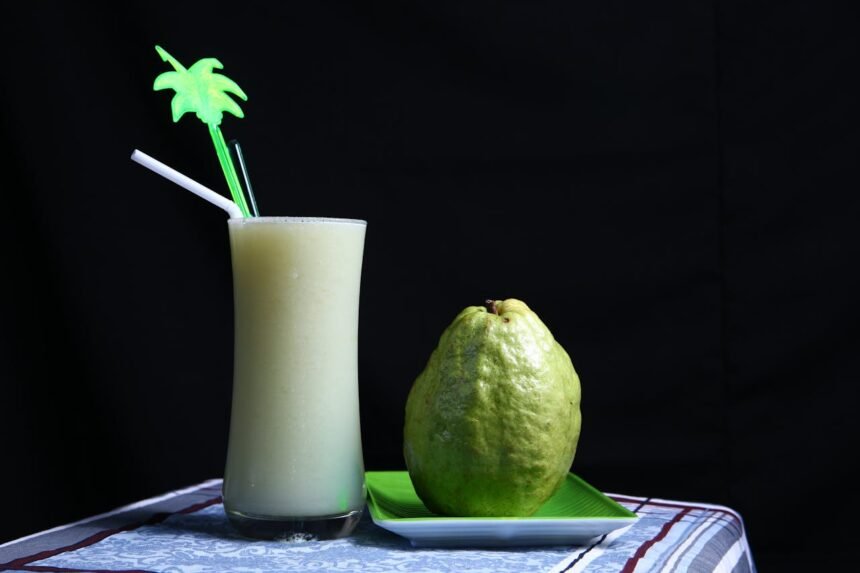
Guava Smoothies
Blending the fruit helps break down the fibres, making them easier to digest while retaining the bulk needed for regularity. Combining guava with other high-fibre foods creates a potent digestive aid.
Recipe Idea:
- 1 ripe guava (seeded if preferred)
- 1 small banana
- 150ml almond milk
- 1 tbsp chia seeds
Nutritional Comparison: Guava vs. Common Fruits
To illustrate why guava is a superior choice for fibre intake, we have compared it to other common fruits often recommended for digestion. The data below highlights the fibre density per 100g serving.
| Fruit (100g Raw) | Dietary Fibre (g) | Vitamin C (mg) | Sugar (g) | Key Benefit for Digestion |
|---|---|---|---|---|
| Guava | 5.4g | 228mg | 8.9g | High roughage seeds & pectin |
| Apple (with skin) | 2.4g | 4.6mg | 10.4g | Contains pectin (soluble fibre) |
| Banana | 2.6g | 8.7mg | 12.2g | Rich in potassium |
| Orange | 2.4g | 53.2mg | 9.3g | High hydration |
| Kiwi | 3.0g | 92.7mg | 9.0g | Contains actinidin enzyme |
As shown, guava provides more than double the fibre of apples or oranges, making it a highly efficient choice for those struggling to meet the guidelines set by the British Nutrition Foundation, which recommends 30g of fibre per day for adults.
Potential Risks and Considerations
While guava is natural, increasing your intake dramatically can have side effects. It is important to listen to your body.
- Fibre Overload: If your body is not used to a high-fibre diet, eating too many guavas suddenly can lead to gas, bloating, and stomach cramps. The British Dietetic Association suggests increasing fibre intake gradually to allow your gut to adjust.
- Hydration is Mandatory: As mentioned, fibre requires water. If you eat guavas but do not drink enough fluids, the fibre can harden in the gut, leading to a blockage. Aim for at least 6-8 glasses of water daily, as recommended by GOV.UK guidelines.
- Sugar Content: While natural, guavas do contain fructose. Those with diabetes or fructose malabsorption should monitor their portion sizes. Information from Diabetes UK indicates that while fruit is healthy, portions should be spread throughout the day.
Frequently Asked Questions
Can guava seeds cause appendicitis?
It is a common myth that fruit seeds cause appendicitis. While extremely rare cases exist, the vast majority of people can digest or pass seeds without issue. If you have diverticulitis, however, you may wish to consult your GP before eating the seeds.
Is guava juice as effective as the fruit?
Generally, no. Juicing often removes the insoluble fibre (the skin and seeds) which is crucial for laxative effects. Whole fruit is always superior. BBC Good Food highlights that smoothies are better than juices as they retain the pulp.
How many guavas should I eat a day for constipation?
One to two medium-sized ripe guavas per day are sufficient for most people. This provides a significant fibre boost without overloading your system.
Can I drink guava tea for constipation?
Yes. Guava leaf tea is traditionally used to support digestive health. While it is more commonly cited for treating diarrhoea due to its antimicrobial properties, it can help regulate overall gut flora.
The Bottom Line
Guava is an exceptional natural remedy for constipation relief. Its high concentration of dietary fibre, combined with the natural roughage of its seeds and the softening power of vitamin C, makes it a powerful ally for digestive health.
However, it is not a magic cure. For the best results, you must consume ripe guavas, chew the seeds carefully, and—most importantly—drink plenty of water. A holistic approach that includes regular exercise, such as that recommended by the Mayo Clinic, alongside dietary changes, is the most effective way to stay regular.
If your constipation persists despite dietary changes, or if you experience severe pain, it is essential to seek professional medical advice. Incorporating this superfruit into a balanced diet can be a delicious step towards a healthier, happier gut.