Ever felt like your stomach has a mind of its own? Well, strictly speaking, it actually does! If you’ve been feeling sluggish, bloated, or just generally “off,” the secret to getting your groove back might be hiding in your digestive tract. Welcome to the world of the microbiome—a bustling metropolis of bacteria living inside you that dictates everything from your digestion to your mood.
Navigating nutrition can feel overwhelming, but improving your digestion doesn’t have to be rocket science. In this guide, we are going to explore the best gut health foods for beginners, demystify the science behind the “gut-brain connection,” and give you a practical roadmap to eating your way to a happier tummy.
Why Your Gut Microbiome Matters
Your gut is often referred to as your “second brain.” This isn’t just a poetic metaphor; it’s biological fact. The enteric nervous system lines your gastrointestinal tract and communicates back and forth with your actual brain. This explains why you get “butterflies” when you’re nervous or a stomach ache when you’re stressed.
According to the National Institutes of Health (NIH), the human body contains trillions of microorganisms. When this ecosystem is balanced, your immune system is strong, your energy is stable, and your digestion is smooth. When it’s out of whack (a state called dysbiosis), it can lead to issues ranging from IBS to chronic fatigue.
The Dynamic Duo: Probiotics and Prebiotics
Before we dive into the grocery list, we need to clarify two buzzwords you’ll see everywhere: Probiotics and Prebiotics. Think of your gut as a garden.
- Probiotics are the seeds (the actual live beneficial bacteria).
- Prebiotics are the fertilizer (the fiber that feeds those bacteria).
To cultivate a lush, healthy garden, you need both. The Mayo Clinic emphasizes that while supplements exist, getting these nutrients from whole foods is often more effective for the general population.
The Top Gut Health Foods for Beginners
Ready to go shopping? Here are the heavy hitters that should be in your cart. We’ve broken them down into categories to make it easier to digest (pun intended).
1. Fermented Superstars (The Probiotics)
Fermentation is an ancient preservation technique that naturally creates probiotics. These are arguably the most critical gut health foods for beginners to introduce.
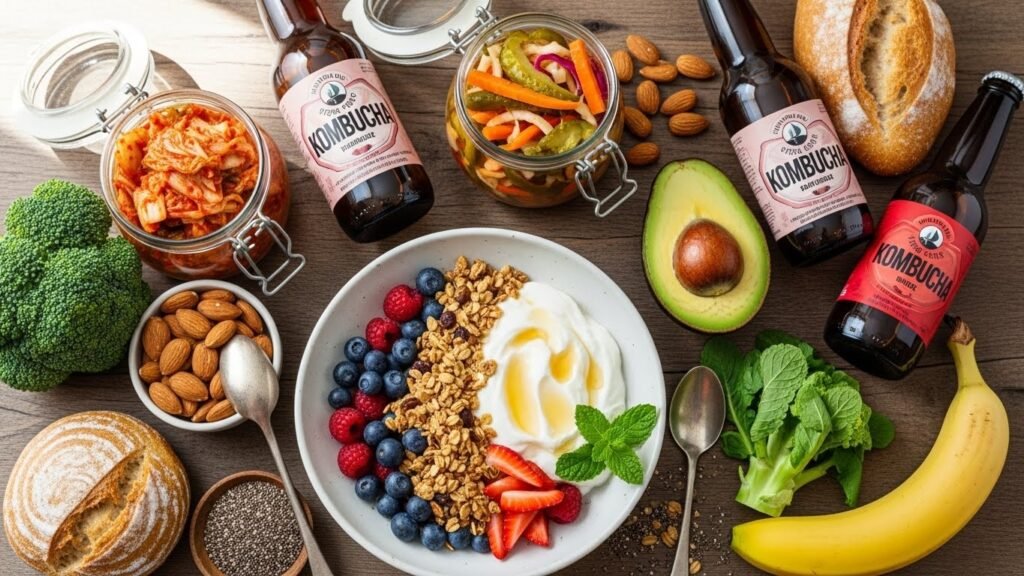
- Yogurt: The classic choice. Look for labels that say “live and active cultures.” Avoid the sugar-laden flavored versions; sugar loves to feed the bad bacteria. Greek yogurt is particularly good due to its high protein content.
- Kefir: Think of this as drinkable yogurt on steroids. It typically contains a wider variety of bacterial strains than standard yogurt.
- Sauerkraut and Kimchi: These fermented cabbage dishes are powerhouses. Cleveland Clinic experts note that fermented vegetables can significantly improve diversity in the gut microbiome. Pro-tip: Buy these in the refrigerated section, not the shelf-stable jars, to ensure the bacteria are still alive.
- Kombucha: A fizzy, fermented tea. It’s a great soda alternative, though beginners should watch the sugar content.
2. Fiber-Rich Fuel (The Prebiotics)
You can eat all the yogurt in the world, but if you starve the bacteria, they won’t survive. Prebiotic fiber is non-digestible to you, but a feast for your microbes.
- Garlic and Onions: These kitchen staples are rich in inulin, a type of prebiotic fiber that boosts the immune system.
- Bananas: Specifically, slightly green bananas. They contain resistant starch which functions like a prebiotic.
- Whole Grains: Oats and barley are excellent sources of beta-glucan. The Harvard T.H. Chan School of Public Health highlights that a diet high in whole grain fiber lowers the risk of developing various chronic diseases.
- Asparagus: A fantastic source of prebiotic fiber that also helps reduce bloating due to its natural diuretic properties.
3. Polyphenol Powerhouses
Polyphenols are plant compounds that digestion can’t fully break down. They make their way to the colon where they become food for healthy microbes.
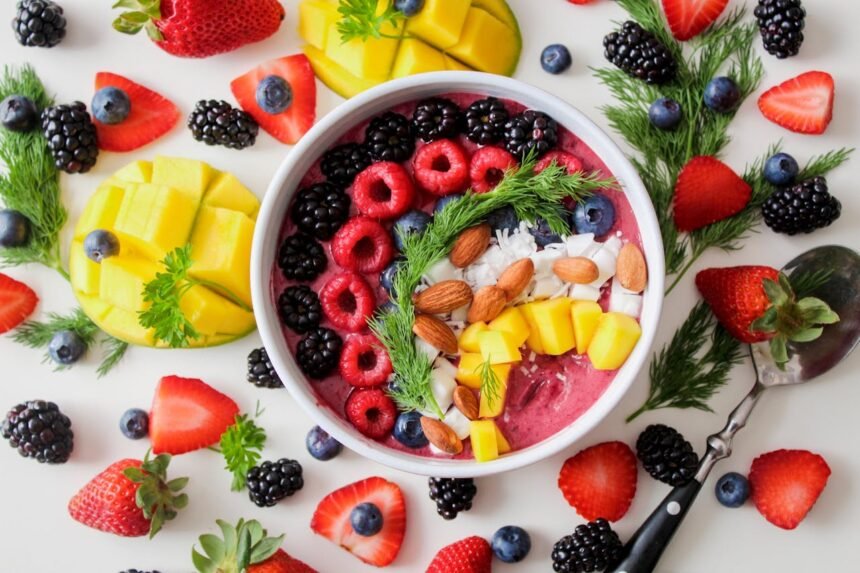
- Berries: Blueberries, raspberries, and blackberries are loaded with antioxidants and polyphenols.
- Dark Chocolate: Yes, you read that right! Chocolate with at least 70% cocoa content can encourage the growth of beneficial gut bacteria. (Moderation is key, of course).
- Green Tea: Sipping on green tea provides a steady stream of polyphenols to the gut.
4. Healing Foods
Sometimes the gut lining itself needs repair, especially if you have been eating a highly processed diet.
- Bone Broth: Rich in collagen and amino acids like glutamine, bone broth helps to “seal” the gut lining. Medical News Today reports that the gelatin in bone broth binds to water in the digestive tract, which helps foods move through your gut more easily.
- Ginger: Known for calming the stomach and speeding up digestion (gastric emptying).
Quick Comparison: Building Your Plate
To make this actionable, here is a quick reference table to help you balance your intake.
| Food Category | Primary Role | Top Beginner Examples | Best Time to Eat |
|---|---|---|---|
| Probiotics | Introduces good bacteria | Greek Yogurt, Kefir, Sauerkraut | Breakfast or Snack |
| Prebiotics | Feeds the good bacteria | Oats, Bananas, Garlic, Apples | With any meal |
| Polyphenols | Reduces inflammation & feeds bacteria | Blueberries, 70%+ Dark Chocolate, Spinach | Dessert or Side Dish |
| Anti-Inflammatory | Soothes the gut lining | Bone Broth, Ginger, Turmeric | Dinner or Before Bed |
What to Avoid: The Gut Destroyers
Adding good foods is only half the battle. You also need to limit the things that cause havoc in your microbiome. If you are serious about gut health, try to minimize:
- Artificial Sweeteners: Some studies suggest sweeteners like aspartame and sucralose can negatively alter gut flora.
- Ultra-Processed Foods: Emulsifiers and preservatives found in boxed snacks can degrade the mucous lining of the gut.
- Excessive Alcohol: Alcohol can increase intestinal permeability (often called “leaky gut”).
- Unnecessary Antibiotics: While sometimes life-saving, antibiotics act like a forest fire, wiping out both good and bad bacteria. The Centers for Disease Control and Prevention (CDC) advises using antibiotics only when prescribed and strictly as directed.
Lifestyle Factors: It’s Not Just About Food
Believe it or not, you can eat the perfect diet and still have gut issues if your lifestyle is stressful. The gut-brain axis works both ways.
Stress Management
Chronic stress puts your body in “fight or flight” mode, which shuts down digestion. This can lead to an overgrowth of bad bacteria. According to the American Psychological Association (APA), stress can affect how quickly food moves through the body, which can cause either diarrhea or constipation.
Sleep
Your microbiome has its own circadian rhythm. If you don’t sleep, your gut bugs get jet-lagged. The Sleep Foundation notes that a diverse microbiome is associated with better sleep efficiency, while poor sleep can negatively impact gut diversity.
A Simple “Happy Tummy” Day for Beginners
Unsure how to put this all together? Here is a simple meal plan to get you started.
- Breakfast: Oatmeal (Prebiotic) topped with sliced bananas (Prebiotic) and a dollop of Greek yogurt (Probiotic).
- Lunch: Grilled chicken salad with spinach, onions, and a vinaigrette made with apple cider vinegar.
- Snack: A handful of almonds and a square of dark chocolate (Polyphenols).
- Dinner: Stir-fry with ginger, garlic, asparagus, and lean protein over brown rice.
Conclusion: Start Small
Transforming your health doesn’t happen overnight. In fact, if you introduce too many fiber-rich gut health foods for beginners all at once, you might actually experience more bloating initially. The key is to go slow. Start by adding one serving of fermented food and one serving of prebiotic fiber to your daily routine this week.
Your gut is the engine of your health. Fuel it with premium ingredients, and it will reward you with better energy, a clearer mind, and a happier life. Ready to take the first step? Head to the grocery store and pick up that tub of yogurt—your tummy will thank you!
Disclaimer: This guide is for informational purposes only. If you have chronic digestive issues, please consult a gastroenterologist or a registered dietitian.