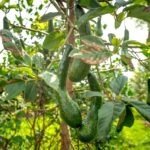
Hass Avocado Tree Growth Rate: What to Expect Each Year
Growing your own avocados is a rewarding, albeit patient, endeavour. The Hass avocado (Persea americana 'Hass') is arguably the most famous variety globally, prized for its creamy texture and pebbly skin that turns from green to purplish-black when ripe.
However, many gardeners are unprepared for the specific timeline required for these trees to mature. Unlike vegetable crops that offer instant gratification, a fruit tree is a long-term biological investment.
Understanding the hass avocado tree growth rate is essential for managing your expectations and ensuring you provide the correct care at every developmental stage. Whether you are planting a sapling from a nursery or attempting to grow from a pit (which takes significantly longer), knowing the milestones helps you troubleshoot issues before they become permanent.
This article explores the year-by-year lifecycle of the Hass avocado tree, factors that inhibit its speed, and scientific management strategies to ensure a healthy harvest.
Overview
The Hass avocado is a cultivar that originated in California but is now grown in warm climates worldwide. It is distinct because of its flowering pattern (Type A) and its specific environmental needs.
Generally, a grafted Hass avocado tree purchased from a nursery will begin to produce a small amount of fruit within 3 to 4 years. If you are growing from a seed, the timeline extends significantly, often taking 5 to 13 years to bear fruit, with no guarantee the fruit will resemble the parent.
Under optimal conditions, a Hass tree can grow roughly 0.6 to 0.9 metres (2 to 3 feet) per year. Mature trees can eventually reach heights of 9 to 12 metres (30 to 40 feet) if left unpruned, though most commercial and home growers keep them shorter for easier harvesting.
The hass avocado tree growth rate is not linear; it accelerates during the juvenile years and plateaus as the tree diverts energy from vertical growth to fruit production.
Symptoms of Stunted Growth and Causes
If your tree is not meeting the expected height benchmarks or foliage density, it may be suffering from environmental stress or disease. In the context of botany, "symptoms" refer to visible signs that the tree's growth rate is compromised.
Symptoms to Watch For
- Yellowing Leaves (Chlorosis): Often indicates a nutrient deficiency, specifically nitrogen or iron, or waterlogged soil.
- Leaf Burn: Brown, crispy tips on leaves usually signal salt accumulation in the soil or inadequate watering (shallow roots).
- Stagnant Height: If the tree has not put on new vegetative flush in a growing season, the root system is likely compromised.
- Drooping Foliage: Persistent wilting, even when soil is moist, is a hallmark of root rot.
Causes of Slow Growth
1. Phytophthora Root Rot
This is the most common cause of avocado tree failure. Phytophthora cinnamomi is a soil-borne water mould that destroys the feeder roots. Without these roots, the tree cannot uptake water or nutrients, effectively halting the hass avocado tree growth rate.
2. Heavy Clay Soil
Avocados require exceptional drainage. In heavy clay soils common in parts of the UK and Europe, water sits around the roots, suffocating them. If the soil does not drain, the tree will not grow.
3. Temperature Stress
Hass avocados are subtropical. They stop growing when temperatures drop below 10°C (50°F). Frost can kill young trees outright, while prolonged cold snaps will stunt growth for the following season.
4. Transplant Shock
Moving a tree from a container to the ground can disturb the sensitive root ball. If the roots are handled roughly, the tree may enter a period of dormancy where no growth occurs for months.
Treatment and Management
To maximise the hass avocado tree growth rate, you must adopt a proactive management plan. This involves replicating the tree's natural environment as closely as possible.
Year 1-2: Establishment Phase
During the first two years, do not expect fruit. The goal is survival and root establishment.
- Watering: Young trees have small root systems and need frequent, light watering. Ensure the soil remains moist but never soggy.
- Sun Protection: The bark of young avocado trees is thin and susceptible to sunburn. Paint the trunk with white latex paint (diluted 50:50 with water) or use a tree guard.
- Support: Stake the tree loosely to support the main leader against wind, but allow some movement to strengthen the trunk.
Year 3-4: The Transitional Phase
Vegetative growth is rapid here. You may see the first flowers.
- Fertilisation: Increase nitrogen input. A balanced citrus and avocado feed is ideal. Apply small amounts frequently rather than one large dose.
- Pruning: Remove suckers (growth from the rootstock below the graft). Pinch back the tips of aggressive branches to encourage lateral growth, making the tree bushier rather than lanky.
- Fruit Management: If the tree sets fruit in Year 3, it is often wise to remove them. Producing fruit requires immense energy. Removing them forces the tree to channel that energy back into growing a stronger canopy.
Year 5+: Maturity and Production
By year five, the tree should be structurally sound and capable of bearing a significant crop.
- Canopy Management: Prune to keep the tree at a manageable height. Remove dead wood and branches that cross over each other to allow light and airflow into the centre of the tree.
- Mulching: This is critical. Avocados evolved feeding on leaf litter. Apply a thick layer (10-15 cm) of coarse organic mulch (wood chips) under the canopy, keeping it away from the trunk base. This mimics the forest floor, retains moisture, and suppresses weeds.
Tips for Success
1. Mound Planting
If you have poor drainage, plant your avocado tree on a mound of soil raised 0.3 to 0.5 metres above the ground level. This ensures the feeder roots stay above the water table.
2. Cross-Pollination
While Hass is self-fertile, the hass avocado tree growth rate regarding fruit yield improves significantly if planted near a Type B variety (like Fuerte or Zutano). This increases pollination success.
3. Zinc matters
Avocados are notoriously hungry for Zinc. If leaves appear mottled or small (rossetting), apply a zinc foliar spray or soil drench.
4. Patience with Harvest
Hass avocados do not ripen on the tree. They can hang on the branch for months after reaching maturity. This effectively uses the tree as a pantry. However, leaving fruit on too long can deplete the tree’s carbohydrate reserves for the next year's growth (biennial bearing).
5. Check Water Quality
These trees are sensitive to chlorides and sodium. If you are watering with tap water that has high salt content, you must occasionally perform a heavy "leach" watering to flush salts out of the root zone.
The Bottom Line
The hass avocado tree growth rate requires a shift in perspective from rapid results to long-term nurturing. You can expect a sapling to take roughly 3 to 4 years to begin producing, with maximum yields occurring after year 7.
Success relies heavily on soil drainage, frost protection, and consistent feeding. While the wait may seem long, the nutritional benefits of home-grown avocados—packed with healthy monounsaturated fats and potassium—are well worth the effort.
If you are concerned about your tree's progress, focus on the roots. Healthy roots inevitably lead to healthy shoots. By adhering to a strict care regimen in the early years, you establish a productive tree that can feed your family for decades.